English
 Español
 Français
 Deutsch
 Italiano
 Português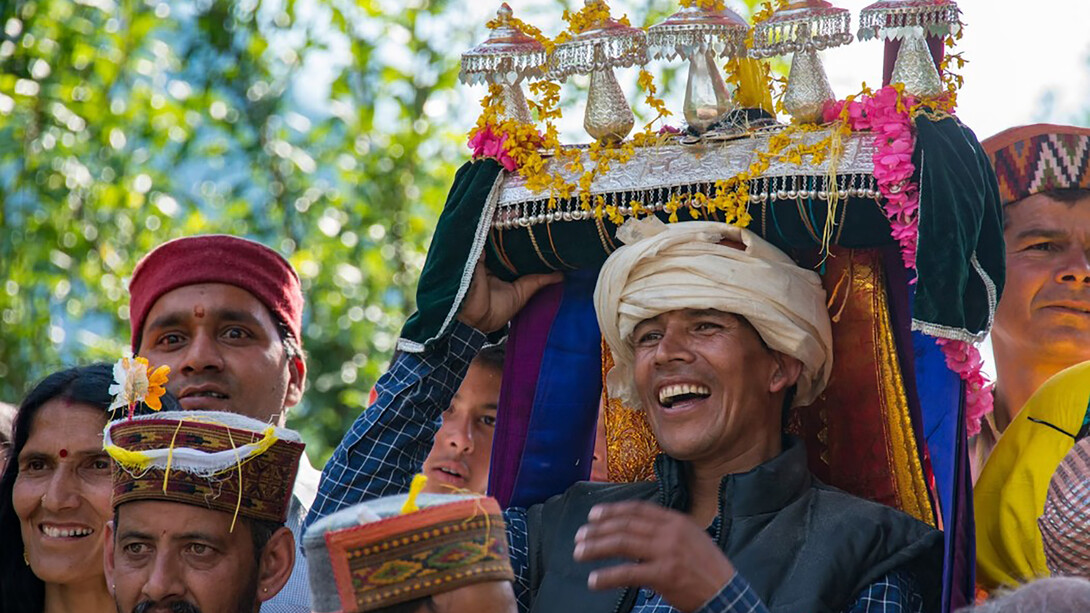
A cornerstone of the unique religious traditions of the Kullu Valley and wider Himachal Pradesh. Here's a deep dive into the world of the devtas (local deities) in this region:
In Himachal, particularly in the Kullu Valley, the devtas are not just idols; they are considered living entities with their personalities, likes, and dislikes. They are believed to actively participate in the lives of their devotees, guiding them, resolving disputes, and blessing them.
Manifestations of divine power: these devtas are often seen as local manifestations of broader Hindu deities (like Shiva, Vishnu, Durga, etc.) or as powerful local spirits and ancient heroes who have been elevated to divine status over time. Each devta has a specific domain, be it a village, a profession, or a natural element.
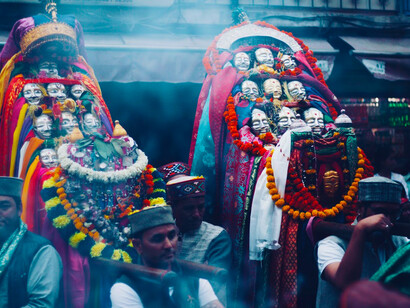
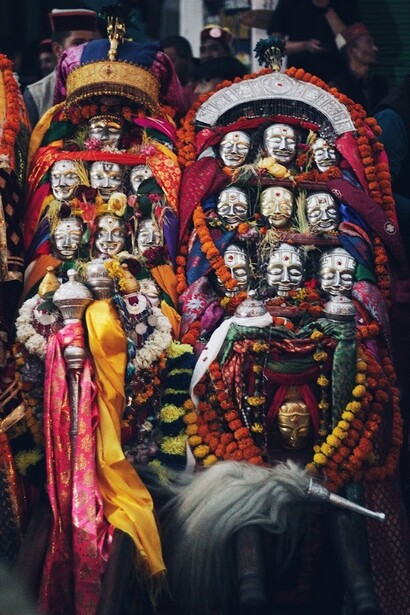
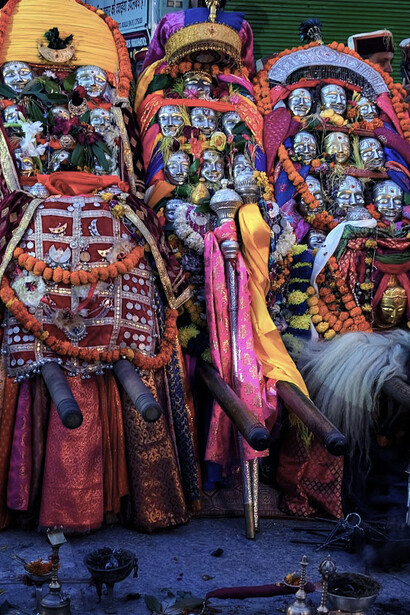
The rath and mohras: the physical representation of a devta during processions and festivals is usually a rath (palanquin or chariot) adorned with vibrant fabrics, flowers, and, most importantly, metallic mohras (faces or masks). These mohras, often made of silver, brass, or a combination of metals, are considered the focal point of the deity's power and presence.
Legends and lore
Tales of origin: the origin stories of these devtas are rich and varied. Some are said to have emerged from natural elements like springs or ancient trees. Others are linked to specific events in local history or mythology. A popular legend in the Kullu Valley speaks of a sage, Jamdagni, who was carrying a basket of eighteen deities that scattered across the valley during a storm, each settling in a different place and becoming a local devta.
Powers and responsibilities: each devta has a defined area of influence and responsibility. Some are known for protecting the village from harm, others for ensuring good harvests, and some for resolving conflicts. Their legends often detail their heroic deeds, their interactions with humans, and the boons or curses they have bestowed.
The Gur (oracle): an essential figure in the devta tradition is the gur, or oracle. This is a person chosen or believed to be divinely inspired, who acts as a medium through which the devta communicates with the community. During festivals and times of need, the gur goes into a trance, and the devta is believed to speak through them, offering guidance, prophecies, and solutions.
Festivals and travel of the devtas
Melas (fairs): the mela you attended is a vital part of the devta culture. These fairs are not just religious gatherings but also social and cultural events where people from different villages come together. The arrival of the devtas in their raths is the highlight, marked by music, dancing, and joyous celebrations.
Traveling deities: the devtas regularly travel from their main temples to attend other melas, visit other deities, or even go on pilgrimages to holy sites. These journeys are often elaborate processions with devotees carrying the rath, accompanied by musical instruments like drums and narsinghas (traditional horns).
The dance of the deities: this is the "eerily enchanting and surreal dance" you witnessed. When the devta is being carried on the shoulders of devotees (often two or four strong men), it is believed that the deity's spirit enters the rath and, through it, influences the movements of the carriers. The wraith begins to sway, circle, and even move vigorously, seemingly on its own.
Coming to life: The devotees carrying the rath are said to be acting as vessels for the devta's energy. The rhythmic music and the fervent devotion of the crowd create an atmosphere where this "divine dance" is believed to manifest. The movements are often unpredictable and require great strength and coordination from the carriers.
The Ghurs' role: the ghurs (oracles) often play a crucial role during this dance. They may interpret the movements of the rath, indicating the devta's pleasure, displeasure, or specific messages for the community. Their ecstatic pronouncements during the dance add to the surreal and spiritual intensity of the event.
Rituals and offerings: during these travels and at the melas, devotees offer prayers, flowers, incense, and sometimes even animal sacrifices (though this practice is becoming less common). The interaction between the devotees and the traveling devtas is a vital aspect of their faith.
The significance
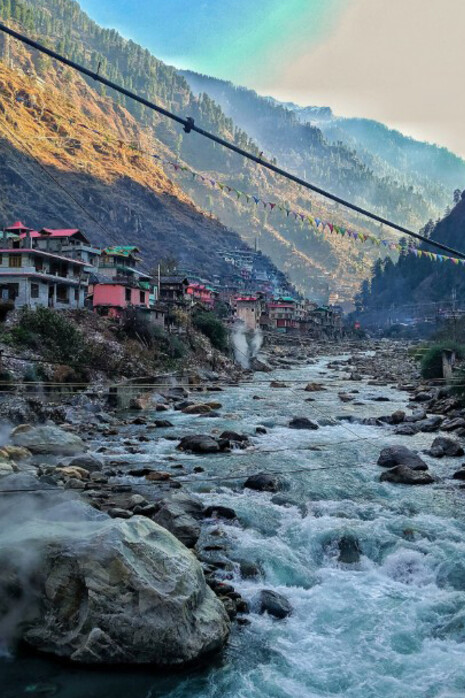
The tradition of the devtas in Himachal Pradesh is a vibrant example of living faith. It highlights a close relationship between the people and their deities, where the divine is not distant but actively involved in their lives. The festivals and the mesmerizing dance of the devtas are powerful expressions of this deep-rooted belief system, connecting generations to their cultural and spiritual heritage. Your experience at the Vashisht Devta's mela offered you a glimpse into this unique and captivating world.
This dynamic relationship between the devtas and the community fosters a strong sense of belonging, identity, and continuity. Younger generations are often initiated into these customs from an early age, ensuring the preservation of oral traditions, ritual knowledge, and spiritual practices. In a rapidly modernizing world, these rituals serve not only as acts of devotion but also as cultural anchors that keep the spirit of the region alive.