English
 Español
 Français
 Deutsch
 Italiano
 Português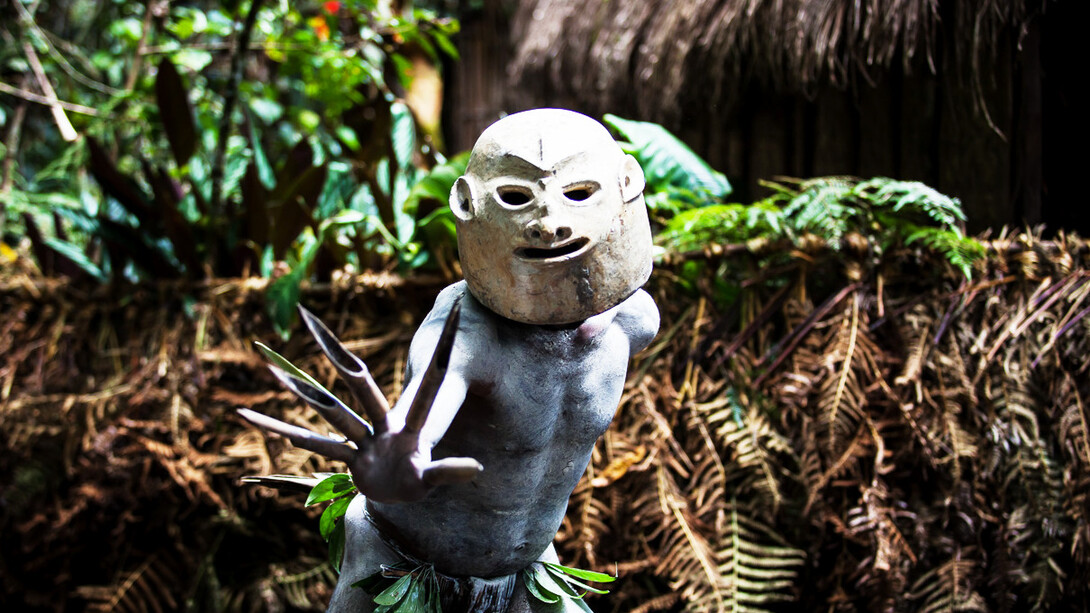
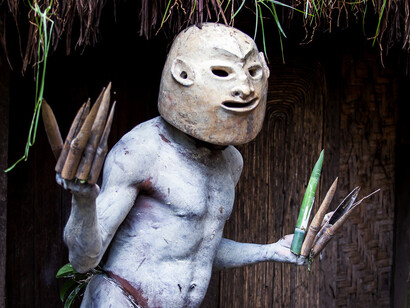
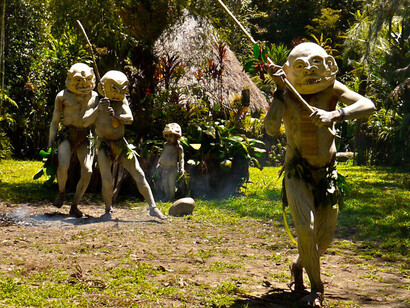
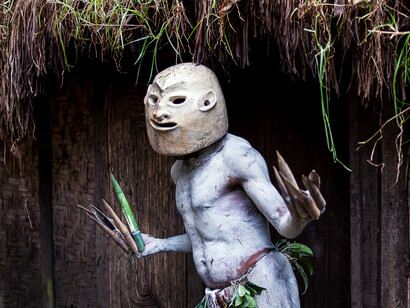
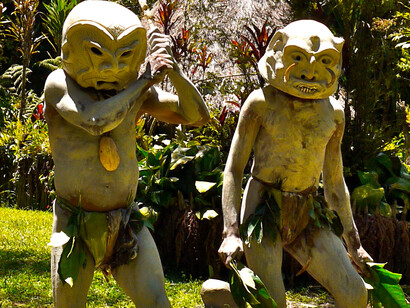
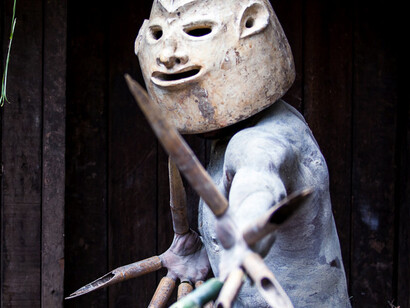
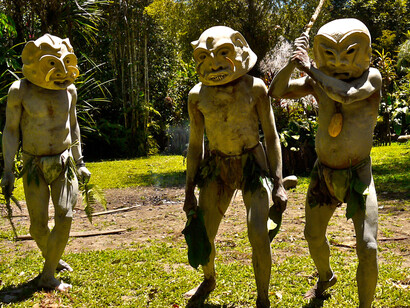
In the mist-covered highlands of Papua New Guinea, the Asaro Mudmen stand apart with their ghostly clay masks, a haunting tradition that echoes through the ages. More than just facial coverings, these masks are steeped in history, mystery, and a profound cultural narrative that extends beyond their immediate visual impact. The origin of the Asaro Mudmen's clay masks is as mystical as the masks themselves. Legend has it that the masks were conceived after a tribe, defeated in battle, escaped to the Asaro River. Covered in mud, they approached a rival tribe whose warriors were terrified by their ghost-like appearances, mistaking them for spirits. The mud-covered men won that battle not by force but by their eerie semblance, giving birth to the mask tradition. This historical anecdote underscores the masks' dual role as a spiritual emblem and tactical warfare tool in the Eastern Highlands' tribal conflicts.
The clay masks of the Asaro Mudmen are not merely artefacts of historical significance; they are vibrant symbols of the tribe's cultural identity and spiritual beliefs. These masks transcend their original use in warfare, embodying a profound connection to the Asaro tribe's ancestry and environment. The masks are believed to embody the spirits of the tribe's ancestors. Wearing these masks during ceremonies and rituals invokes these spirits, providing guidance and protection to the tribe. This practice is rooted in the belief that the ancestors maintain a presence in the tribe's everyday lives, influencing their well-being and decisions.
Each mask design holds specific cultural significance and is meticulously crafted to represent various aspects of Asaro life and beliefs. For example, some masks may feature elongated noses or large, circular eyes, symbols thought to enhance the mask's ability to ward off evil spirits or intimidate other tribes. Others might incorporate motifs inspired by local wildlife, such as birds or reptiles, revered as totems or spiritual guides within the tribe. The mask designs are more than just decorative; they serve as a historical record. They preserve and communicate the myths, legends, and cultural values of the Asaro tribe across generations. Creating and wearing these masks is a way to educate the youth about their heritage, ensuring that the stories and traditions of their ancestors are not forgotten in the modern age.
Beyond their spiritual and historical significance, the masks also critically strengthen community bonds. Mask-making is a communal activity that involves elders passing down knowledge and skills to younger members of the tribe. This process reinforces a sense of identity and continuity, which is crucial for the tribe's cohesion and resilience. Through these masks, the Asaro Mudmen maintain a tangible connection to their past while continuing to define their cultural identity in the present. Each mask is a living expression of the tribe's enduring spirit and a testament to their deep reverence for the forces — both seen and unseen — that shape their world.
The process of making these clay masks is painstaking and steeped in tradition. Local clay, dug from the earth, forms the base of the masks. It is softened with water and moulded by skilled artisans who handly shape the features. The clay is sometimes mixed with pig fat for pliability. After shaping, the masks are left to dry and then painted with natural pigments sourced from charred wood and coloured earth. Feathers, leaves, and even animal teeth are added for decoration and symbolic significance, turning each mask into a unique piece of art.
The clay masks of the Asaro Mudmen are not everyday wear but are reserved for specific occasions, making their appearances all the more dramatic. They are most prominently featured during the tribe's cultural shows, particularly for tourists, and in traditional ceremonies such as initiation rites or the preparation for tribal warfare. During these events, the masks are accompanied by full body paint and costumes that transform the wearers into living embodiments of their ancestors, designed to convey strength and invoke fear in equal measure.
While rooted in tradition, the Asaro Mudmen's masks have found a place in global culture. They have been featured in various international cultural exhibitions, documentaries, and photo essays, bringing the unique tradition to a worldwide audience. However, this exposure has also introduced challenges, such as cultural appropriation and the potential dilution of the masks' sacred significance.
As modernity encroaches on traditional ways of life, the Asaro Mudmen face the challenge of preserving their mask-making tradition. Concerns about the younger generation's waning interest in traditional crafts are compounded by the economic temptations of selling these cultural artefacts. However, efforts are being made to educate and encourage the youth in the tribe to continue this ancient art form. Cultural preservation initiatives, often supported by the Papua New Guinean government and international cultural organisations, aim to sustain and celebrate this unique heritage.
The clay masks of the Asaro Mudmen are a powerful testament to the creativity and resilience of human culture. They encapsulate a rich narrative of fear, mystique, and survival, standing as relics of the past and living symbols of a people's identity and resilience. As we continue to explore and understand such cultural artefacts, we are reminded of how our ancestors understood the world and expressed their beliefs — a universal quest not bound by geography or time.