English
 Español
 Français
 Deutsch
 Italiano
 Português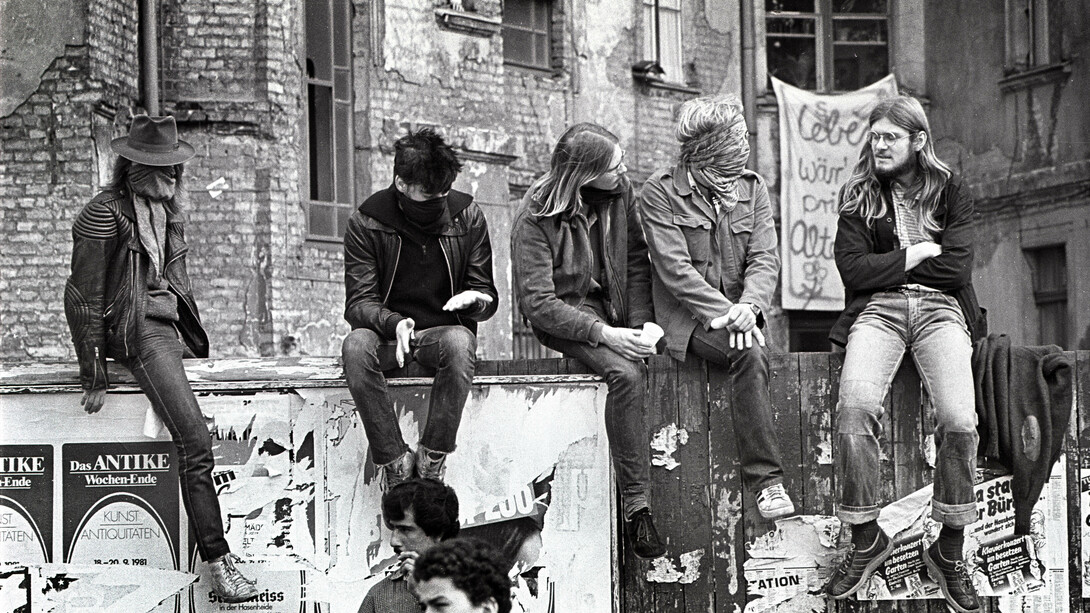
“What brought you to Berlin?” - The famous question every person has encountered at least once during their stay in this city, including myself. Well… what brought us here? What do we know about this place that made us decide, “I’m moving to Berlin”?
To start off, you probably have heard of Berghain, a world-famous techno nightclub known for its intense marathon parties that last for days on end and with notoriously strict door policies that deny entry to those who do not pass the ‘vibe check,’ even celebrities. Along with that, the club embraces an LGBTQ+ and sex-positive atmosphere with dedicated darkrooms as play spaces. But this is not a story about one club; it is about the city entirely.
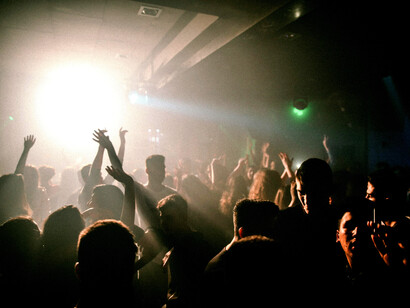
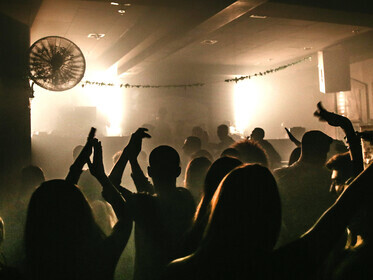
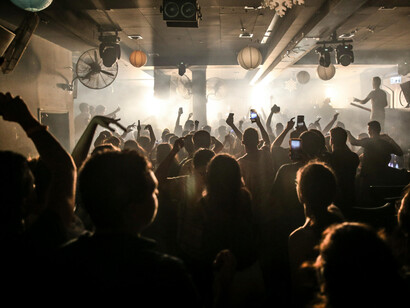
Berlin pulses with countless venues like Berghain, playgrounds where music flows without pause from Thursday night to Monday morning, echoing a thirst for escape. Long known for its reputation as a major center for alternative lifestyles and music scenes, Berlin promotes itself as a place for experiencing vibrant undergrounds. If you are in the mood for hedonism, then this is a city for you.
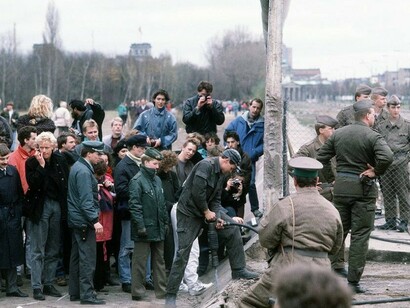
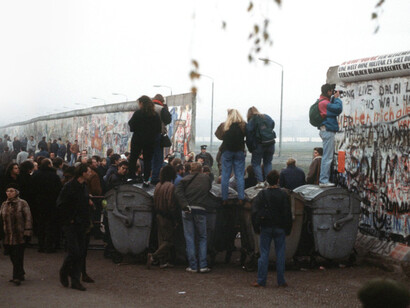
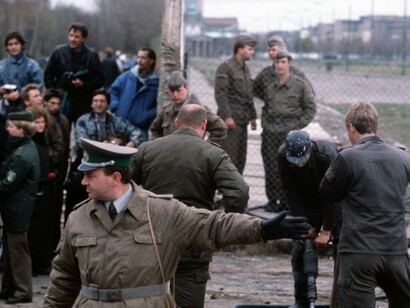
One may ask, what made Berlin what it is today? Let’s start with exploring a little bit of history: the fall of the Berlin Wall in 1989 prompted intense transformation. The collapse of East Germany’s state-controlled infrastructure left behind vast, abandoned spaces. These spaces were later repurposed by squatters, artists, and activists into hubs of minimalistic living, grassroots initiatives, and alternative cultural production1. And so, the 90s fostered a subcultural ethos grounded in autonomy, nonconformity, freedom, and resistance to traditional societal norms2, which became the foundation of the city’s post-wall identity3 until today, and techno was one way of expressing this.
Germany has played a very significant role in the development of EDMCs. The 1989 Berlin Love Parade served as a cultural turning point that helped solidify Germany’s global status in the techno and EDM movements4. To add to that, in 2024, with acknowledgement of the scene's contribution to the city's cultural persona, Germany's culture ministry and UNESCO commission classified Berlin's techno scene as part of the nation's intangible cultural heritage.
Over the last 30 years, Berlin has been known for being one of the most vibrant techno nightlife cities in the world, and its club scene attracts millions of tourists annually. Berlin’s clubs hosted almost 58,000 events per year with more than 70,000 artists in total5, and this is about 17 events per club per month, of which 75% were music and dance events. When examining figures, an estimated 168 million euros of direct revenue can be compared with a staggering 1.48 billion euros for tourism. In 2022, tourists spent over €6.56 billion during trips to Berlin. The city’s reputation as a haven for electronic music enthusiasts and creative subcultures positions the club and creative scenes as the key currencies that make up its cultural production6, making it critical to the local economy.
Berlin has witnessed a rise in what we call ‘techno-tourism,’ with an increasing global flow into the city, making its dance floors international and its bathrooms spaces for sharing goods or lines that blur. The nightlife scene has become a symbol of defiance against societal norms and governmental control since the 90s. With relation to this atmosphere of marathon and festival-like parties, it is no secret that central to this rebellious cultural symbol is the collective experience of euphoria on the dance floor, amplified by the use of nothing other than recreational substances7. One can say Berlin’s nightlife is a countercultural statement that is born from post-reunification chaos and shaped by a rejection of capitalist time.
Speaking of lines that blur, the lines between short-term stay and longer-term migration are often blurred as well, contributing to the city’s international demographics. ‘Techno-tourism’ often intertwines with migration8, where people stay longer and relocate to Berlin after having a great time during their visits.
The city also has benefited from the myth of being ‘poor but sexy,’ coined by Mayor Wowereit in 2003. This popular slogan calls attention to the coexistence of deprivation and creativity, which represents a perceived compromise of a good lifestyle with fewer financial constraints9, an important reason to move to Berlin. Although this slogan is outdated, Berlin is still positioned as a city that remains to be perceived as a more affordable option with the advantage of cultural and economic benefits10, despite gentrification11, at least compared to London.
So, “what brought you to Berlin?” The allure lies in the complex interplay between history, hedonism, and cultural reinvention. What started as a weekend escape turned into a longer-term commitment with a city that thrives on ambiguous lines between tourist and resident, chaos and creativity, and resistance and pleasure. The legacy of post-wall transformation, combined with a globally renowned electronic music scene and a reputation for openness, continues to position Berlin as a magnet for thrill seekers. So when we’re asked, “What brought you to Berlin?” perhaps the more accurate question is, “What keeps us here?”
References
1 Ward, J. (2011). Post-wall Berlin: borders, space, and identity (pp. 279-346). New York: Palgrave Macmillan.
2 Lefebvre, H. (1991). The Production of Space. Oxford: Blackwell.
3 Zitzlsperger, U. (2021). Berlin: Narratives of metropolitan transition and national unity. Journal of Urban Cultural Studies, 8(2), 187-205.
4 Hebdige, D. (2013). Subculture. Routledge.
5 Reynolds, S. (2013). Generation ecstasy: Into the world of techno and rave culture. Routledge.
6 Lücke, M. (2020). Club culture and electronic dance music in Berlin: An economic, social, and aesthetic perspective. The new age of electronic dance music and club culture, 55-62.
7 Moore, K., & Miles, S. (2004). Young people, dance, and the subcultural consumption of drugs. Addiction Research & Theory, 12(6), 507-523.
8 Garcia, L. M. (2016). Techno-tourism and post-industrial neo-romanticism in Berlin’s electronic dance music scenes. Tourist Studies, 16(3), 276-295.
9 Ewert, B. (2016). Poor but sexy? Berlin as a context for social innovation. Social innovations in the urban context, 143-158.
10 Verwiebe, R. (2014). Why do Europeans migrate to Berlin? Social‐structural differences for Italian, British, French, and Polish nationals in the period between 1980 and 2002. International Migration, 52(4), 209-230.
11 Holm, A. (2013). Berlin’s gentrification is mainstream. The Berlin reader. A compendium of urban change and activism, 171-188.