English
 Español
 Français
 Deutsch
 Italiano
 Português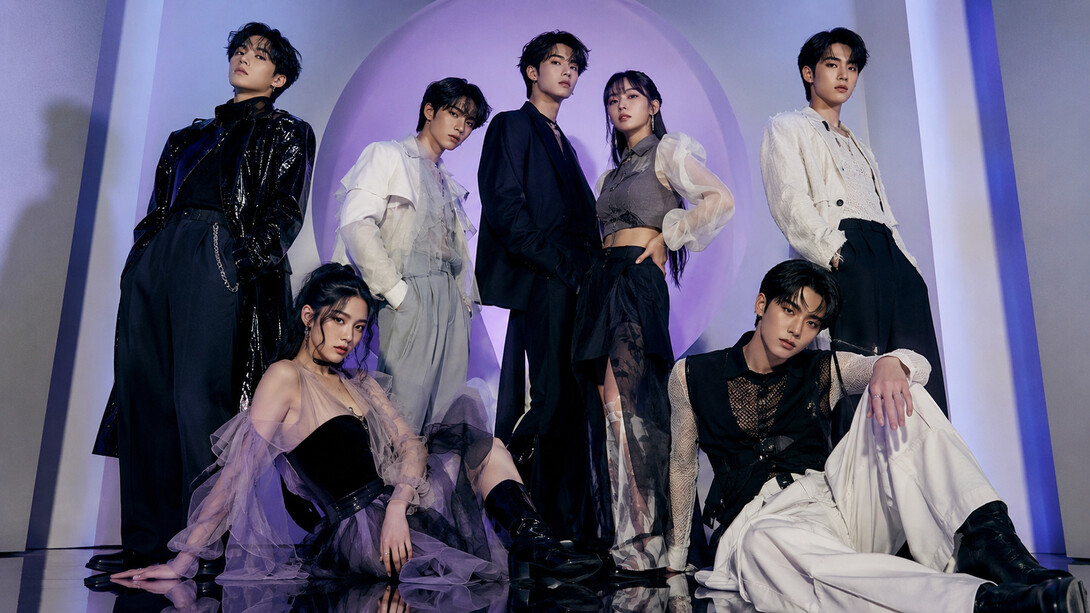
Over the past decade, K-pop has grown from a regional music phenomenon into a global cultural powerhouse. Beyond catchy melodies and highly synchronized performances, one of its most striking features is its deep connection to fashion. K-pop is not just about music it is a visual experience where style plays a central role. From music videos to airport looks, idols have become trendsetters who shape the way millions of fans dress, shop, and express themselves.
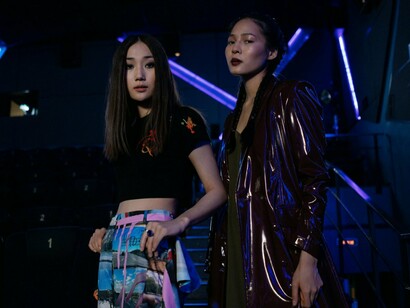
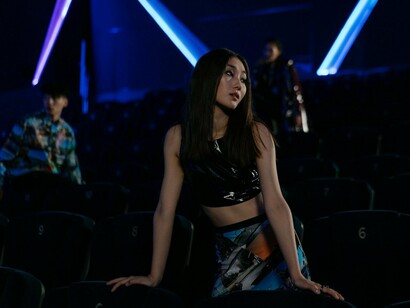
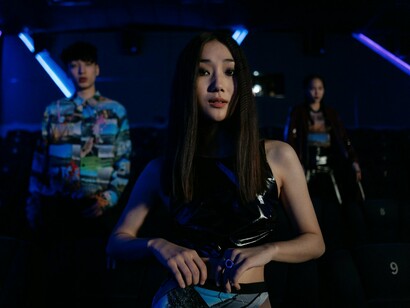
Fashion in K-pop is not an afterthought; it is a carefully constructed element of each group’s identity. Every comeback comes with a new concept, and with it, a new wardrobe that reflects the mood, narrative, and aesthetic of the music. Whether it’s a futuristic cyberpunk theme, a soft romantic concept, or a bold streetwear vibe, clothing helps tell the story. This strong alignment between music and visuals creates a complete artistic universe that fans can immerse themselves in.
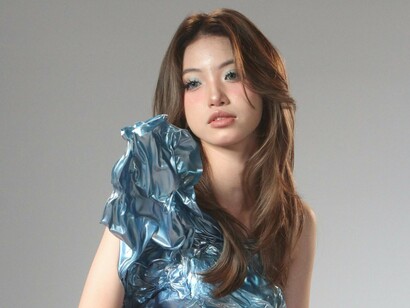
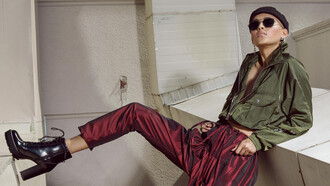
One of the most fascinating aspects of K-pop fashion is its versatility. Idols effortlessly move between styles, mixing luxury fashion with casual streetwear, vintage pieces with avant-garde designs. This fluidity challenges traditional fashion rules and encourages experimentation. Fans are inspired not only by what idols wear but also by how they wear it—with confidence, creativity, and individuality.
Luxury brands quickly recognized the influence of K-pop and began collaborating with idols. These partnerships have redefined the relationship between celebrities and fashion houses. K-pop stars are no longer just ambassadors; they are global icons who bring fresh energy and new audiences to established brands. Their presence at fashion weeks and campaigns has helped bridge the gap between Eastern and Western fashion industries.
At the same time, K-pop has elevated the visibility of Korean designers and local brands. Many idols proudly wear pieces from emerging Korean labels, giving them international exposure. This has contributed to the rise of Seoul as a fashion capital, known for its innovative and bold approach to style. The city’s street fashion scene, often seen on idols outside of official schedules, has become a major source of inspiration worldwide.
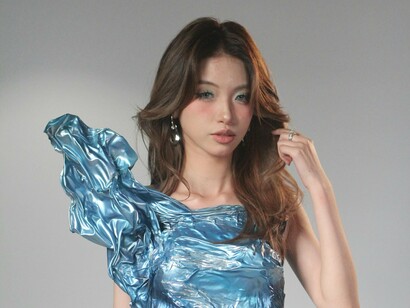
Another key element is the role of styling teams. Behind every iconic look is a group of creative professionals who carefully curate outfits for each performance and appearance. Stylists in K-pop are known for their attention to detail and their ability to create cohesive visual narratives. They experiment with layering, textures, and accessories, often pushing boundaries and setting new trends in the process.
Social media has amplified the impact of K-pop fashion even further. Platforms like Instagram, TikTok, and YouTube allow fans to instantly access and replicate idol looks. Outfit breakdowns, styling tutorials, and fashion analyses have become popular content formats. This digital ecosystem creates a fast-paced cycle where trends emerge, spread, and evolve in real time.
K-pop fashion also plays an important role in identity and self-expression among fans. Many people find confidence in recreating their favorite looks or adapting them to their own style. It becomes a way to connect with the music and the artists on a deeper level. The diversity of concepts in K-pop ensures that there is something for everyone, regardless of personal taste.
Gender fluidity is another powerful aspect of K-pop fashion. Idols often blur traditional gender boundaries through their clothing choices, wearing pieces that challenge conventional norms. This openness has contributed to more inclusive conversations in fashion, encouraging fans to explore styles beyond rigid categories. It reflects a broader cultural shift towards acceptance and individuality.
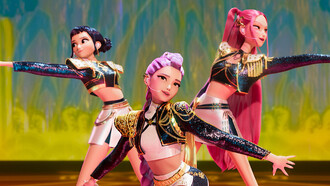
Performance outfits deserve special attention as well. Designed to stand out on stage, these looks combine functionality with visual impact. They must allow for intense choreography while maintaining a strong aesthetic presence. Sequins, bold prints, harnesses, and custom tailoring are commonly used to create memorable stage moments that fans remember long after the performance ends.
Airport fashion, often referred to as “airport looks,” has become another important platform for K-pop style. These candid appearances offer a more personal glimpse into idols’ fashion choices. Unlike stage outfits, airport looks tend to be more relaxed and wearable, making them highly influential for everyday fashion inspiration.
The relationship between K-pop and fashion is also deeply tied to storytelling. Each era of a group’s career is marked by distinct visual themes, and clothing plays a key role in defining those eras. Fans often associate specific outfits with songs, albums, or moments, creating a strong emotional connection between fashion and memory.
Sustainability is gradually becoming part of the conversation as well. As the global fashion industry faces increasing pressure to adopt more responsible practices, some K-pop stylists and brands are exploring more conscious choices. While this is still an evolving area, it reflects a growing awareness among both artists and fans.
Ultimately, the influence of K-pop on fashion goes far beyond trends. It represents a new way of thinking about style as a form of storytelling, identity, and global connection. By blending music, visuals, and culture, K-pop has created a dynamic space where fashion is constantly evolving.
As K-pop continues to expand its reach, its impact on fashion will likely grow even stronger. New collaborations, emerging designers, and innovative styling approaches will keep pushing boundaries. For fans and fashion enthusiasts alike, this intersection of music and style offers endless inspiration.
In a world where visual identity is increasingly important, K-pop stands out as a powerful example of how fashion can enhance artistic expression. It reminds us that what we wear is not just about appearance it is a language, a statement, and a reflection of who we are.