English
 Español
 Français
 Deutsch
 Italiano
 Português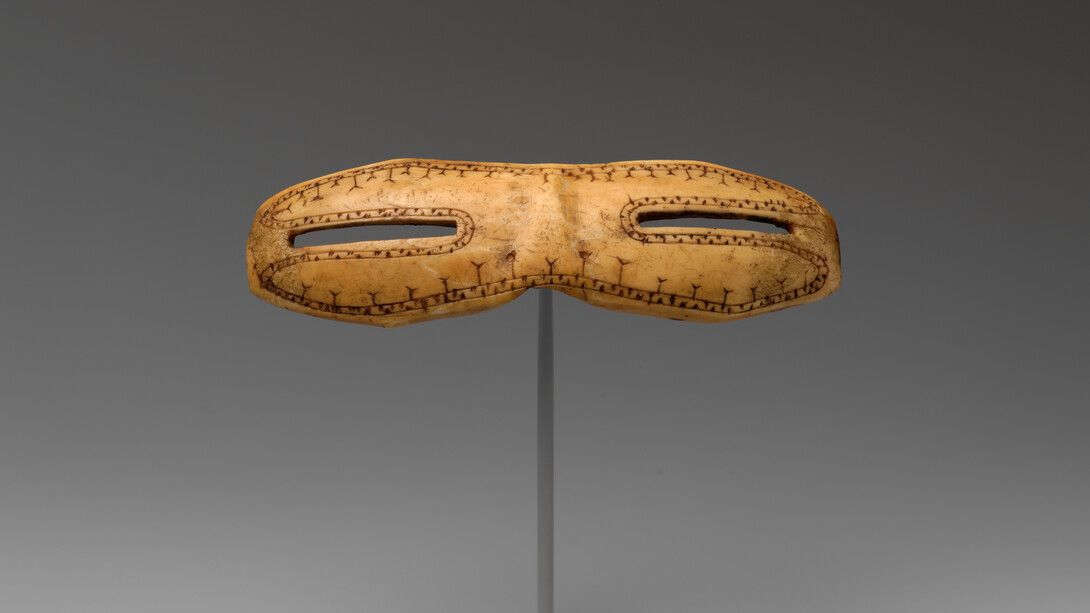
Sunglasses are more than just stylish accessories or tools to block sunlight. Their story stretches across centuries and continents, blending innovation, necessity, fashion, and cultural identity. From primitive protection against glare to high-tech polarized lenses and fashion-forward designs, sunglasses have evolved into indispensable accessories that reflect the spirit and style of each era. Let’s take a closer look at their fascinating journey.
Long before sunglasses became a fashion staple, they served a purely functional purpose. The earliest known use of eye protection against sunlight dates back to the Inuit people in prehistoric Arctic regions. They carved slitted goggles from walrus ivory or caribou antlers to shield their eyes from the blinding glare of the sun reflecting off snow and ice. Though these early "sunglasses" lacked lenses, they were highly effective at preventing snow blindness.
Meanwhile, in 12th-century China, judges used flat pieces of smoky quartz to mask their eyes during court proceedings. These primitive sunglasses didn’t offer vision correction or UV protection but were used to obscure expression, adding both symbolism and function.
By the 18th century, experimentation with tinted lenses began to gain momentum among optical innovators. In 1752, London optician James Ayscough introduced green and blue-tinted lenses into spectacles. Though he believed they could help correct vision impairments rather than protect against sunlight, his experiments laid the foundation for future lens technology.
In the 19th century, tinted lenses began to be used more intentionally for light sensitivity and sun protection. Doctors often prescribed them to patients with medical conditions, which caused extreme sensitivity to light. Sunglasses were still primarily medical tools, but public awareness of their utility was growing.
The true modern history of sunglasses began in the early 20th century, especially during the 1920s and 1930s, when sun protection became crucial for aviators and military personnel.
The U.S. Army Air Corps commissioned Bausch & Lomb to create lenses that could reduce high-altitude glare for pilots. In 1936, they introduced the iconic Ray-Ban Aviator, featuring green-tinted lenses that reduced glare without obscuring vision. This innovation not only addressed a technical challenge but also became one of the most enduring and recognizable sunglass styles in history.
That same decade, entrepreneur Sam Foster began mass-producing sunglasses in the U.S. using celluloid plastic. Sold on Atlantic City beaches under the brand Foster Grant, these were the first affordable sunglasses available to the public, signaling the beginning of their widespread popularity.
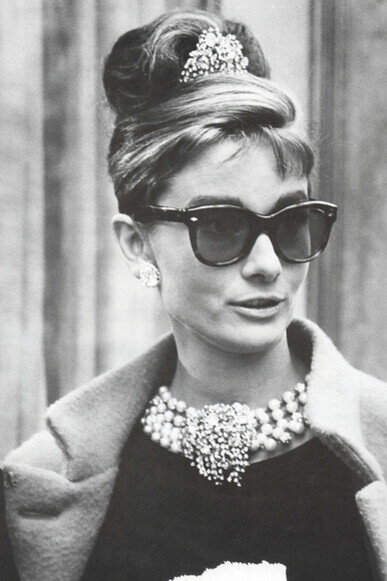
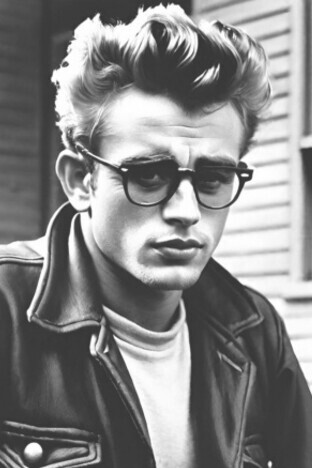
Hollywood soon played a pivotal role in elevating sunglasses from functional to fashionable. Stars like Greta Garbo, Audrey Hepburn, James Dean, and Marilyn Monroe were frequently photographed in sunglasses, lending the accessory an aura of mystery, glamour, and rebellion.
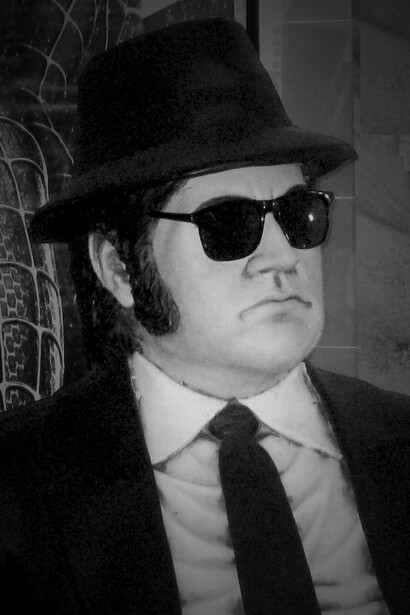
By the 1950s and 1960s, sunglasses were cemented as essential to the "cool" aesthetic—worn by rock stars, movie icons, and countercultural figures alike. Ray-Ban Wayfarers, introduced in 1952, became a cultural phenomenon thanks to their appearances in films like The Blues Brothers (1980) and Risky Business (1983).
From the 1970s onward, sunglasses increasingly became a canvas for luxury and innovation. High-end fashion houses like Versace, Gucci, and Dior entered the market, introducing bold, oversized designs that blurred the line between accessory and fashion statement.
Leading eyewear houses left a lasting mark on this era. Persol, founded in 1917 in Italy, became renowned for its quality and craftsmanship and was famously worn by Steve McQueen. Carrera, established in 1956 for sports use, transitioned into high-fashion eyewear during the 1980s with its distinctive, racing-inspired frames. Oakley, launched in 1975, revolutionized sports eyewear by blending futuristic aesthetics with cutting-edge materials, appealing to athletes, adventurers, and military users.
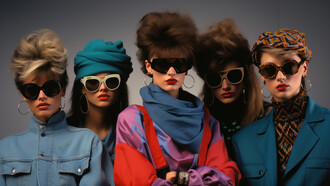
Sunglasses became a powerful tool for self-expression, reflecting bold fashion trends: mirrored lenses, thick plastic frames, exaggerated silhouettes, and prominent logos dominated the landscape.
Alongside stylistic shifts, sunglasses also evolved technologically:
Polarized lenses, introduced commercially by Edwin H. Land (founder of Polaroid) in the 1930s, became widely adopted for sports and outdoor activities.
UV protection standards tightened in the 1980s and 1990s, driven by greater awareness of the health risks of sun exposure.
Photochromic lenses, anti-reflective coatings, and blue-light filtering options emerged, enhancing both protection and comfort.
These innovations made sunglasses as much about health and utility as they were about style.
By the early 2000s, sunglasses were deeply embedded in everyday life and fashion culture. A wave of retro revival swept through the industry, with designers reimagining classic silhouettes like cat-eyes, aviators, and oversized frames. Vintage became vogue once again, often modernized with new materials and lens technologies.
This period also saw a rise in celebrity-driven fashion: musicians, actors, and influencers collaborated with eyewear brands or launched their own lines, reinforcing sunglasses as status symbols and identity markers.
At the same time, consumers began demanding more from brands—not just style, but also sustainability and ethical production. Emerging companies like Parafina and Pala Eyewear responded with eco-conscious practices, using recycled plastics, bamboo, cork, and biodegradable materials. This shift marked a growing desire for fashion that aligned with environmental values.
And now, technology has entered the frame. Collaborations like Ray-Ban Stories (with Meta) and Amazon Echo Frames integrate audio, voice assistants, and cameras, pushing sunglasses into the realm of wearable tech, blurring the lines between fashion, function, and connectivity.
From Inuit snow goggles to smoky quartz lenses, from aviator glare protection to designer runway pieces and smart eyewear, the history of sunglasses reflects the ever-changing human relationship with vision, identity, protection, and style. What began as a shield against nature's elements has become one of the most versatile and culturally loaded accessories in the modern world.
Today, sunglasses are an everyday essential—used not only for eye protection but also to signal personality, style, and status. Their journey mirrors our evolving priorities, blending form and function in ways few other accessories can match.