English
 Español
 Français
 Deutsch
 Italiano
 Português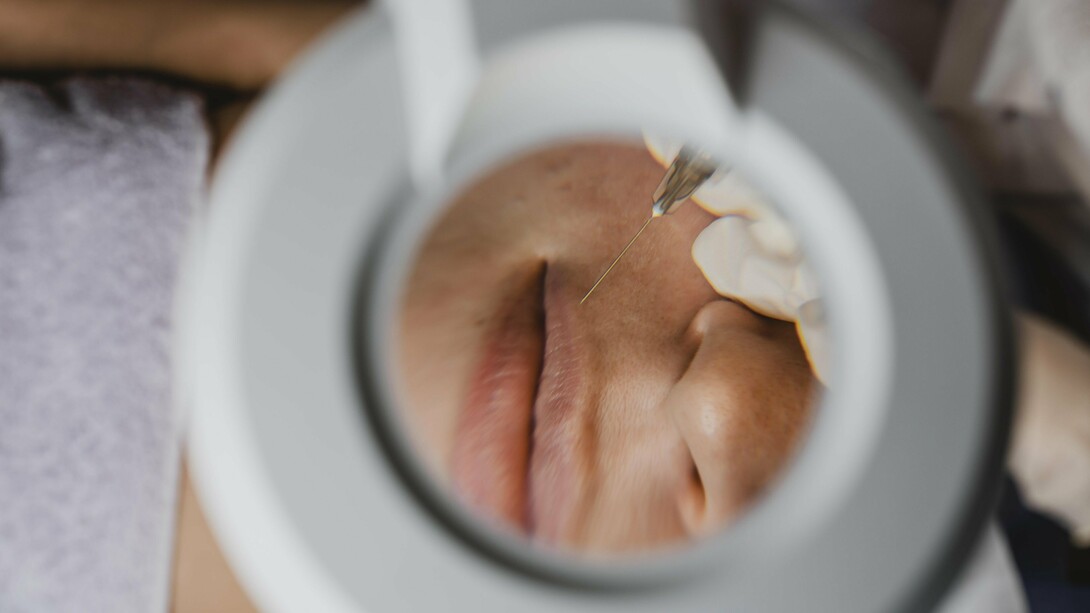
With a myriad of cosmetic treatments now available, it has never been easier to achieve a desired look. With the growth and advancements of non-surgical cosmetic treatments, there is no need to go under the knife to beautifully shape, contour, and rejuvenate the face and figure. Non-invasive aesthetic treatments have transformed the cosmetic industry by providing safe, affordable, and effective solutions for anyone looking to improve their appearance. Statistics indicate that people searching for new methods of enhancing their bodies caused minimally invasive cosmetic procedures to rise nearly 200% since 2000 (ISAPS, 2011).
Given the increasing prevalence and acceptance, non-invasive procedures continue to experience growth among people aged 29 to 30, and women comprise 92% of all cosmetic procedure recipients (ASPS, 2009). These procedures, which require little to no recovery time and carry minimal risk of complications, appeal to a broad demographic, from individuals in their twenties to older patients seeking subtle anti-aging solutions. The development of new devices and techniques has expanded the range of non-invasive treatments available, which can address a variety of concerns, including wrinkles, volume loss, pigmentation, scarring, and body contouring. Popular non-surgical procedures include, but are not limited to, injectables (Botox and dermal fillers), laser therapies, chemical peels, and non-surgical body contouring techniques. Ultimately, non-invasive cosmetic procedures represent a significant advancement in the quest for beauty and self-acceptance, making them a valuable option in the modern aesthetic landscape.
Non-invasive cosmetic procedures offer a transformative approach to personal aesthetics by providing individuals with accessible, safe, and effective options to enhance their appearance without the risks and recovery associated with traditional surgeries, ultimately promoting self-esteem, empowering individual choice, and fostering a culture of body positivity. In this article, the benefits of non-invasive surgical procedures will be examined.
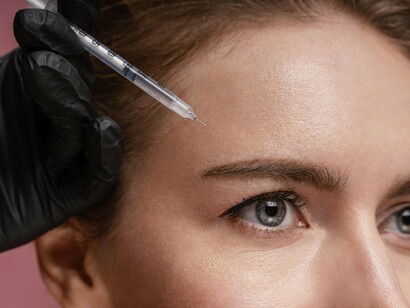
Many individuals lead busy lives, balancing careers, family commitments, and social obligations. With any surgical procedure, time is needed for recovery, which can range from weeks to months. Unlike traditional surgical options, which often require extensive planning, significant financial investment, and sometimes lengthy waiting periods, non-invasive treatments are more readily available. A patient can resume their normal activities immediately after undergoing a non-invasive procedure or within a few days. This minimal downtime is a key factor driving the popularity of non-invasive treatments, particularly among individuals with busy lifestyles or those who are hesitant to take time off work for cosmetic reasons. For instance, after getting Botox or dermal fillers, most patients can resume their normal activities almost immediately, with only minor side effects such as swelling or bruising that typically resolve within a few days.
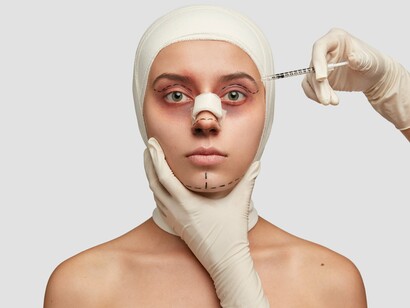
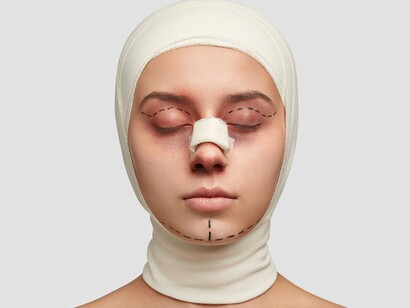
Hematoma and bruising, seroma formation, nerve damage causing sensory or motor loss, infection, scarring, blood loss, and complications of anaesthesia are just a few examples of complications that can occur in any surgical intervention, such as facelift or liposuction. More serious complications, such as deep vein thrombosis and pulmonary embolism, can occur, leading to the patient’s death. One cannot dispute the fact that with any medical procedure, there will be complications; when comparing with non-invasive cosmetic treatments, they carry a significantly lower risk.
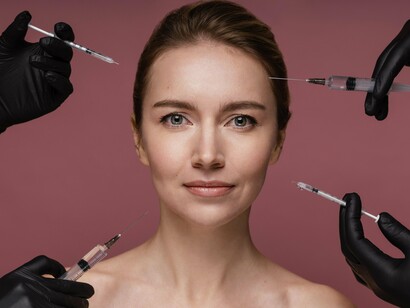
Non-invasive options are deemed safer for patients, particularly those who have underlying health concerns or who are hesitant to undergo surgery. In contrast, non-invasive procedures are performed without incisions and do not require anaesthesia, reducing the risk of complications. Side effects are typically mild and temporary, such as bruising and swelling. There is no need for general anaesthesia, and the likelihood of complications such as infections or scarring is significantly reduced. Additionally, many non-invasive procedures are performed by licensed professionals who are trained to handle potential complications, further enhancing the safety of these treatments.
According to the American Society of Plastic Surgeons (ASPS), nearly all invasive surgical procedures in the US cost well over $3,000. However, it is possible to enjoy non-invasive treatments at a fraction of that cost, even for $500 or less, which makes them increasingly popular options. “Single-area botulinum toxin injections, chemical peels, some eyelid tightening, and skincare are typically the most inexpensive procedures available on the market today,” - Wendy W. Lee, MD, Associate Professor of Clinical Ophthalmology and Dermatology at the Oculofacial Plastic and Reconstructive Surgery Practice in Miami.
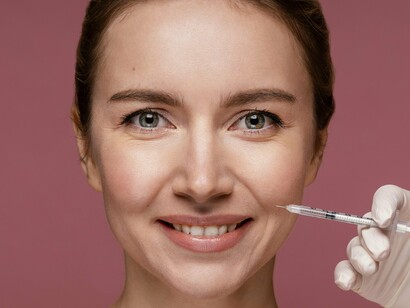
Surgical procedures are more costly as consideration must be given for factors such as anaesthesia, surgeon experience, and facility fees. Many dermatology and cosmetic clinics offer these procedures with varying price points, making them an attractive option for a broader demographic. While the effects of treatments like Botox or fillers may be temporary, requiring maintenance, they offer a lower upfront cost compared to facelift or liposuction, which makes aesthetic enhancements more accessible to a wider population.
Attractiveness and self-perception influence the way people behave and certain traits such as self-confidence and social acceptance (Sadick, 2008). The benefits of non-invasive cosmetic procedures extend beyond physical enhancements. Feeling good about one’s appearance leads to increased confidence in social situations, professional environments, and personal relationships, with individuals reporting significant improvements in their self-esteem and overall well-being.
Non-invasive procedures empower individuals to present themselves in a way that aligns with their self-image, fostering a positive self-perception and a greater sense of control over their appearance. Non-invasive procedures allow for personalization and customization based on the patient’s goals, addressing a variety of aesthetic concerns across different areas of the body. For example, Botox can reduce wrinkles in the face; chemical peels and lasers can improve skin texture and pigmentation on the face, neck, and hands, and body contouring techniques can target localized fat in the abdomen, thighs, or arms. This flexibility makes non-invasive treatments highly versatile and tailored to individual patient needs.
Another significant advantage of non-invasive cosmetic procedures is the ability to achieve natural-looking results. Many non-invasive treatments are ideal for individuals seeking subtle, gradual improvements. With advancements in technology and techniques, many non-invasive treatments are designed to enhance rather than alter a person’s appearance dramatically. This subtlety allows individuals to look refreshed and rejuvenated while maintaining their unique features.
The emphasis on natural results is particularly appealing in today’s aesthetic landscape, where the goal is often to enhance one's beauty rather than create an entirely different look. Dermal fillers can restore volume and smooth out wrinkles without the drastic, over-tightened appearance that sometimes results from a facelift, while laser treatments can improve skin texture and tone without the telltale signs of surgery. This subtlety allows individuals to look refreshed and rejuvenated while maintaining their unique features.
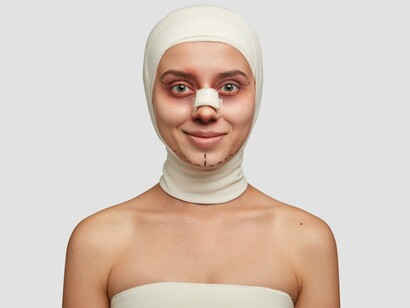
The non-permanence of non-surgical procedures makes them more appealing for patients who would like to “test-drive” a new look before committing more firmly to it. Even after years of continued non-surgical procedures, changes can still be reversed. Surgery permanently alters one’s look, affecting facial structure, potentially causing the dreaded “fake” appearance. Alternatively, non-invasive methods work by altering the body’s biology, focusing on replenishing natural substances already in abundance in the body during youth. This appeals to patients who want to enhance their appearance without it being obvious that they’ve undergone cosmetic procedures.
Its continued popularity makes non-invasive cosmetic procedures the choice for individuals interested in enhancing their appearance without the stress and risks associated with surgery. It has become a cornerstone in modern aesthetic medicine, providing solutions for those seeking aesthetic enhancements with reduced risks, minimal recovery time, and often with lower costs when compared to traditional surgical procedures. This shift is attributed to advancements in technology, a growing desire for subtle enhancements, and an increased awareness of the risks associated with surgery. With the right approach, these treatments can provide excellent results with minimal downtime. While they do have limitations, such as the need for regular maintenance and less dramatic results compared to surgical options, the benefits far outweigh the drawbacks for many individuals. As the demand for non-invasive options continues to grow, it is essential to approach these treatments with informed decision-making and professional guidance to ensure optimal results and safety.