English
 Español
 Français
 Deutsch
 Italiano
 Português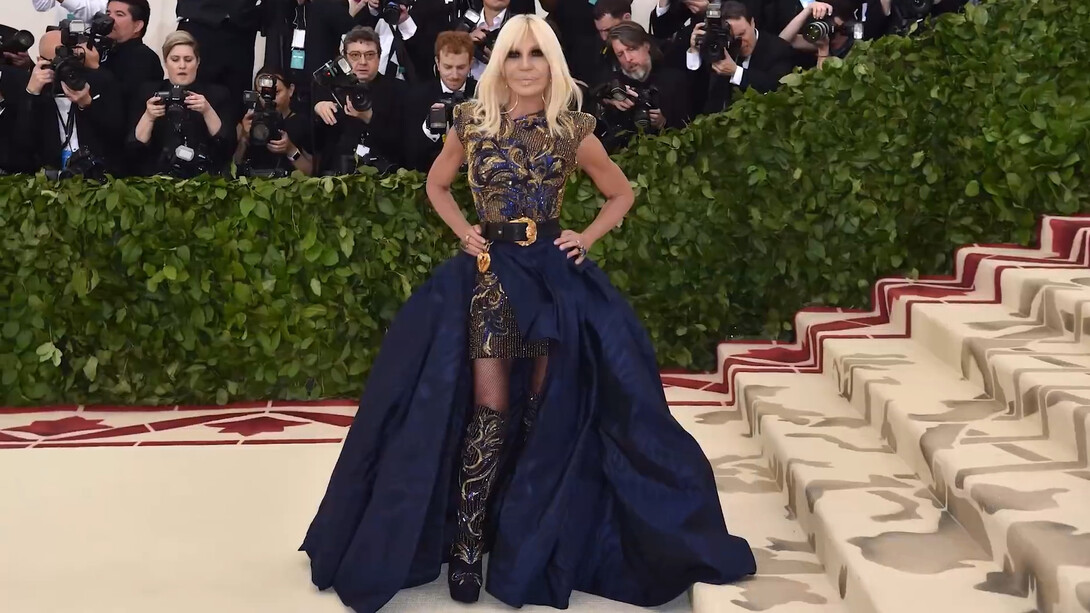
Few names in fashion carry the same weight and recognition as Donatella Versace. Known for her platinum blonde hair, bold aesthetic, and unapologetic vision, she has become one of the most influential figures in the industry. More than just a designer, Donatella represents resilience, reinvention, and the ability to transform personal and professional challenges into creative strength. Her presence transcends fashion, positioning her as a cultural icon whose influence extends into music, celebrity culture, and global media.
Donatella’s journey in fashion is deeply connected to her brother, Gianni Versace, the founder of the iconic Versace. While Gianni was the visionary who built the brand’s identity, Donatella played a crucial role behind the scenes, contributing to styling, branding, and creative direction. She was not simply assisting—she was shaping the visual language of the house. Their collaboration was rooted in trust and creative dialogue, resulting in a bold aesthetic that challenged traditional ideas of luxury.
In the early years, Donatella was often described as Gianni’s muse, but this label only captures a fraction of her influence. She understood the power of image and communication, helping to build the Versace woman as a symbol of strength and
sensuality. Her instinct for what felt modern and provocative helped define the brand’s DNA, even before she officially took the lead. This foundation would later become essential when she stepped into a more visible role.
After the tragic loss of Gianni in 1997, Donatella assumed the position of creative director during one of the most difficult moments in fashion history. The pressure was immense, and the expectations were even greater. Many questioned whether she could preserve the legacy of such a powerful brand. Instead of retreating, she embraced the challenge, choosing not to replicate the past but to reinterpret it through her own perspective.
Her early collections were closely watched, often compared to Gianni’s work. Over time, however, Donatella established her own voice—one that was sharper, more contemporary, and deeply connected to the evolving cultural landscape. She maintained the essence of Versace while introducing a new sense of modern glamour. This ability to balance heritage with innovation became one of her defining strengths.
Donatella’s approach to fashion is rooted in confidence and visibility. She designs for people who want to be seen, who are not afraid to express themselves boldly. Her signature style includes body-conscious silhouettes, daring cuts, bold prints, and metallic finishes. Under her leadership, Versace became synonymous with power dressing in its most glamorous form. Her work challenges the idea that elegance must be understated, proving that boldness can also be sophisticated.
One of her most significant contributions has been her ability to merge fashion with pop culture. Donatella understood early on that celebrities could amplify the impact of a brand. She built strong relationships with artists and performers, transforming red carpet moments into global fashion statements. Her designs are not confined to runways—they live in music videos, award shows, and social media feeds.
A defining moment in her career came with the unforgettable green dress worn by Jennifer Lopez at the Grammy Awards in 2000. The dress became an instant cultural phenomenon, widely shared and discussed across the world. It was so impactful that it even contributed to the creation of new ways of searching images online. This moment demonstrated Donatella’s understanding of fashion as a powerful visual tool capable of shaping digital culture.
Beyond celebrity collaborations, Donatella has consistently supported emerging talent and new ideas. She has opened the doors of Versace to younger designers and creatives, fostering a sense of collaboration within the industry. This openness has helped keep the brand fresh and relevant, allowing it to evolve with each generation.
Another important aspect of her work is her commitment to redefining femininity. The Versace woman under Donatella is strong, independent, and unapologetically sensual. She is not defined by traditional expectations but by her own sense of identity. This perspective has resonated with audiences worldwide, making Versace a symbol of empowerment.
Donatella has also embraced change in the digital era. As fashion became increasingly influenced by technology and social media, she adapted quickly. Versace campaigns and shows became more accessible, reaching global audiences in real time. This shift allowed the brand to maintain its relevance in a fast-paced, digitally driven world.
Her runway shows are known for their theatrical energy and emotional impact. Donatella understands that fashion is not just about clothing—it is about experience. Music, casting, and staging all play a role in creating a powerful narrative. Each show becomes a moment that captures attention and reinforces the brand’s identity.
In recent years, Donatella has also engaged in collaborations that bridge the gap between luxury and streetwear. These partnerships reflect a broader shift in fashion, where boundaries between different styles are increasingly blurred. By embracing this movement, she has ensured that Versace continues to speak to a diverse and evolving audience.
Sustainability has also entered the conversation under her leadership. While Versace is known for its opulence, Donatella has acknowledged the importance of responsible practices within the industry. Efforts to move away from certain materials and adopt more conscious approaches reflect a growing awareness of fashion’s environmental impact.
Despite decades in the industry, Donatella remains a dynamic and influential force. She continues to evolve, responding to cultural shifts while maintaining a strong sense of identity. Her ability to stay relevant without losing authenticity is a testament to her vision and determination.
Her personal journey has also contributed to her public image. Donatella has spoken openly about her challenges and growth, showing a level of honesty that is rare in the fashion world. This transparency has made her more relatable, strengthening her connection with audiences.
Today, Donatella Versace stands as a symbol of strength, creativity, and transformation. She has successfully carried forward the legacy of Versace while redefining it for a new era. Her work continues to inspire designers, artists, and fashion lovers around the world.
In the end, Donatella’s impact goes far beyond clothing. She has redefined glamour as a form of empowerment, proving that fashion can be both expressive and powerful. Through her vision, style becomes more than aesthetics—it becomes a statement of identity, confidence, and fearless individuality.