English
 Español
 Français
 Deutsch
 Italiano
 Português
Humor has always been a fundamental part of human nature. It is one of the oldest and most universal ways we express ourselves. It's no surprise, then, that having a "good sense of humor" is still seen as one of the most attractive and positive traits in a person today.
Throughout history, from ancient literature and live theater to casual conversations, comedy has taken many forms. Sometimes it is used simply to make us laugh; other times, it is a powerful tool for challenging ideas, questioning authority, or shedding light on the absurdities of life.
In this article, we will explore the evolution of comedy across modern television and cinema, tracing its highs and lows over the past century. From slapstick to satire, and from golden ages to moments of decline, comedy has both reflected and shaped the times we live in.
Early cinema (1900s–1950s): the silent comedy era
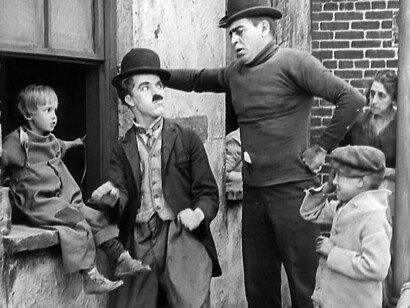
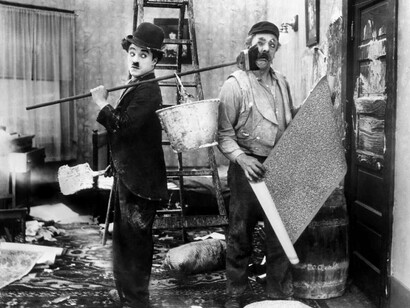
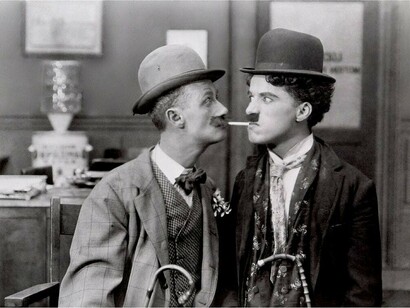
With the invention of motion picture technology in the late 19th century, comedy was among the first genres to gain widespread popularity. Its silent, visual format made it universally understandable, requiring no dialogue or music to be effective. This mime-based storytelling reached its peak in the early 20th century, led by iconic figures like Charlie Chaplin, Harold Lloyd, and Buster Keaton.
These performers relied on physical exaggeration, facial expressions, and precise slapstick timing to entertain. Their silent films conveyed emotion and narrative with astonishing clarity, appealing to audiences across cultures and languages.
However, by the 1940s, cinema had begun shifting toward sound. As synchronized dialogue became the norm, many early comedic styles started to feel dated. While some, like Laurel and Hardy, successfully transitioned into the new era, others faded as audiences moved toward more dialogue-driven humor. Still, this era laid the groundwork for what would come next—comedy infused with voice, character development, and timing.
Nonetheless, this transitional period laid the foundation for the next evolution of comedic storytelling, where voice, timing, and character development would play increasingly important roles.
The golden age of TV comedy (1960s–1990s)
As television entered homes across the globe in the mid-20th century, the sitcom became the dominant format for comedic storytelling. Shows like I Love Lucy helped shape the sitcom structure we still see today.
A defining feature of this period was the laugh track—popularized by Charles Douglas—which simulated audience laughter. Originally used to enhance the comedic experience when live audiences didn’t respond as expected, laugh tracks became a standard tool in sitcom production. While it conditioned viewers to laugh at specific moments, it also created a formulaic rhythm that some would later criticize for feeling artificial.
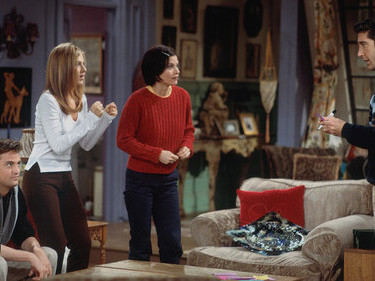
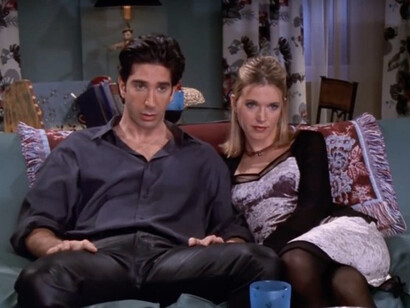
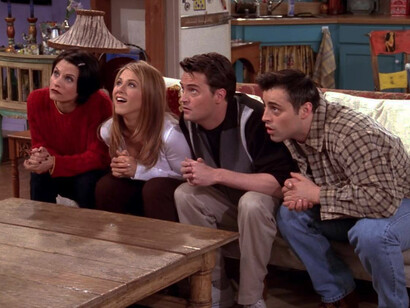
Still, many iconic shows thrived using this format: Friends, The Big Bang Theory, Cheers, The Fresh Prince of Bel-Air, and Family Matters, to name a few. Despite its limitations, the laugh track era left a lasting cultural imprint.
Meanwhile, comedy in film took a different path. Rather than relying on structured studio setups or artificial audience responses, films began to explore more dynamic forms of humor. There was a revival of classic slapstick, but with a modern twist, often grounded in vocal expression and exaggerated character work. One of the most iconic figures to emerge from this new wave was Jim Carrey, whose physical comedy, expressive performances, and vocal range revitalized slapstick for a new generation.
At the same time, another subgenre began to gain traction: parody comedy. Though initially flying under the radar, these films became cult favorites and later mainstream successes. One of the most notable examples is The Naked Gun series, which exemplified the absurd, over-the-top humor characteristic of parody films. These comedies poked fun at popular genres and tropes, offering a self-aware and often ridiculous take on traditional storytelling.
The mockumentary era (2000–2015)
The early 2000s brought a new wave of television comedy, marked by a departure from laugh tracks and staged performances. Shows like The Office, Parks and Recreation, and Modern Family embraced a more honest, stripped-down, mockumentary style.
This format relied on direct-to-camera confessions, awkward silences, and subtle, situational humor. It was a response to the oversaturation of traditional sitcoms and offered something fresh: comedy that felt more real and less rehearsed. Audiences initially welcomed this shift with enthusiasm.
However, despite its popularity, the mockumentary format eventually began to lose its edge. Over time, its unique quirks—like breaking the fourth wall or dry, deadpan delivery—became expected, and the novelty wore off. While some shows like Young Sheldon continue to use elements of this style, the format no longer dominates the landscape.
In film, the early 2000s continued trends from the previous decades. Rom-coms, parody movies, and genre mash-ups were abundant. While many of these films were successful, the repetition of formulas and predictability of their structure eventually led to declining interest. By the mid-2010s, audiences began craving something new.
Recent trends (2016–2025): a creative stagnation
This era shows a noticeable lull in the evolution of comedy, with few major innovations in stylized form. A combination of factors, ranging from creative fatigue to shifting cultural and political sensitivities, increased emphasis on diversity, and an overall lack of clear direction, has contributed to a substantial decline in both comedic films and television shows.
In the past decade, one of the few comedic styles to gain traction has been dark comedy. This genre often explores humor through a more cynical and uncomfortable lens, where the protagonist faces a series of tragic, awkward, or even disturbing events. These narratives are typically layered with irony, existential undertones, and satire, often blurring the line between drama and comedy.
In many cases, the characters in dark comedies are intentionally left unresolved or emotionally stunted, reflecting a more complex and sometimes bleak view of the human experience. While this form of humor has resonated with a more niche or critically minded audience, it hasn't yet managed to redefine mainstream comedy in the way previous styles once did.
Conclusion
Comedy has remained one of the most enduring and loved genres across film and television—and that isn’t likely to change. Over the past century, it has served as both a mirror and a critique of society, adapting to the times while offering joy, relief, and reflection.
Yet today, the genre stands at a crossroads. With traditional forms feeling worn out and newer approaches still finding their footing, comedy appears to be in a moment of transition. Much of the current output feels safe, uninspired, or lacking the originality that once defined the genre.
Still, if history is any guide, comedy is far from finished. Its remarkable ability to reinvent itself in response to cultural shifts suggests that a new comedic renaissance may be just ahead, one that speaks to the unique challenges and absurdities of our time in a voice that's fresh, fearless, and funny.