English
 Español
 Français
 Deutsch
 Italiano
 Português
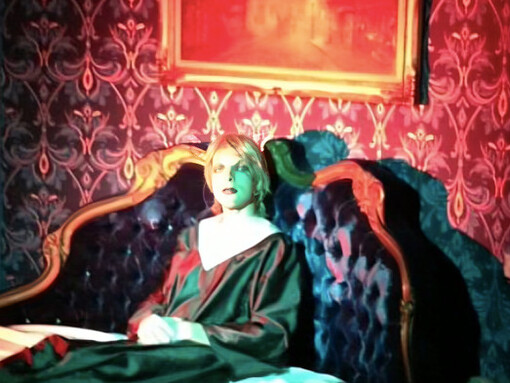
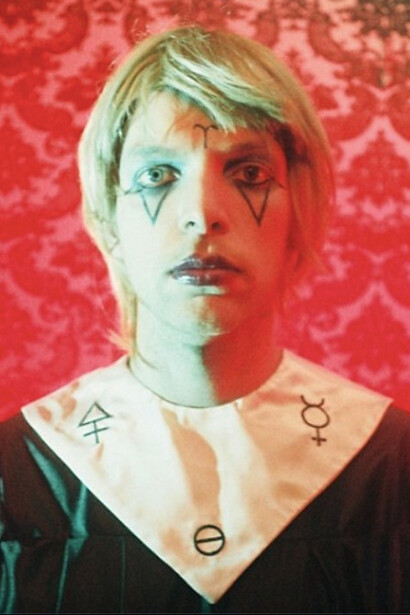
Haunting, eerie, dreamy, and full of emotions, this is Drab Majesty. This musical project of Deb Demure (Andrew Clinco), later joined by Mona D (Alex Nicolaou), crafts a sound that is equal parts nostalgic and otherworldly. To me, their music is genre-defying and has various inspirations from post-punk and darkwave, to dream pop. Their layering reverb guitars and hypnotic vocals create something that feels suspended in time.
The Demonstration is perhaps their most haunting album, not only for its subject matter but also for how fully it commits to capturing the allure and consequences of total devotion. Ethereal yet chilling, it transports the listener into a dreamlike space, reflecting the unsettling beauty of absolute belief. Released in 2017, the album is heavily inspired by the Heaven’s Gate cult, whose members took their own lives in 1997 under the conviction that they were shedding their earthly forms to ascend to a higher plane. Rather than presenting their story as a historical tragedy, The Demonstration immerses us in the emotional and psychological journey of those who surrender to something larger than themselves—whether out of hope, desperation, or both.
The album unfolds like a slow, deliberate descent into faith, mirroring the stages of indoctrination, transformation, and ultimate surrender. The music itself follows this trajectory, moving from shimmering and expansive to hollow and ghostlike. Through its careful sequencing and deeply atmospheric sound, The Demonstration pulls the listener into the mindset of those who believed they were leaving this world for something greater.
Track 1: Induction
The album opens with 'Induction', a brief instrumental piece that serves as an initiation, much like Heaven’s Gate’s recruitment process. The droning synths create the sensation of stepping into a doctrine, of leaving behind skepticism and preparing to embrace a higher truth. The track’s hypnotic feel reflects the way cults often pull in followers: not through force, but through a seductive sense of belonging and enlightenment. The music at the end of this track is the start of the second one.
Track 2: Dot in the Sky
Now that members underwent the induction and joined the cult, this track explores one of the core beliefs of Heaven’s Gate: that salvation would come from extraterrestrial beings. The dot in the sky represents the Hale-Bopp comet, which cult members saw as their passage to the next level of existence. The lyrics seem to reflect the point of view of the believers who are experiencing a moment of revelation where they see proof of a greater reality beyond human life. They know that their families are worried, they know that they are walking down an unconventional path, they know that they must leave life behind, but it is all worth it for the dot in the sky.
Track 3: 39 by Design
A direct reference to the 39 members of Heaven’s Gate who took their lives, '39 by Design' delves into the mindset of absolute devotion. The song portrays belief as both beautiful and terrifying: beautiful because it gives hope for a more meaningful existence; terrifying because the price for this new life is to face death without doubts or fear. The lyrics evoke imagery of ascension, and it mimics the language used by cult leaders to convince their followers. With its eerie sounds and dreamy music, the song explores the strength of the belief systems adapted by the leader and his followers without trying to judge or condemn them for thinking that death is necessary for ascension.
Track 4: Not Just a Name
As faith deepens, individuality dissolves. 'Not Just a Name' reflects the loss of personal identity that comes with cult indoctrination. Heaven’s Gate members renounced their former selves, adopting new names and uniform appearances as they prepared to shed their Earthly ties. The lyrics suggest a struggle between selfhood and submission, questioning whether identity is something that can—or should—be preserved. The instrumentation is cold and distant, with robotic, detached vocals that make it seem as though the narrator has already become something less than human.
Track 5: Hath No Form
By this point in the album’s journey, the transformation is almost complete. 'Hath No Form' is a rejection of physical existence in favour of something purer and immaterial. The slow, hypnotic instrumentation mirrors the feeling of dissolution, as if the listener is being pulled further into the void. Heaven’s Gate saw the body as a mere vessel temporarily and disposable. The song’s title suggests the final stage of devotion, where personal identity is fully erased. The distant, ghostly vocals add to the sensation of weightlessness, as though the narrator has already begun to leave this world behind.
Track 6: Too Soon to Tell
While 'Hath No Form' embraced transformation, 'Too Soon to Tell' introduces doubt. The song carries an air of hesitation, as if questioning whether this path is truly the right one. The cult’s ideology promised certainty, but the reality of committing to such a final act was likely filled with moments of fear. The lyrics are ambiguous, expressing both faith and uncertainty, while the melancholic melody reflects a longing for something that may never come. The phrase “too soon to tell” reflects that, even in the moment of decision, the future remains unknown. It is an illustration of the last moments of doubt before the irreversible step is taken.
Track 7: Cold Souls
Here, the descent accelerates. 'Cold Souls' represents the emotional detachment required to follow through with the ultimate act of devotion. At this point, the Heaven’s Gate members methodically prepared for their deaths by dressing identically, leaving behind farewell videos, and drinking the poison that would end their lives. Now that the members are dead, the lyrics evoke an overwhelming numbness and reflect lifelessness. The icy synths and mechanical drumbeat create a lifeless, almost sterile atmosphere yet dreamy and happy. It sort of implies that the cult members did not regret their decision and that they are waiting for ascension.
Track 8: A Spire Points at the Heavens
This song captures the moment of ascension, as the followers believe they are finally leaving Earth behind. The title evokes imagery of structures reaching toward the sky, reinforcing the idea of breaking free from the physical realm. The instrumentation is more expansive and creates a sense of motion. In the minds of the Heaven’s Gate members, this was not an ending but a beginning, and the music reflects that sense of purpose.
Track 9: Kissing the Ground
After the euphoric height of 'A Spire Points at the Heavens', 'Kissing the Ground' brings the listener crashing back to reality. The title suggests a failed ascent, as if the promised transcendence never arrived. The song is steeped in sorrow, reflecting the tragic reality of lives lost in pursuit of an illusion. Musically, it feels heavy, burdened by the weight of regret, loss, and anger. The lyrics hint at a sense of finality, as if the narrator had realised too late that the promise of salvation was false. This song is the beginning of a new phase in the album: the phase of Drab Majesty’s personal assumption on how the believers felt after their death and how the band thinks the situation is unfolding after that point.
Track 10: Forget Tomorrow
This is a song that reflects impermanence, loss, and the absence of certainty. The title suggests both acceptance and defeat—letting go of the past and future, acknowledging that nothing was ever truly known. It is not a conclusion, but an aftermath. The mass suicide of Heaven’s Gate was meant to mark the beginning of a new existence, yet it was simply the end.
Track 11: Behind the Wall
As the closing track, 'Behind the Wall' sounds less angry and more curious of the unknown. Throughout the album, the narrative has built toward a moment of ascension, echoing the Heaven’s Gate belief that death was merely a transition to a higher existence. The track's title itself suggests the idea of an unseen barrier, something separating the believers from their promised transcendence. But is there really something waiting on the other side? Ending the album on this note transforms The Demonstration into more than just a musical exploration of cult psychology—it becomes a meditation on faith, doubt, and the unknowable. Whether the wall is the threshold to ascension or an illusion masking oblivion, Drab Majesty leaves the listener with an unsettling question: was it all worth it?
What makes The Demonstration so compelling is its ability to blur the line between faith and fear. Through its shimmering soundscapes and distant, echoing vocals, The Demonstration evokes the feeling of slipping away from the material world, of dissolving into something vast and intangible. The result is an album that is immersive, unsettling, and deeply affecting, one that leaves an impression long after the final note fades.
The Demonstration does not reduce the Heaven’s Gate story to a simple warning, nor does it exaggerate what happened. However, it adds speculation, assuming that the cult members were lied to. While artistic interpretation is expected, this adds a layer of storytelling that goes beyond what we know. Instead of just presenting the group’s beliefs and actions as they were, Drab Majesty introduces theories that shape how listeners understand the story. I would have preferred it if the album avoided these assumptions and focused only on the facts: a group of people willingly joined a cult and took their own lives, believing they would ascend. Keeping to what is confirmed would have let listeners form their own opinions without outside influence.