English
 Español
 Français
 Deutsch
 Italiano
 Português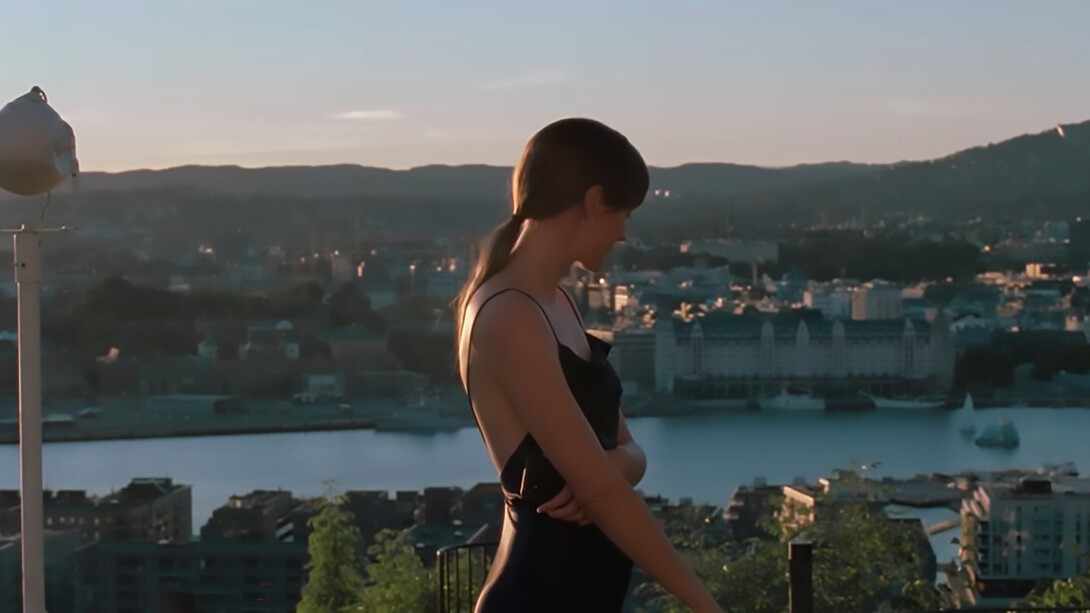
As I go through different periods of my life, my taste in media changes. Now that I am at a particularly transitive chapter, I’ve been pulled to consume media that mirrors emotions that I am currently feeling (which usually turns out to be in the dramedy genre). Perhaps it is part of human nature to read books, watch films, or listen to music that gives you comfort and, frankly, makes you feel less alone in your emotions. I find myself empathizing with characters and even learning from the plot points they experience and applying them to my own life.
Since going to the cinema to see Joachim Trier’s most recent film, “Sentimental Value” (which I would also recommend), I have gone down a rabbit hole of reading articles, watching interviews, and immersing myself in his filmography. Trier has a lengthy repertoire, but only a few of his films have been at the forefront of mainstream modern media.
Trier dares to approach the essential questions in life that are rarely explored in such depth in streamlined modern media. It has certainly made a lasting impact on me as a viewer and a writer, so I would like to take the opportunity to share the value of consuming media that makes you think and, more importantly, feel.
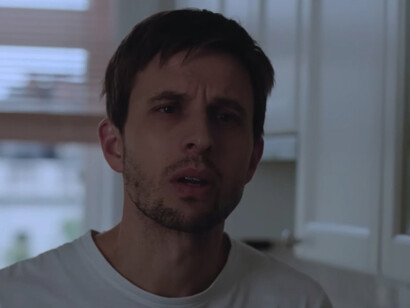
The three films I recommend today are part of the infamous Oslo Trilogy. Though it was not a trilogy from the start, Trier and his co-writer, Eskil Vogt, realized after the release of the final film, “The Worst Person in the World,” in 2021 that two other films they had previously produced had undeniable similarities both thematically and in their exposition with the new release. All three films take place in the capital city, Oslo, Norway, and contain themes of relationships, identity, memory, life, and loss, and star actor Anders Danielsen Lie in a leading role.
I ended up watching the three films in reverse chronological order, which I highly recommend, but you can watch them in any order you desire. If you are particularly into film, this trilogy is a perfect case study to see how Trier’s style and approach to directorship change over time. Even if you are just looking for a new set of films to watch that explore the complexities of familial relationships, mental health, love, and artistry, I highly suggest that you continue to read!
The Worst Person in the World (2021)
Runtime: 2h 1m.
Where to watch: Apple TV (rent), YouTube (rent), Tubi (free with subscription).
Rating: 96% Rotten Tomatoes.
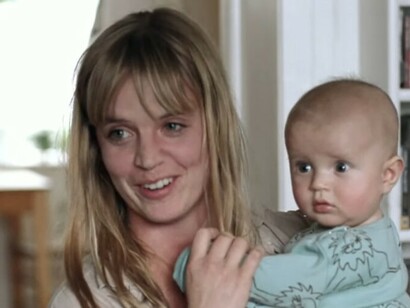
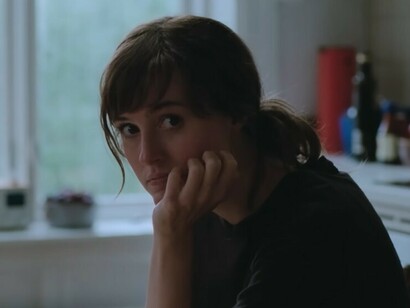
“The Worst Person in the World” (2021) is the most recent release in Trier’s Oslo Trilogy. Its premiere gained great traction as a participant at the 2021 Cannes Film Festival, where actress Renate Reinsve took the award for Best Actress by storm.
The plot centers around protagonist, Julie, and her journey to find stability in both her relationships and herself as she navigates changes in her career and uncertainty in her long-term relationship. Starting her education as a medical student, she undergoes several career changes throughout her 20s, and now finds herself working as a writing. In present day, she finds herself trapped in a relationship that once gave her purpose and fulfillment with comic writer, Aksel, and begins to question the longevity of the relationship once a complex weekend with his friends occurs once the topic of marriage and children surfaces.
After this roadblock in their seemingly calm dynamic, she has a change of heart once she meets someone new, completely by chance. Julie is confronted with holding onto what was once true and takes a risk to see what her life could look like if she were to take a different path.
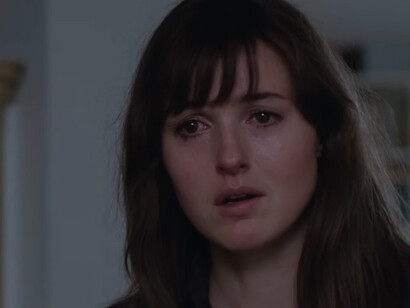
This film is particularly poignant for its conveyance of intricate emotion without the use of consistent dialogue. Based on a still shot of one of the actors, you can read their thoughts and sense their emotions without fail.
Oslo, August 31st (2011)
Runtime: 1h 35m.
Where to watch: Amazon Prime Video (subscription), Apple TV (rent), YouTube (rent).
Rating: 7.6/10 IMDb.
“Oslo, August 31st” is the second film in Trier’s Oslo Trilogy. The viewer follows Anders, a 34-year-old drug addict, on a 24-hour leave from his rehabilitation center. His separation from the real world, his relationships, and himself becomes more and more apparent as the film progresses. Though his original purpose was to travel to Oslo to complete a job interview to begin his reintegration into society, he finds himself using the time to attempt to reconnect with those in his life he has lost touch with, leaving him to confront many uncomfortable ghosts from his past.
The interpretation of addiction is thought-provoking and raw. Anders Danielson Lie’s visceral portrayal captures the idea of the difficulties of going back to the parts of life that, though once mundane, are now full of pressure. As Anders encounters his best friend, acquaintances, and relatives, he finds it difficult to separate the events of his life from six years ago and the present, leading to awkward moments of silence and contemplation.
There are many things that this film does well. As a viewer, I truly felt as though I was inside of Anders’ head as he was taking in his surroundings. He is consistently watching, analyzing, and comparing himself to those around him, as if he is looking for an explanation from the sea of bystanders on why life unfolds this way.
Reprise (2006)
Runtime: 1h 45m.
Where to watch: Amazon Prime Video (rent).
Rating: 88% Rotten Tomatoes.
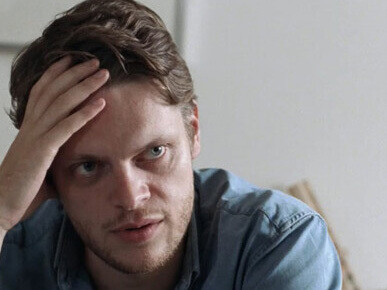
“Reprise” explores the early writing lives of Phillip and Erik, two lifelong friends who are both eagerly chasing success, identity, and purpose at the beginning of their careers. When Philip’s first novel takes off, he experiences the harsh reality of being in the public eye and undergoes a mental health crisis. The film goes back and forth on the narratives of Phillip and Erik’s lives, relationships with themselves and others, and setbacks as they try to navigate the trials and tribulations of young authorship.
Despite its moments of emotional intensity, Reprise stands as the lightest entry in the trilogy. The film balances melancholy with playful narration and ironic humor, weaving intimate backstories into a story that tenderly shows the bittersweetness of change as you get older. This blend allows the audience to experience not only the personal crises and disappointments that strain Phillip and Erik’s friendship, but also the loyalty and youthful optimism that bind them together.
The Oslo Trilogy stands out as a go-to watch, as it truly makes the viewers’ emotions feel seen in times of uncertainty. The intensity of the plotlines and the practicality of the characters linger with the viewer even after the credits roll. For days after, the films stayed on my mind, forcing me to reflect on how I can apply them to my own life and the greater takeaways on identity, relationships, and self-ambition.
If you decide to watch any of the films (or all three), I would love for you to reach out and let me know your thoughts and opinions on them!