English
 Español
 Français
 Deutsch
 Italiano
 Português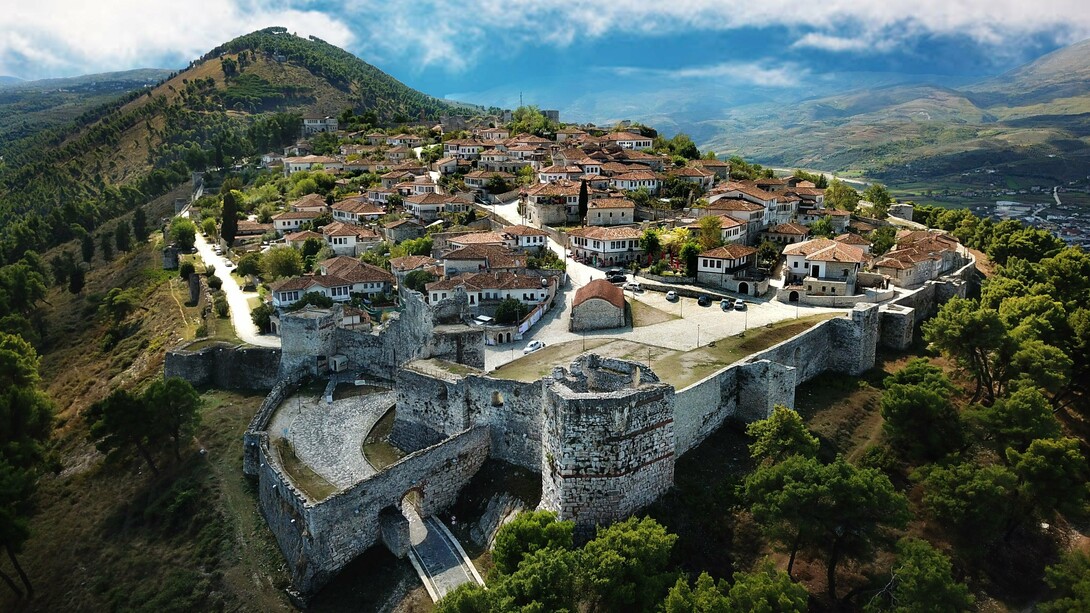
After visiting Prague's Klementinum1, I have another place to recommend: Berat, Albania. In Prague, I was outside by 8:20 a.m., waiting for the ticket office to open at nine. It turns out I'm very punctual when an old library is involved.
Berat drew me in for a different reason: a hillside covered in white houses, each with so many windows that the city earned its nickname. After admiring rows of books, I became curious about a place known for its windows. My travel interests were getting oddly specific.
So what do you actually do in a city known for its windows? Looking at them is the obvious first step. But things get more interesting when you stop just admiring the view and step inside.
Who ordered all these windows?
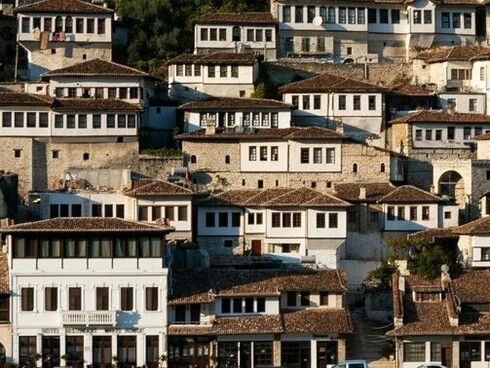
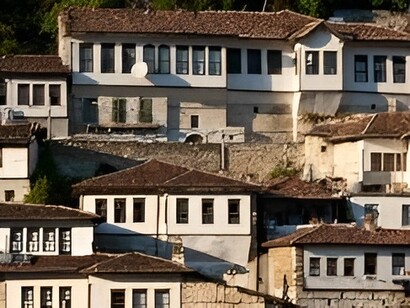
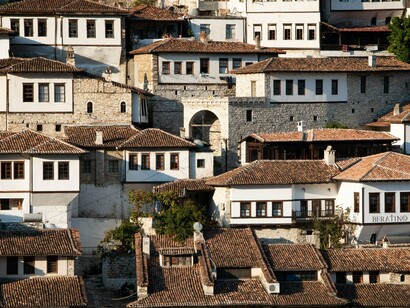
Mangalem, the historic neighborhood below Berat Castle, tells the story. White houses line the hillside in neat rows, with dark window frames and terracotta roofs repeating up the slope. From afar, it seems like every house asked for a view, and the neighborhood delivered. That's how Berat got its famous nickname.
A thousand windows, though? I'm happy to take their word for it. After all, I’m here on vacation, not to count windows for free.
The windows aren’t just for show. Berat's traditional houses are designed to let in plenty of daylight and fit the steep hillside. Many of these homes date from the late 18th and 19th centuries.
In 2008, Berat became a UNESCO World Heritage site2, recognized for architecture shaped by generations of merchants and craftspeople. UNESCO's description highlights the clever design behind the city's beautiful view.
Up close, you start to wonder how everything fits together. The wide view gives way to narrow paths, doorways, stone walls, and corners that hide what's around them. Noticing these details makes the neighborhood feel different and more personal.
It also reminds you of something photos often miss: these are real homes. Someone's lovely window might just frame an ordinary afternoon. I like that thought. You can admire a place for how it looks and still remember that someone inside might be doing the laundry.
A castle with neighbors
The castle above Mangalem makes you wonder: how far up is it, really? From below, it doesn't look too bad. But hillside landmarks are great at hiding the real climb.
The path is steep, so give yourself time and wear good walking shoes. This is when being interested in architecture helps—pausing to look at a wall sounds better than stopping because your legs need a break.
Known locally as Kala, Berat Castle largely dates from the thirteenth century, with origins reaching much further back. Inside its walls are lanes, houses, religious buildings, and ruins.
The houses interest me most. We usually picture castles filled with rulers, soldiers, or people waiting for news. Here, the everyday homes change that idea. What is daily life like when the landmark is also where people live?
Of course, the views are wide and impressive. From here, the river and neighborhoods below start to make sense as a map, and the hills show why the fortress was built here. Even without military knowledge, the benefits are obvious.
But pay as much attention to what's inside as to the view. Walk the lanes. Notice how the buildings fit together. A castle that's also a neighborhood deserves more than just a photo from above.
What happens on the other side?
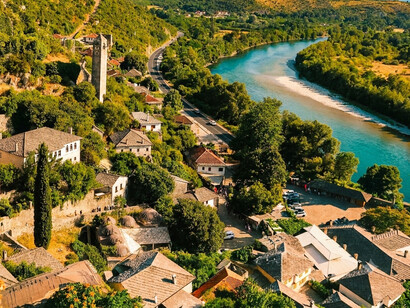
Across the Osum River is Gorica, facing Mangalem. Whenever a river runs through a city, I always wonder what's on the other side. Maybe the view is better there. Maybe there's coffee. Either way, both are good reasons to cross.
Gorica Bridge, with its stone arches, is a crossing worth taking your time on. From the other side, you see Mangalem's houses forming that familiar hillside pattern again. Streets that felt closed in before now look like part of a neat, organized scene.
Berat offers more than its houses. Byzantine churches and Ottoman mosques show that different religious groups have lived here for centuries.
Inside the castle district, the Onufri Museum occupies the Cathedral of the Dormition of Saint Mary. Its icons and liturgical objects invite closer attention: painted faces, rich colors, and details that demand more than a passing glance.
After exploring a whole hillside, studying a painted expression makes a welcome change.
How much can one face convey? What did these images mean to the people who stood before them centuries ago? You need no expertise to bring questions into a museum. In fact, questions are excellent luggage: useful, portable, and exempt from airline fees.
A very good place to lose an hour
Sooner or later, even curiosity needs a break. Bulevardi Republika, the pedestrian boulevard, is lined with cafés, shops, and the city's daily life. After exploring the old neighborhoods, it's a good place to sit and let your mind wander.
I really enjoy this part of a trip, when the rush to see everything starts to fade. Order a drink. Put your phone away. Let yourself not worry about where you'll go next for a while.
It's funny to travel so far and realize that one of the best parts is just sitting still. No one puts “an unplanned hour in a chair" at the top of their travel plans. Maybe we should.
Thinking back to the Klementinum, I see the value in both ways of traveling: getting up early for a special spot, and wandering down a street just because it looks inviting. Berat is perfect for the second approach.
Definitely visit for the windows. But also explore what's between them. Cross the river, climb the hill, and give yourself time to get pleasantly sidetracked. As for counting the windows, I'll trust the city's word. Someone else can do the counting.
Notes
1 Klementinum: a quiet miracle in Prague. Meer.
2 Historic Centres of Berat and Gjirokastra. World Heritage Convention, UNESCO.