English
 Español
 Français
 Deutsch
 Italiano
 Português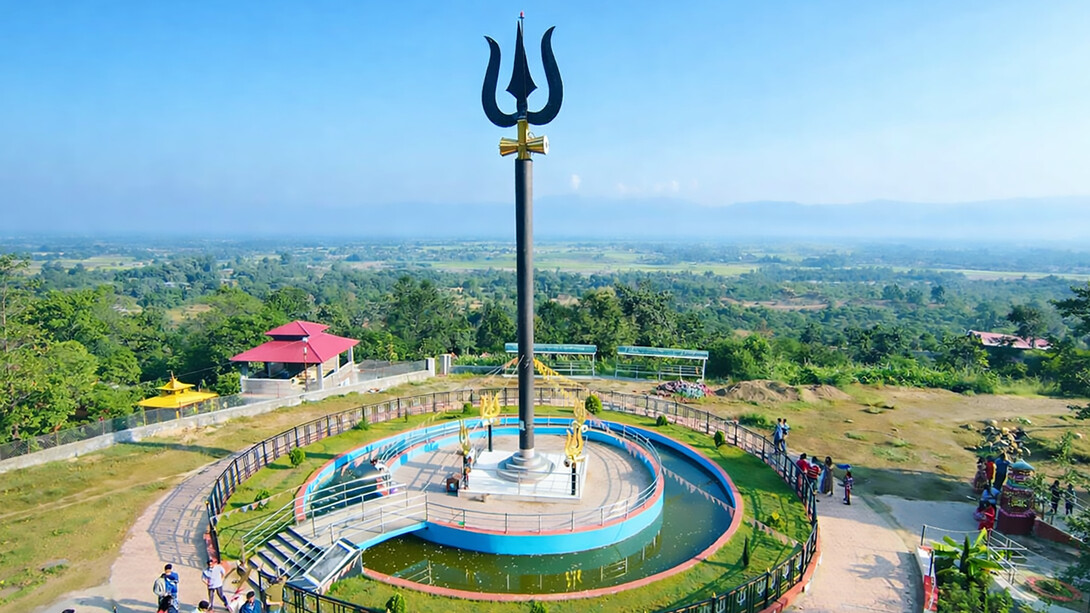
I did not choose Dharapani because it was famous or frequently mentioned in travel guides. I chose it because I wanted to experience a place that still breathes simplicity, where life moves at its own natural pace. Located in Ghorahi of Dang District, Dharapani felt like the kind of destination where travel is less about photographs and more about feeling present.
As someone who enjoys understanding places through people, food, and everyday life, I felt drawn toward Dharapani. I wanted to walk its paths, sit with locals, eat what the land provides, and experience Dang beyond the usual town limits. With this intention, I began my journey.
On the road: traveling from Ghorahi to Dharapani
My journey started from Ghorahi Bazaar. As I left the busy market area behind, I could feel the atmosphere changing almost immediately. The sound of traffic softened, buildings became fewer, and open land started to dominate the view. The road toward Dharapani felt like a slow transition from urgency to calm.
Along the way, I noticed small tea shops, local buses stopping frequently, and people greeting each other with familiar smiles. I did not feel like a stranger passing through; instead, I felt like someone gradually being welcomed into a quieter world. The air felt fresher, and the journey itself became part of the experience.
First steps in Dharapani: a village that feels alive
As soon as I reached Dharapani, I felt a sense of calm settle in. There was no rush, no noise demanding attention. Houses stood modestly, fields stretched openly, and people moved with purpose but without hurry. It felt like honest life happening as it always has.
What struck me most was how naturally everything flowed. Children played freely, elders sat together sharing conversations, and daily work continued without disruption. I realized quickly that Dharapani was not a place to be observed from a distance; it was a place to be lived, even if only for a short while.
Morning in Dharapani: experiencing the village wake up
I woke up early the next morning, just before sunrise. The village was quiet, but not silent. Birds were already active, and distant sounds of movement signaled the beginning of a new day. A thin layer of mist hovered over the fields, creating a peaceful and almost dreamlike scene.
Walking outside, I saw people starting their routines—some heading toward the fields, others preparing food, and children getting ready for school. There was something deeply grounding about witnessing this daily rhythm. It reminded me how closely life here is connected to nature.
Walking through the fields: connecting with the land
I spent much of my time walking through Dharapani. Narrow paths ran between fields of rice, wheat, and seasonal vegetables. The soil felt rich under my feet, and the landscape changed subtly with every step.
As I walked, I often stopped just to observe—farmers working steadily, women collecting vegetables, and cattle resting under trees. These were ordinary scenes, yet they felt meaningful. Traveling through Dharapani taught me that beauty does not always announce itself; sometimes it waits quietly to be noticed.
Conversations that matter: meeting the people of Dharapani
One of the most memorable parts of my journey was the people. Conversations happened naturally—sometimes with words, sometimes with gestures and smiles. Locals were curious but never intrusive, welcoming but never overwhelming.
Sitting with elders, listening to stories about the village, agriculture, and changing times gave me insight into Dharapani’s past and present. These conversations were not planned, yet they shaped my experience more than any landmark could.
Food experience: eating like a local
Food in Dharapani became one of my favorite experiences. Meals were simple, prepared with care, and deeply satisfying. I ate dal, bhat, seasonal vegetables, leafy greens, and homemade pickles—most of it grown nearby.
What made these meals special was not just the taste, but the way they were shared. Eating together, sitting comfortably, and taking time with food made me realize how often travel overlooks such moments. In Dharapani, food felt like a conversation between the land and the people.
Cultural observations: tradition in everyday life
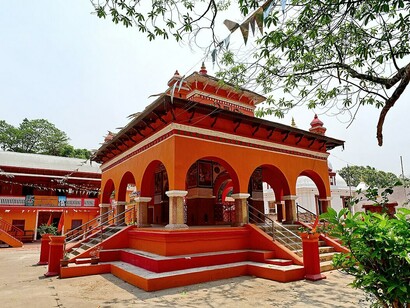
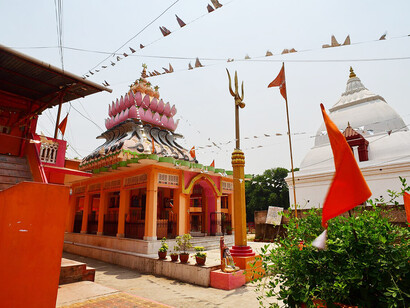
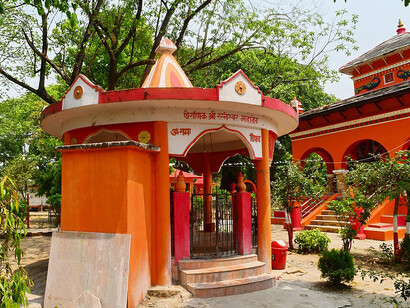
As I stayed longer, I began to notice cultural details woven into daily routines. Small temples, prayer spaces, and sacred trees were part of everyday movement. People paused naturally for worship, reflection, or respect.
I learned that festivals play a significant role in village life, bringing everyone together regardless of age or background. Even outside festival times, the sense of cultural continuity was strong. Dharapani did not preserve tradition as a performance—it lived it.
Evening reflections: when the village slows down
Evenings in Dharapani were among my favorite moments. As the sun began to set, the fields turned golden, and activities slowly came to a close. People gathered outside their homes, conversations resumed, and the pace of life softened further.
I often sat quietly during this time, reflecting on the day. Without distractions, I became more aware of my thoughts and surroundings. Traveling here felt less about movement and more about presence.
Staying close to life: feeling at home in Dharapani
Although my stay was temporary, Dharapani made me feel at home. The absence of luxury did not feel like a loss; instead, it felt freeing. Life was comfortable in its simplicity.
I realized that places like Dharapani offer something increasingly rare—a chance to reconnect with basic human experiences. Sleeping early, waking with natural light, and engaging meaningfully with others changed the way I experienced time.
Responsible travel: my role as a visitor
While traveling in Dharapani, I became more aware of my responsibility as a visitor. Respecting local customs, avoiding waste, and approaching people with humility felt essential. This was not a place to consume; it was a place to learn from.
Responsible travel here means appreciating what exists without trying to change it. Dharapani’s value lies in its authenticity, and preserving that should always come first.
Best time to visit: what I experienced
From my experience, the best time to visit Dharapani is during autumn and spring. The weather is pleasant, and the village feels lively with agricultural activity. Monsoon brings beautiful greenery but requires patience due to road conditions. Winter is quiet and reflective, perfect for slow travel.
What Dharapani taught me: a personal takeaway
Traveling to Dharapani taught me the importance of slowing down. It reminded me that meaningful experiences are often found in ordinary moments—shared meals, simple conversations, and quiet walks.
I did not leave Dharapani with souvenirs or long lists of attractions. I left with memories that felt personal and grounding. The village showed me that travel does not always need to be far or dramatic to be transformative.
Conclusion: Dharapani as a journey within
My journey to Dharapani, Dang Ghorahi, was more than a physical trip—it was an internal experience. It allowed me to reconnect with nature, community, and myself. Dharapani may appear simple on the surface, but it holds depth for those willing to experience it sincerely.
If you are looking for a place that offers peace, authenticity, and human connection, Dharapani is not just a destination; it is a feeling that stays with you long after you leave.