English
 Español
 Français
 Deutsch
 Italiano
 Português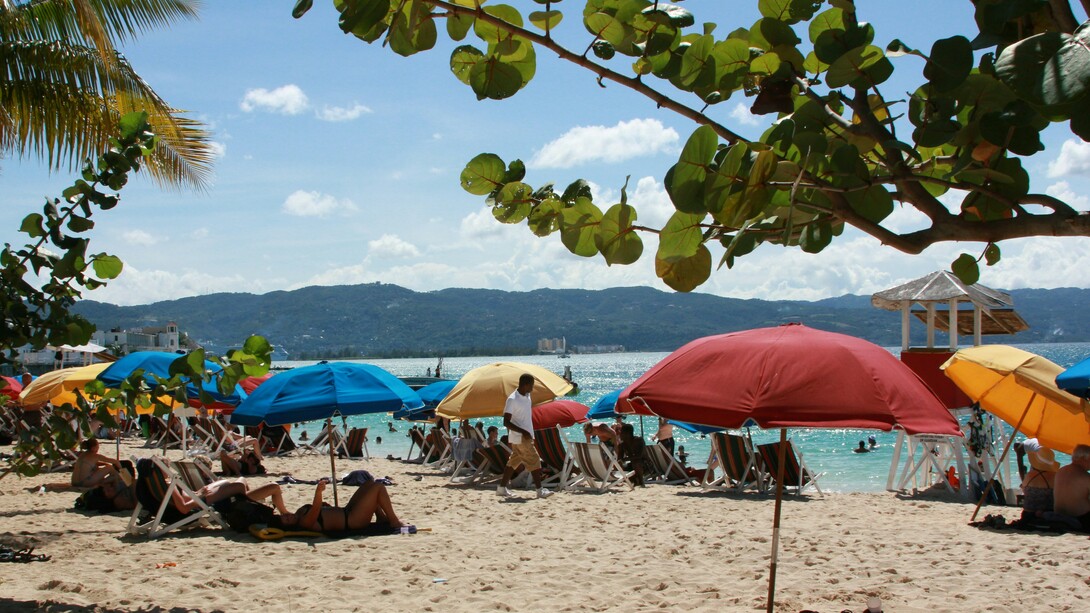
I’ve always been obsessed with culture. Not in a “perform for the gram” way. In the real way possible. I grew up in East London in a mixed-heritage family where being around different cultures wasn’t something we intellectualized; it was just normal.
Thursdays after primary school, I’d be at my Pakistani best friend’s house, eating her mom's homemade biryani and picking Eid outfits out. My Congolese friend would teach me how to speak in Lingala; I celebrated Lithuanian traditions at another friend’s house. No one called in 'diversity'; it was just our life.
So, culture has never felt out of bounds to me. It’s always been familiar, and that’s why I struggle when people confidently write off entire countries based on headlines.
The PR problem countries have
Some destinations suffer from what I’d call generational bad PR. Jamaica is one of them. The minute you say you’re going, someone who has never stepped foot there will tell you not to leave the resort.
Yes, Jamaica has real issues. Crime statistics in certain areas are high. Political instability in the 1970s shaped international perception. Drug trafficking routes through the Caribbean have impacted its global image. Corruption rankings haven’t helped.
These are facts. But here’s another fact: millions of tourists visit Jamaica every year without incident. Tourism accounts for a huge percentage of the island’s GDP. Entire communities rely on it, and most visitors leave talking about the warmth, the humor, the music, the food, and the pace of life. Countries are complex. Headlines are not.
Let’s also not pretend race and colonial history don’t influence perception. Majority-Black nations are often labelled “dangerous” in ways European cities with comparable crime rates simply aren’t.
London currently has phone snatchings and knife crime in some of its wealthiest boroughs. I was born and raised here. I’ve been harassed on my own street. Does that define London? No. It defines one person. The way we judge places is rarely neutral.
My Jamaica
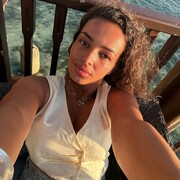
Jamaica was personal for me. My grandfather grew up in Manchester Parish before moving to the UK at 21. Jamaican culture was already woven into my life long before I ever boarded a plane.
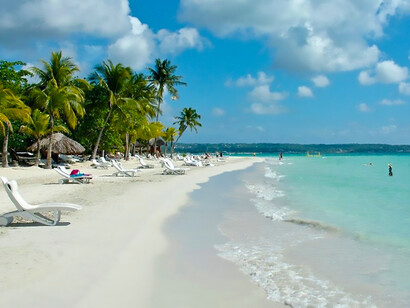
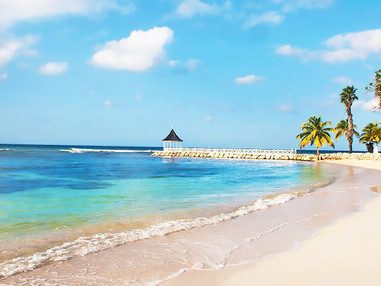
My cousins and I stayed at Iberostar in Montego Bay, which was beautiful, polished, and safe, but within hours, we were outside those hotel gates.
A family friend picked us up from the airport in his Nissan. We said we were thirsty. He stopped by the side of the road, someone climbed a tree, and suddenly we had fresh coconuts in our hands. No itinerary. Just moments unfolding.
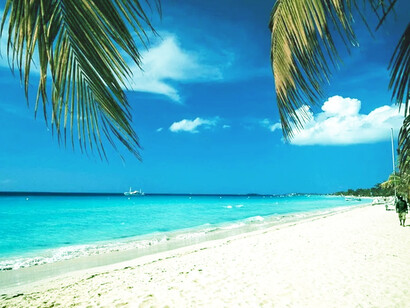
We explored Montego Bay beyond the resort strip. We ate the best roadside jerk chicken, we danced midweek at Margaritaville, and we spent Fridays at Pier 1, leaving at 5am to sit on the beach while the sky shifted colors.
We climbed Dunn’s River Falls in Ocho Rios. We jumped into the Blue Hole, water so blue it doesn’t look real. We drove two hours to Negril in the rain and drove through neighborhoods blasting reggae. We played dominoes in Falmouth. We spoke to people about their lives, their families in the UK, and their plans.
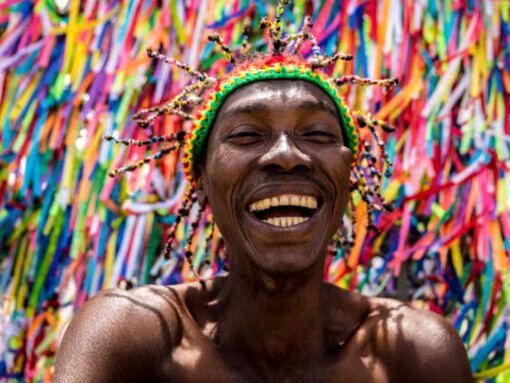
At one point, sitting quietly on a near-empty beach with rum punch in hand, my grandfather’s funeral song started playing from nearby speakers. I’m not dramatic, but that felt like something, like I was connected to his land, his spirit, and a part of myself I hadn’t fully understood until that moment. The entire trip felt layered. The people we met. Warm. Funny. Real.
The segregation of tourism
Here’s the uncomfortable bit. Tourism often keeps visitors separated from real life on purpose. Resorts are controlled environments. They’re easy and predictable. There’s nothing wrong with enjoying them. But imprisoning yourself inside them because someone who’s never been told you to be scared? That’s different.
Authentic travel isn’t reckless. You don’t wander into unfamiliar neighborhoods blindly. You don’t ignore local advice. You use trusted guides. You move smart. You respect the “running.” You also don’t let fear run the whole trip. With each visit, you understand more, and with each conversation, the narrative shifts.
Perspective is powerful PR
After I came back, I posted photos and videos. Suddenly, the same people who had warned me were saying, “Wait… I want to go.” Same island. Different lens. That’s the power and beauty of storytelling.
Good travel PR doesn’t ignore complexity; it contextualizes it. It shows Montego Bay beyond the headlines. It shows Ocho Rios’ waterfalls. Negril’s cliffs. Falmouth’s domino tables. The auntie at the roadside jerk spot who’s been there for twenty years.
It doesn’t flatten a country into paradise, but it doesn’t flatten it into danger either. Authentic storytelling gives people nuance.
The reflection theory
I once worked with someone who told me Jamaica was “horrible” because “they were rude.” This same person was one of the rudest people I’ve ever met. Sometimes the way you experience a place reflects how you show up in it.
If you go somewhere defensive, suspicious, and already convinced it’s unsafe, you’ll likely feel that way the entire time. If you go curious, respectful, and open, you’ll probably see and feel more. Not because danger doesn’t exist, but because humanity does too.
Travel, but think
This isn’t a call to be naive. It’s a call to be balanced. Research properly. Understand which areas to avoid. Speak to locals. Move intelligently. Respect culture. Just don’t let the loudest narrative dictate your worldview. The media can reduce millions of people to one storyline. If you’ve ever sat at someone’s dinner table, heard their parents’ migration story, or watched a place through your own eyes, you know it’s never that simple.
Authentic travel isn’t about chasing trends; it’s about forming your own perspective. There is good and bad everywhere. Don’t let someone else’s fear decide what you’re allowed to see. Dare to see the world differently. Talk to people. Ask questions. Understand context. Let your opinions be shaped by real conversations, not recycled headlines. Create your own judgements, informed ones. Travel is beautiful if we allow it to be.
This doesn’t mean turning a blind eye to corruption, inequality, or real issues. It means understanding them properly. It means respecting the people who live within those realities. It means telling stories that are balanced, stories that don’t erase struggle but also don’t reduce entire nations to it.
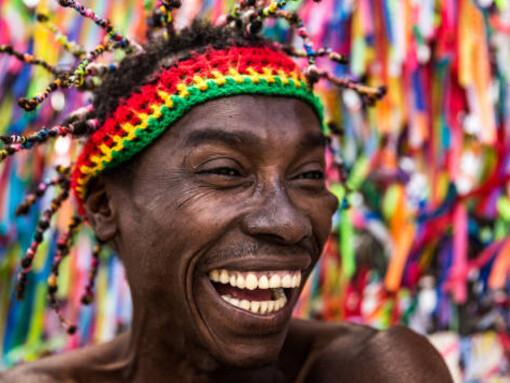
Behind every “dangerous destination” headline is a tour guide who relies on tips to feed his family. A market seller paying school fees. A driver who just wants you to see his home the way he does.
Travel, done right, isn’t ignorance; it’s awareness with empathy.