English
 Español
 Français
 Deutsch
 Italiano
 Português
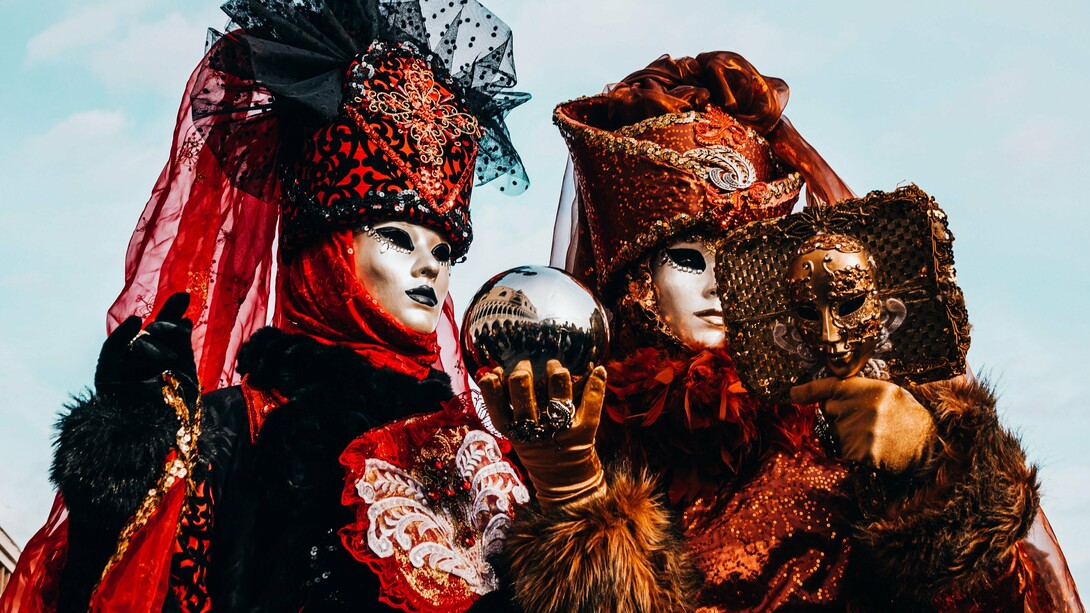
Costume design is one of the most fascinating intersections between fashion, art, culture, and storytelling. Whether in theater, cinema, television, opera, dance, or even theme parks, costumes help transform performers into characters and allow audiences to immerse themselves in different worlds. More than simply dressing actors, costume design creates visual narratives, communicates emotions, defines historical periods, and strengthens the identity of a production.
The history of costumes dates back thousands of years. Long before cinema existed, ancient civilizations already understood the power of clothing as a form of communication. In Ancient Egypt, ceremonial garments were used during religious performances to represent gods and mythical figures. Similarly, in Ancient Greece, theatrical productions relied on distinctive costumes, masks, and accessories to help audiences recognize characters and understand their social status.
Greek theater played a fundamental role in shaping costume traditions. Actors often wore long robes known as chitons, while masks exaggerated facial expressions and allowed performers to portray multiple characters. Since theaters were large and audiences sat far from the stage, costumes needed to be visually impactful and easily recognizable.
The Romans later adopted many Greek theatrical practices while introducing their own aesthetic influences. Costumes became increasingly elaborate, reflecting the grandeur and hierarchy of Roman society. Color, fabric, and decoration were often used to signify power, wealth, or occupation, establishing a visual language that continues to influence costume design today.
During the Middle Ages, theatrical performances were frequently associated with religious celebrations. Biblical stories were dramatized in churches and public squares, with costumes helping audiences identify saints, angels, kings, and demons. Since literacy rates were low, visual symbolism became an essential storytelling device.
The Renaissance marked a turning point for costume development. As theater flourished across Europe, productions became more sophisticated, and clothing began to reflect historical and social realities with greater accuracy. Wealthy patrons invested in lavish garments, embroidery, and luxurious fabrics. Costumes evolved from simple representations into artistic creations that enhanced the overall spectacle.
One particularly interesting aspect of Renaissance theater was that actors often wore contemporary clothing instead of historically accurate garments. Shakespearean productions, for example, frequently dressed ancient kings and Roman generals in fashions of the Elizabethan era. Historical accuracy was less important than visual appeal and audience connection.
The 18th and 19th centuries brought significant advancements to costume design. As theaters expanded and audiences grew, productions demanded increasingly detailed visual elements. Designers began conducting historical research to recreate authentic clothing from different periods. This shift laid the foundation for modern costume design practices.
The arrival of cinema in the late 19th century revolutionized the role of costumes. Unlike theater, film cameras could capture intricate details, making fabric texture, stitching, and accessories more visible than ever before. Costume designers suddenly needed to consider how garments appeared on screen, under lighting conditions, and through different camera lenses.
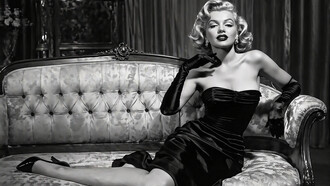
Hollywood’s Golden Age, spanning roughly from the 1920s to the 1960s, elevated costume design into a respected artistic profession. Studios employed dedicated costume departments staffed by designers, tailors, embroiderers, and textile specialists. Legendary productions featured extravagant wardrobes that became cultural icons and influenced mainstream fashion trends.
One famous example is the impact of costume design on everyday consumer behavior. Throughout film history, audiences have often sought to imitate the clothing worn by beloved characters. From elegant gowns to leather jackets and tailored suits, costumes have repeatedly inspired fashion movements and purchasing habits worldwide.
Costume design became even more influential as television entered millions of homes. Popular series introduced audiences to distinctive character wardrobes that helped define personalities and create emotional connections. Viewers could instantly recognize characters based on their clothing choices, proving that costumes function as a powerful storytelling shortcut.
Historical productions have particularly benefited from strong costume design. Films and television series set in different eras rely heavily on clothing to establish authenticity and transport audiences through time. Designers spend months researching fabrics, silhouettes, accessories, and construction techniques to ensure visual credibility.
Fantasy and science-fiction productions present a different challenge. Rather than recreating history, designers must invent entirely new worlds. Costumes become tools for world-building, helping audiences understand fictional societies, political structures, and cultural values. The success of many fantasy franchises is closely linked to their distinctive visual identities.
Interestingly, costume designers often work closely with directors, production designers, makeup artists, and cinematographers. Every detail must align with the broader visual language of a project. A costume that looks beautiful in isolation may not work effectively on camera or within a particular set design.
Color psychology is another crucial element of costume design. Designers frequently use color to communicate emotions and character development. Dark tones may suggest mystery or authority, while brighter colors can symbolize innocence, optimism, or transformation. Audiences may not consciously notice these choices, but they often influence perception and emotional engagement.
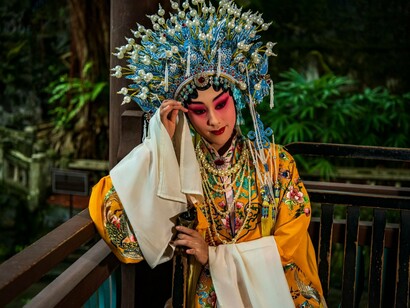
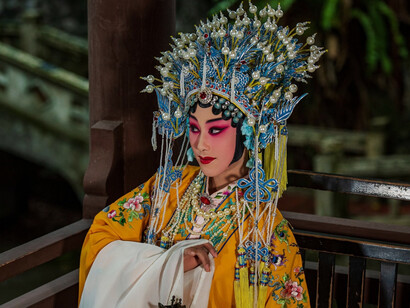
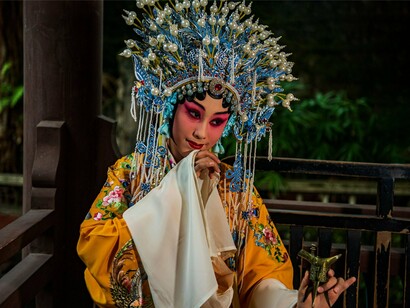
Beyond entertainment, costumes hold significant cultural value. Traditional garments used in festivals, ceremonies, and cultural performances preserve historical heritage and strengthen community identity. Around the world, costume traditions help maintain connections between generations while celebrating local craftsmanship and artistic expression.
The costume industry also represents an important economic sector. Global spending on film, television, theater, live entertainment, and themed experiences generates substantial demand for costume professionals. Designers, textile manufacturers, pattern makers, stylists, craftspeople, and specialized suppliers all contribute to a complex creative ecosystem.
Large-scale productions can allocate millions of dollars to costume departments. Historical epics, fantasy films, and streaming series often require hundreds or even thousands of individual garments. Each piece may involve extensive research, fittings, alterations, aging treatments, and maintenance throughout production.
The rise of streaming platforms has further expanded opportunities within the costume market. As content production increases worldwide, demand for skilled costume designers continues to grow. Productions are being developed across diverse genres, cultures, and regions, creating new possibilities for creative professionals.
Technology has also transformed costume development. Digital design software allows designers to create detailed visual concepts before garments are produced. Three-dimensional modeling, laser cutting, and innovative textile technologies have expanded creative possibilities while improving efficiency.
Sustainability has become an increasingly important topic within the costume industry. Many productions now prioritize garment reuse, textile recycling, and responsible sourcing practices. Costume houses frequently maintain extensive archives that allow garments to be repurposed for future projects, reducing waste and lowering production costs.
Another fascinating trend is the growing relationship between costume design and fashion brands. Luxury houses and contemporary designers often collaborate with film and television productions, creating garments that generate publicity for both industries. These partnerships blur the boundaries between costume design and commercial fashion.
Award recognition has further elevated the profession. Prestigious ceremonies celebrate excellence in costume design, highlighting the creativity and technical expertise required to bring characters to life. These awards have helped increase public appreciation for a field that often operates behind the scenes.
Despite technological advancements, the essence of costume design remains unchanged. At its core, the discipline is about storytelling through clothing. Every garment communicates information about a character’s personality, background, aspirations, and emotional state. A carefully designed costume can reveal details that dialogue alone cannot express.
Today, costume design stands as one of the most influential visual arts within the entertainment industry. It bridges fashion, history, psychology, craftsmanship, and business while shaping how audiences experience stories. From ancient Greek theaters to modern streaming platforms, costumes continue to captivate viewers and enrich narratives across cultures and generations.
As the global entertainment market continues to expand, the importance of costume design is likely to grow even further. New technologies, evolving audience expectations, and increasing demand for high-quality content ensure that costume professionals will remain essential contributors to creative industries worldwide. Their work not only dresses characters but also helps define the worlds in which those characters live, making costume design an indispensable part of visual storytelling.