English
 Español
 Français
 Deutsch
 Italiano
 Português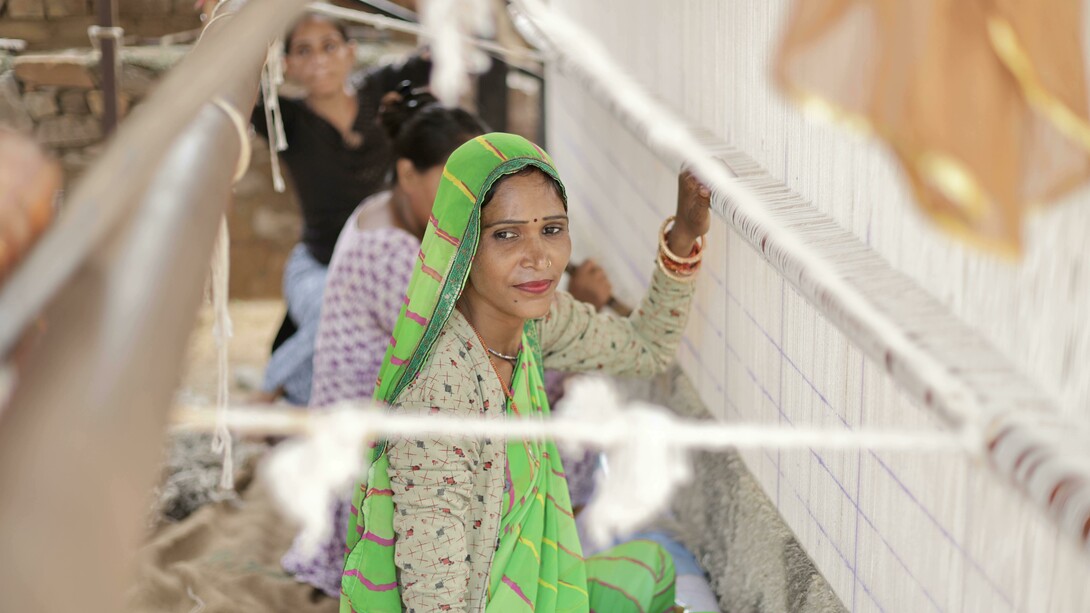
Before you fall in love with a saree's drape, you fall in love with its story—and these five traditional Indian sarees have the strongest ones. Each heritage weave is a living memory of the region it comes from, the community that guards it, and the artisans who pour their skill into every thread.
When someone asked me to pick one favorite saree for my 50th birthday, I was honestly stumped. How do you choose just one when you've travelled across India, wandered through weaving towns, and stepped into villages where handloom sarees are made? From the silk sarees of Kanchipuram, Tamil Nadu, to the cotton sarees of West Bengal, every region has its own masterpiece.
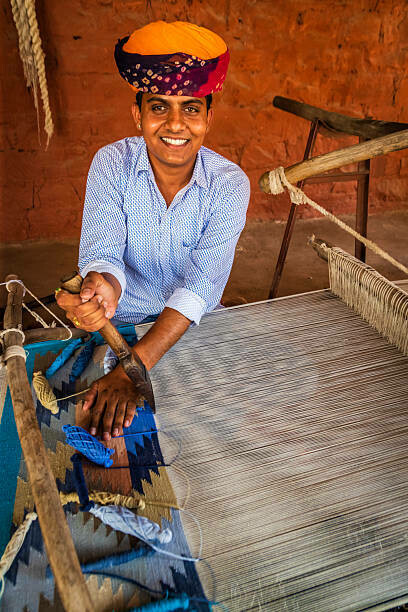
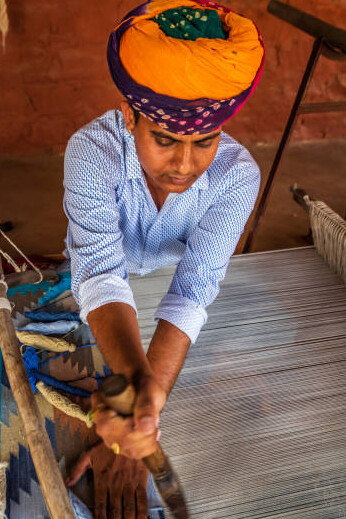
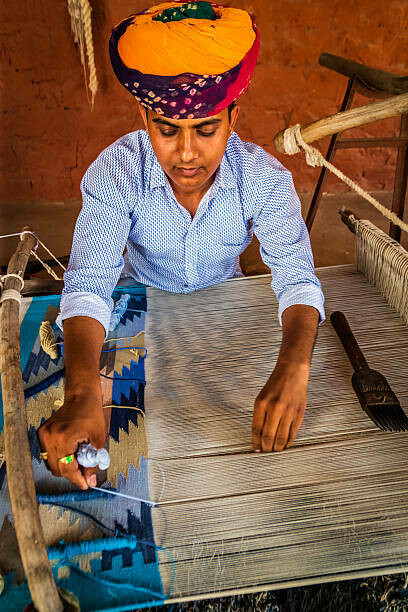
Over the years, I've met countless Indian weavers—shoulders tired but spirits steady—bending over their looms with unbelievable patience. Their fingers fly in that warp-and-weft rhythm that turns silk and cotton into something worth treasuring. With every visit, I realized just how vast India's saree heritage really is.
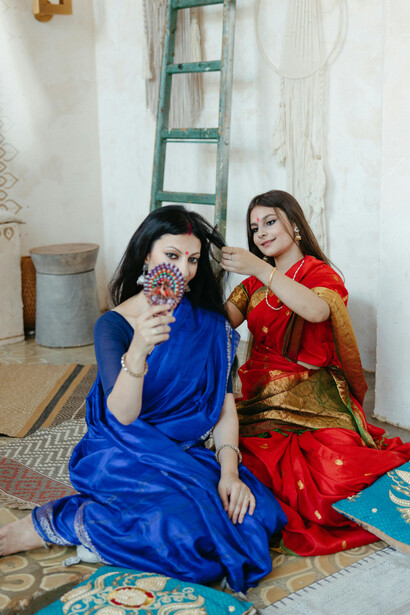
Indian sarees are more than clothing. They're wearable symbols of culture and tradition. Banarasi silk sarees from Varanasi, Paithani sarees from Maharashtra, Kanjeevaram silk from South India, and other regional sarees connect generations through craftsmanship. They carry stories of temples, weddings, and festivals. Graceful yet versatile, these traditional sarees are timeless pieces that blend heritage with modern style.
So let me walk you through the five that stopped me in my tracks—the ones I keep coming back to, no matter how many new weaves I discover.
My top 5 heritage sarees of India
Banarasi Silk Saree: the Royal Weave of Varanasi
Varanasi's silk weaving legacy goes back over 2,000 years, but it was the Mughal era that gave Banarasi sarees their signature opulence. Persian artisans brought intricate brocade techniques to the ghats of the Ganges, and local weavers made them their own.
What sets Banarasi apart is the zari work—real gold or silver threads woven into silk using a jacquard loom. Each saree can take 15 days to six months, depending on the design density. The weaver works the body and border separately, then joins them so seamlessly you'd never know.
Expect Mughal-inspired florals, kalga (paisley), bel (creeper vines), and jhallar (string of leaves). The jangla technique adds extra zari for that heavy, wedding-ready look. Whether it's pure silk (katan), organza (kora), or georgette, a Banarasi drapes like liquid gold—and feels just as precious.
Kanjeevaram silk saree: the pride of Tamil Nadu
Kanchipuram, the temple town 70 km from Chennai, has been weaving silk since the Chola dynasty. Legend says the weavers are descendants of Sage Markanda, the master weaver of the gods. That's the kind of legacy these sarees carry.
Kanchipuram weavers use pure mulberry silk with a three-shuttle technique—one for the body and two for the border and pallu. The borders are often woven separately and interlocked so strongly that even if the saree tears, the border stays intact. Motifs are pulled straight from temple architecture: peacocks, parrots, lions, chariots, and checks inspired by Kanchipuram's gopurams.
Kanjeevaram is considered the queen of silks for its weight, sheen, and durability. A well-kept Kanjeevaram can last generations. The silk is dipped in rice water and sun-dried before weaving, giving it that signature stiffness and glow. For South Indian brides, it's not just a saree—it's an heirloom in the making.
Patola saree: the double Ikat Marvel of Gujarat
Patan, a small town in North Gujarat, is the only place in India where true double ikat Patola sarees are still woven. The Salvi community has guarded this 700-year-old craft with such secrecy that even today, only a handful of families know the full process.
Every design has meaning. The nari kunj (dancing women) celebrate femininity. The paan bhat (betel leaf) symbolizes prosperity. Elephants represent royalty, and parrots signify love. These aren't random patterns—they're visual blessings woven into silk.
A single Patola can take four to six months and cost anywhere from ₹2 lakh to ₹10 lakh or more. Why? Because both warp and weft threads are resist-dyed before weaving, a technique so precise that the pattern emerges identical on both sides. It's reversible, fade-proof, and breathtakingly rare. Owning one is like owning a wearable museum piece.
Baluchari Saree: the storytelling weave of Bengal
Baluchari sarees were born in Murshidabad during the 18th century, near the village of Baluchar by the Bhagirathi River. When floods destroyed the original weaving hub, the craft migrated to Bishnupur in the Bankura district, where it thrives today.
What makes Baluchari unforgettable is the pallu—it's a woven storyboard. Scenes from the Ramayana, Mahabharata, or royal processions unfold in intricate detail. You'll see chariots, horses, gods, and courtly figures all rendered in silk threads. The borders echo the same narrative style, turning the entire saree into wearable folklore.
Today's Balucharis blend tradition with subtlety. Weavers still use the Jacquard loom, but contemporary versions feature softer color palettes—pastels, dual tones—and lighter fabrics for everyday elegance. The stories remain, but the drape feels modern. It's heritage that doesn't weigh you down.
Chanderi saree: the lightweight royal drapes of Madhya Pradesh
Chanderi, a historic town in Madhya Pradesh, has been weaving since the Vedic period. Royal patronage during the Bundela and Mughal eras turned it into a textile hub. Even today, over 4,000 looms hum across Chanderi's narrow lanes.
These sarees are famous for their gossamer-light feel and signature buttis—tiny motifs like coins, flowers, or peacocks scattered across the fabric. The translucent weave makes them perfect for Indian summers. Fine zari accents add just enough shimmer without the weight. Hold one up to the light, and it glows.
Traditional Chanderi was pure silk or cotton. Now, silk-cotton blends dominate—offering the best of both worlds. The silk adds sheen; the cotton adds breathability. Modern weavers experiment with contemporary colors and minimalist designs, but the sheer, airy drape stays untouched. It's royal elegance you can wear all day.
Your turn
These five sarees represent just a fraction of India's weaving brilliance—there's Pochampalli, Maheshwari, Sambalpuri, and so many more waiting to tell their stories. Each region guards its own textile secrets; each loom sings a different tune.
So, here's my question: which heritage saree speaks to you? Maybe you grew up watching your grandmother drape a Tant cotton, or you saved up for your first Mysore silk. Maybe there's a weave I haven't mentioned that deserves the spotlight.
Drop your favorite in the comments. Let's celebrate the sarees that made us stop, stare, and fall hopelessly in love.
References
iShareThese. (2010, April 5). Traditional silk weavers of Kanchipuram (Kanchivaram sarees).
iShareThese. (2014, March 17). Baluchari silk sari weavers — Bishnupur, West Bengal.