English
 Español
 Français
 Deutsch
 Italiano
 Português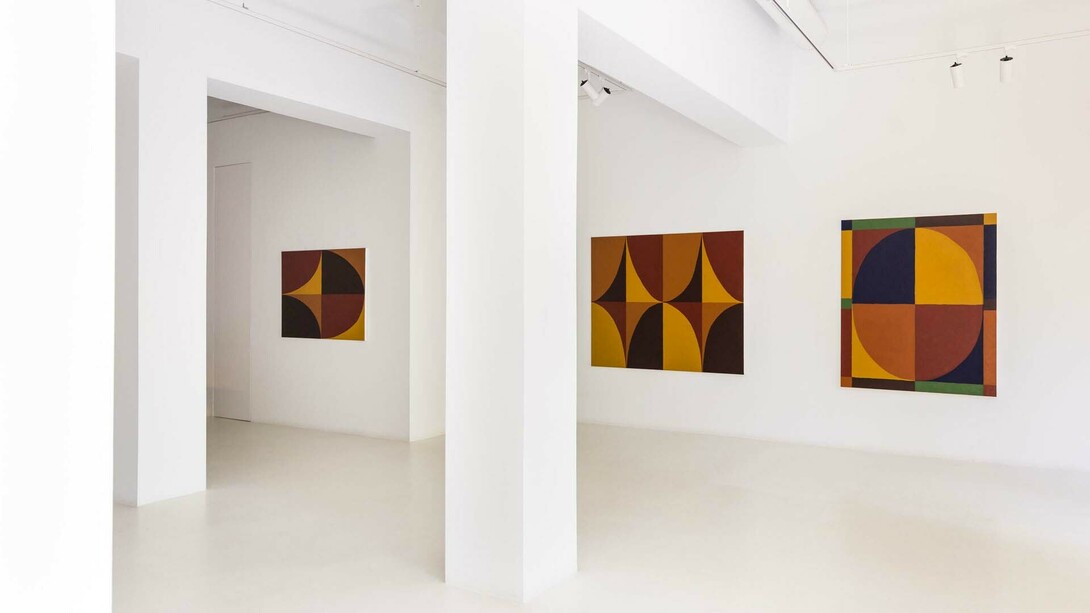
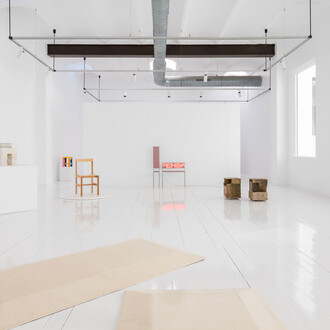
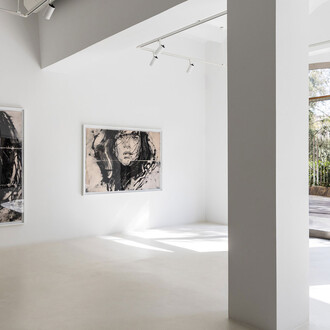
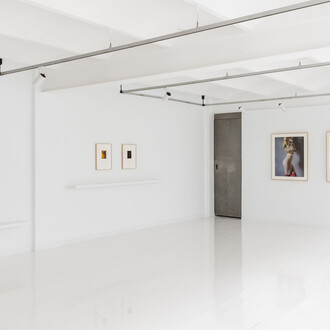
Alzueta Gallery is proud to present Primera pedra (First stone), a solo exhibition by catalan artist Jordi Clotet Saló (El Masnou, Catalonia, 1994). The exhibition will open on June 25, coinciding with the launch of the Art Nou Festival 2026, and will remain on view until September 2 at Alzueta Gallery Barcelona Turó. Throughout his career, Clotet has worked across multiple disciplines, engaging in a transmedial practice that brings together painting, craftsmanship, set and object design, and art direction. In his work, the artist draws on memory, nostalgia, and the observation of nature to approach natural processes as archives of time, pressure, and transformation.
Primera pedra refers to the paradoxical feeling of always being at the beginning. As if every action were an initiation and never a continuation; as if the present, increasingly narrow and immediate, ended up erasing the past and conditioning any idea of the future. It is in this constant repetition that the latent irony of the first step emerges: building from a place that appears temporary, even when it already exists and rests on solid foundations.
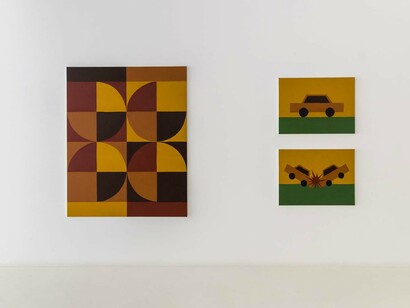
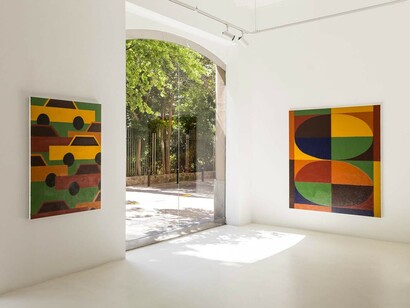
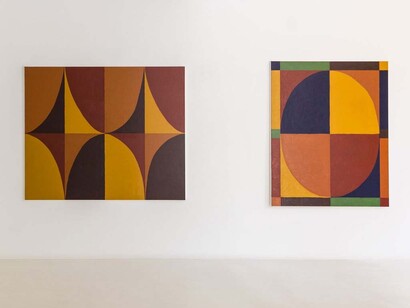
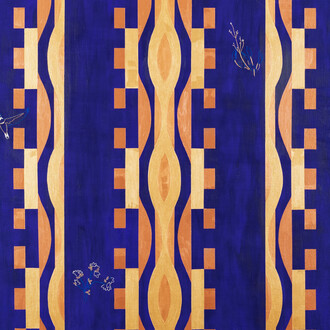
Thus, Jordi Clotet’s painting is not explanatory or conceptual; rather, it emerges from the sensory nature of perception and from the use of colour as a sensitive surface that transforms the space it inhabits, generating rhythm and reflections. The earthy, oxidised tones, reds, yellows, or greens derived from pigments linked to iron oxides, cobalt, and chromium, establish a direct relationship with his sculptural and material practice. These pigments are extracted from a quarry in Zaragoza and processed locally, a proximity that reinforces the artist’s attention to the origin and traceability of the materials he works with. Iron, its oxidation, and the physical transformation of matter are here translated into painterly language, making painting a natural extension of a research practice that runs throughout his work. This attention to primordial materials is also the “first stone”: a constant return to origins, to what precedes any construction and contains, in potential, all its future transformations.
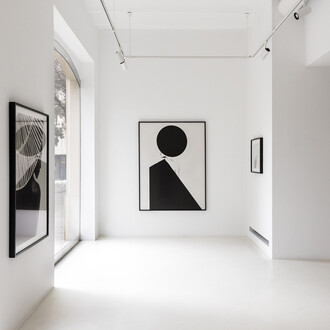
In some of these canvases, cars or houses appear depicted in a schematic, almost archetypal manner. Rather than an explicit critique, these images offer an ironic observation of certain modern symbols of progress and personal fulfilment. The vehicle and the home, once emblems of autonomy, future, and stability, are here reduced to essential forms, almost abstract, as remnants of a collective promise that is increasingly ambiguous and fragile.
Without narrative or monumental intent, Primera pedra proposes a space in which painting is direct, sincere, and aware of its own productive futility, laying bare the absurdities and stereotypes of the present. At the same time, it consistently seeks criticism and the viewer’s own interpretation, while transforming the space through detail and subtlety in an attempt to improve life.