English
 Español
 Français
 Deutsch
 Italiano
 Português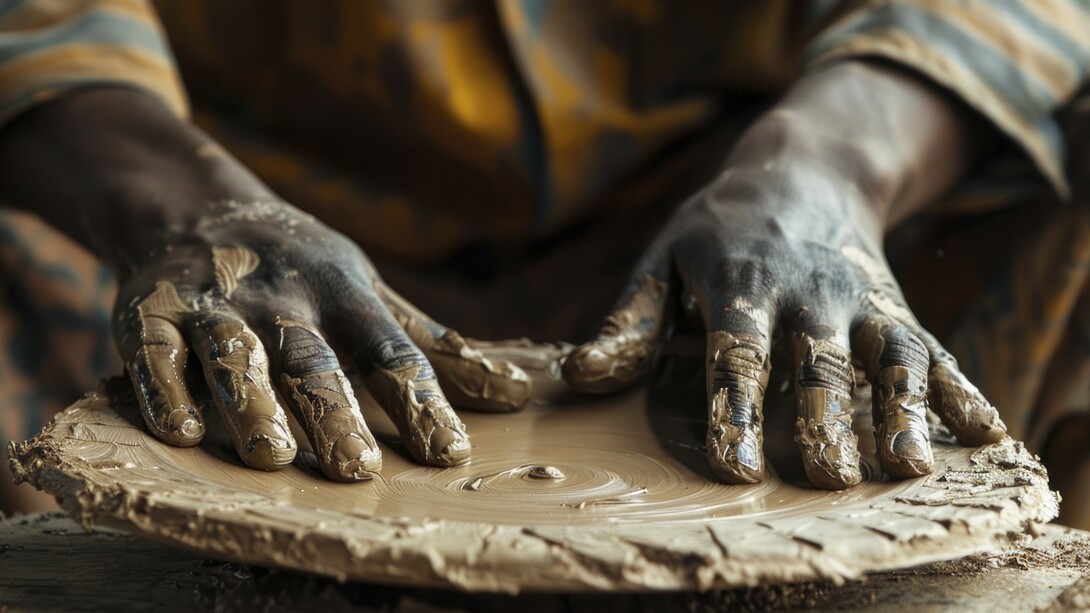
African art was not initiated in galleries or exhibitions. It was conceived in open courtyards, sacred groves and in the rhythm of ordinary life. It existed in the hands of sculptors, weavers, potters and painters who knew that creation was not distinct from existence. Art was not created to be used as decoration; it was meaningful, identity and memory. It celebrated births, the dead, harvests, and led the communities through rituals. Each work possessed its purpose, and each shape possessed its voice, which people could perceive without the necessity to be explained.
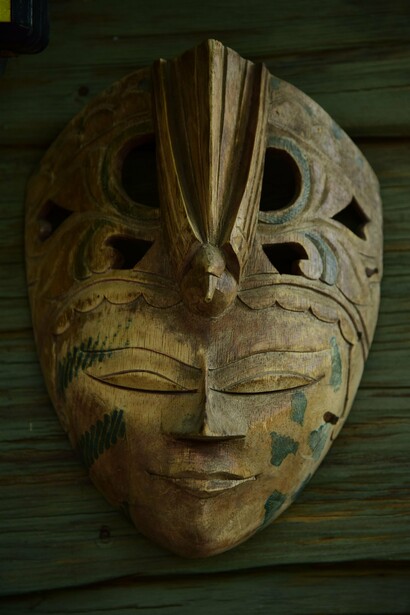
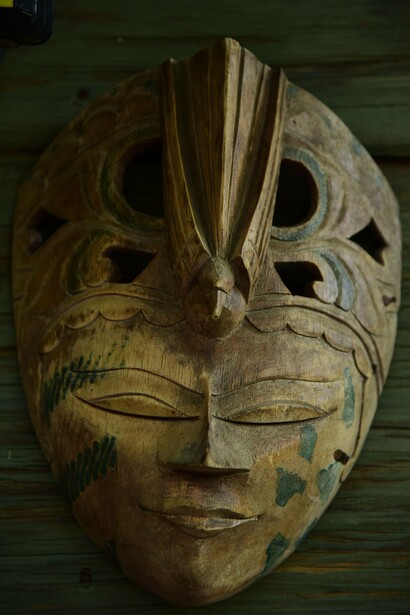
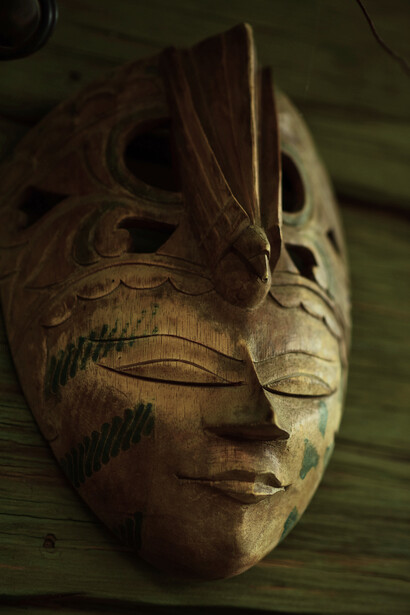
Artistic expression on the continent acted as a language on its own. Masks, e.g., were not merely chiselled wood made into the shape of a human being or an abstract object; they were containers of change. They were used to link the living with the ancestors or the spiritual forces when they were worn. Sculptures were not mere figures but they represented authority, fertility or protection. Social status, age and belonging were conveyed through beadwork and textiles. By so doing, African art narrated stories that were not witnessed but experienced, stories that changed with each generation, although based on belief systems.
This profound association of art and life made African creativity interactive. Property was not personal but communal and based on purpose and not possession. It was a carving and a ceremonial object, not a collector. A mural was the property of a community, not a market. Artists were revered, however, they were perceived as the transmitters of inherited knowledge, but not lonely geniuses. Tradition guided creativity but was never strict. It changed to adapt to changing conditions, new forces and changing social realities without losing its core. The entry of colonial powers upset this balance in a manner that transcended well beyond the political and economic.
The explorers, missionaries and administrators of Europe encountered the art of Africa and perceived it in new contexts. Others rejected it as primitive since it was not comparable to the European standards. Others realised it was different but to possess and not comprehend. Culturally and spiritually important objects were taken out of their contexts, usually in the course of violent conquests or in exploitative trading connections. These objects lost their meaning as they took off the continent. A mask that was in a museum could no longer dance. A sculpture out of a shrine could not be used any longer to serve its religious purpose.
The change of the living artefact into the static exhibition altered the perception of these works. What once was a vibrant cultural system was segregated, named, and defined. The tales that were contained in them were even more difficult to reach, particularly to the communities they were stolen. The effects of this loss were both apparent and not. With the loss of important objects, entire traditions were undermined. Cultures that were based on the use of certain items could not be practiced alike. The younger generations were raised out of touch with tangible fragments of their heritage and only had access to fragmented oral histories. Memories of the culture that had been strengthened with the help of both the narrative and the object were no longer complete.
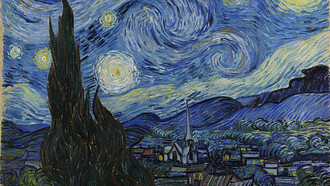
This lack left an empty place, one that spanned not only art but also identity. Simultaneously, African art started to shape the art trends of the world, and it was frequently not recognized. European artists were exposed to these forms and were inspired by their abstraction, symbolism and emotive power. African design also contributed to the modern art movements, but the creators themselves were mostly unknown. The admiration of the art did not give the appreciation of the beginnings. Rather, African creativity was consumed by the world narratives who hardly gave credit where due. African art has a complicated status in the global market today. It is a very highly regarded art form where both ancient and modern art have gained a global interest and new investments are being made.
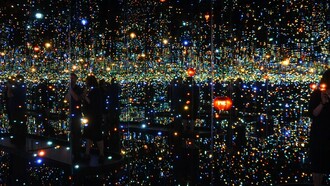
African pieces are displayed in galleries and auction houses as valuable cultural resources. Nevertheless, a good part of the most renowned art of Africa remains off the continent in foreign museums where ownership and restitution is still being debated. The issue of who can own and showcase such works is yet to be resolved. To most African musicians, making it in the international market is a challenge in itself. Although their work is attracting more attention, access to resources and networks, as well as equitable pay, is not always ensured. In other instances, intermediaries have an advantage over the actual creators.
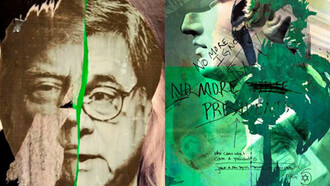
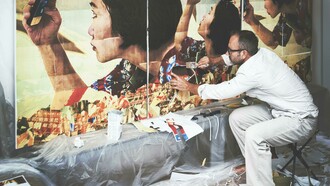
The African art story continues to be defined by foreign voices, which dictate the understanding and appreciation of the art. Such inequality is indicative of larger disparities that exist in the cultural economy of the world. African art has survived against all odds, blossoming with great resilience. Modern artists are challenging the definition of creating in the local and global context. They are fusing old style with new themes, venturing into identity, migration and social change. They are narrating new tales and at the same time retaining their links to old ones. They are seeking platforms to present their work on their own terms, through digital platforms and new art spaces all around the continent.
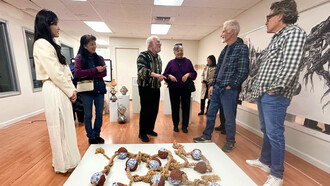
There is also an increasing attempt to re-link with what was lost. Cultural institutions, communities, and scholars are also striving to record histories, conserve knowledge, and demand the restoration of displaced artefacts. The narratives of the original objects are being reclaimed through research and narration, even in the cases when the original objects are held abroad. This is not only a process of retrieving the past but also regaining continuity across generations.
African art has withstood erosion, misunderstanding and metamorphosis but it has not lost its voice. It still talks in both old and new ways with the burden of history and the promise of the present. The story of its journey is full of loss and survivorship. With the world taking a closer look, there is a possibility of going beyond appreciation to understanding and equality.
African art was not to be restricted in glass cases or remote collections. It was designed to move, to educate and to bridge people through time and space. That aim has not faded away. It is alive in each work, on the continent or outside the continent, to be perceived not as an object, but as a narrative that is being read.