English
 Español
 Français
 Deutsch
 Italiano
 Português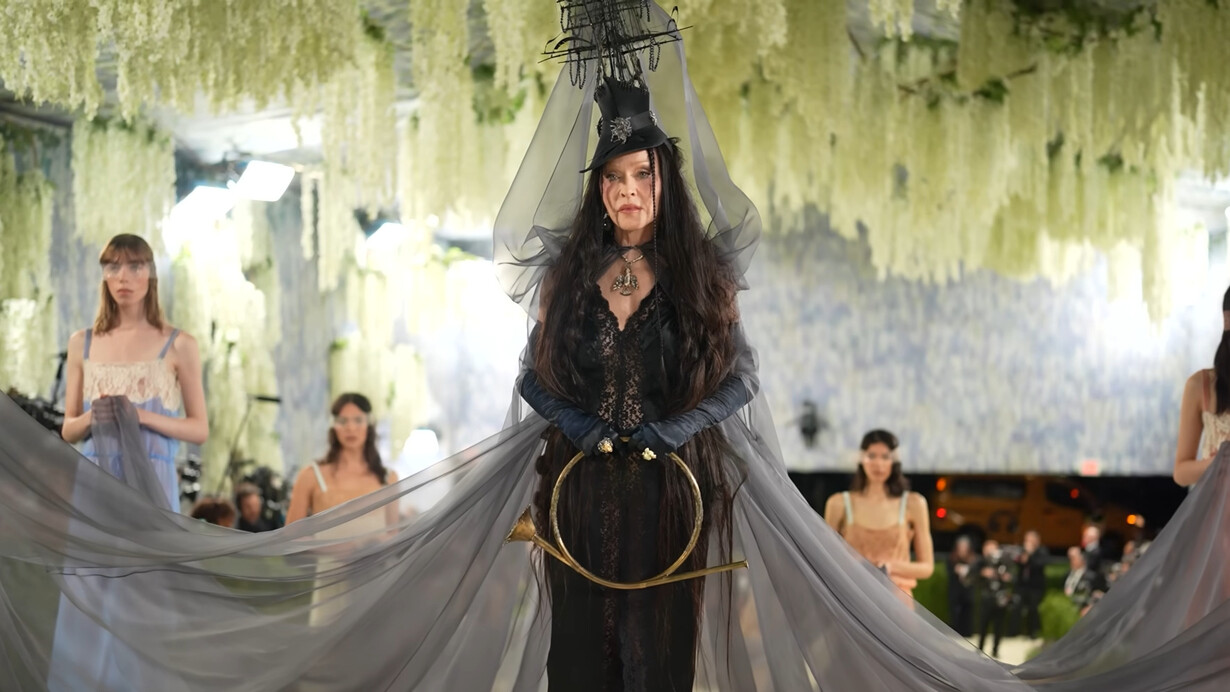
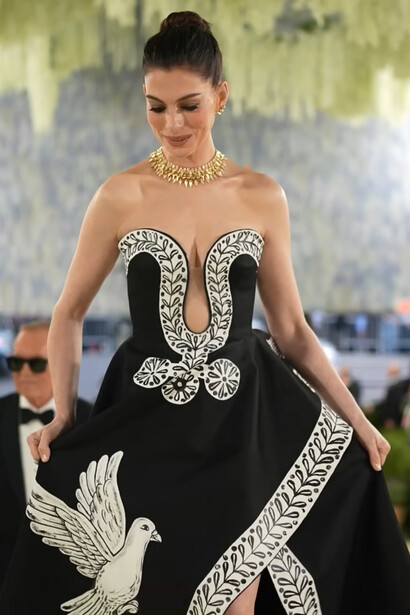
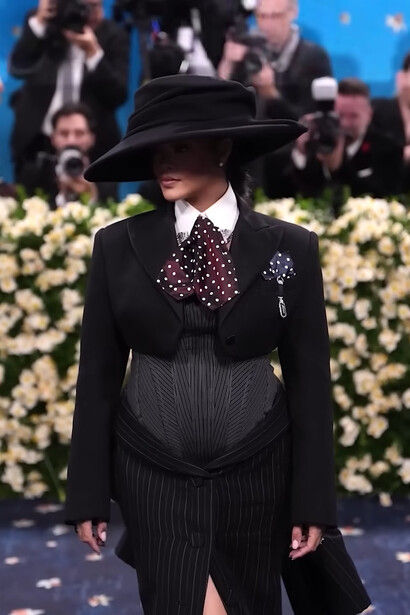
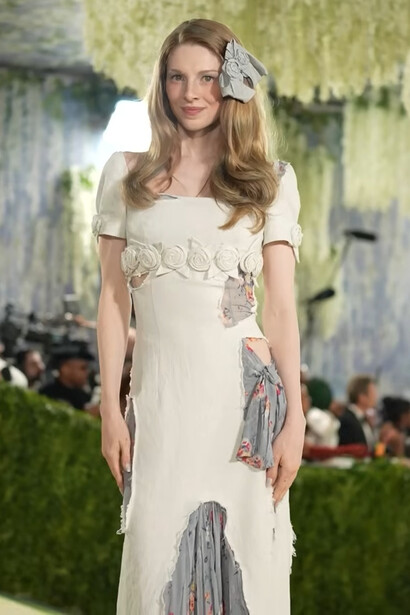
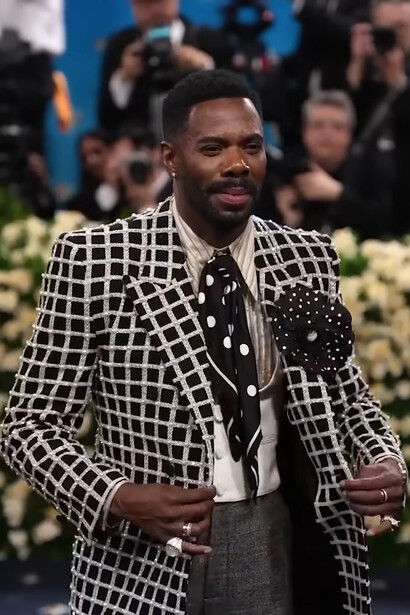
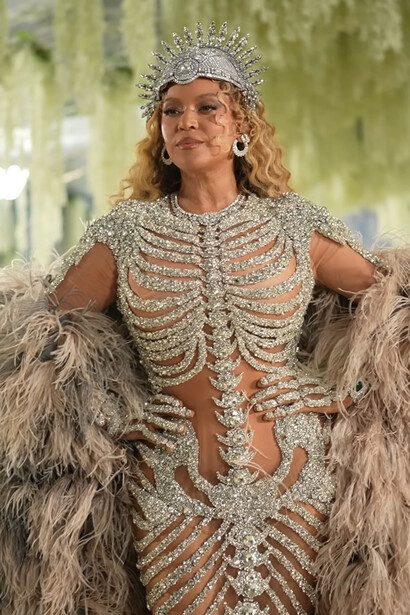
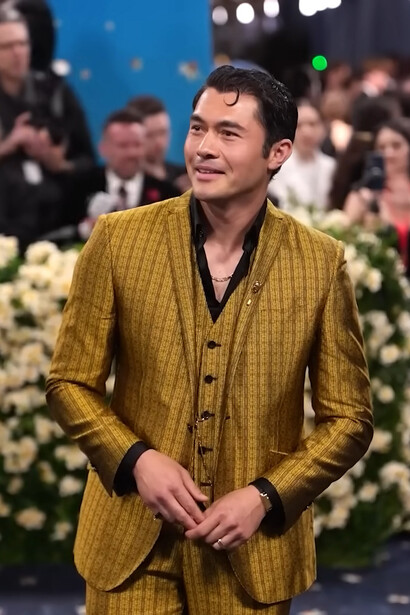
Every year, on the first Monday of May, the fashion world seems to stop for one event: the Met Gala. Celebrities climb the famous stairs of the Metropolitan Museum of Art wearing extravagant gowns, dramatic headpieces, crystal-covered suits, and sometimes outfits so theatrical they become internet history within minutes.
For many people, the Met Gala feels like the fashion equivalent of the Oscars, but its origins are far more modest than the dazzling spectacle audiences know today. Behind the viral red carpet moments and luxury fashion lies a fascinating story about art, society, celebrity culture, and the transformation of fashion into a global cultural force.
The Met Gala was created in 1948 by fashion publicist Eleanor Lambert. Often called the “godmother of American fashion,” Lambert wanted to raise money for the newly founded Costume Institute while also giving the American fashion industry a stronger cultural identity. At the time, Paris still dominated the luxury fashion conversation, and American designers were fighting for recognition.
The first Met Gala was not the extravagant costume event people imagine today. It was simply a midnight supper held in New York, where tickets cost around fifty dollars. Guests wore elegant eveningwear, but there were no dramatic themes, no giant trains, and certainly no viral social media reactions. The event was primarily attended by wealthy New York socialites, designers, and members of high society.
Everything changed decades later when Diana Vreeland became involved with the Costume Institute in the 1970s. Vreeland introduced the idea of theatrical exhibitions centered around strong concepts and storytelling. Instead of treating fashion as simple clothing, she framed it as art, history, fantasy, and cultural expression.
This creative vision transformed the gala into something much more exciting. Themes became central to the event, encouraging guests to dress according to an artistic concept connected to the museum exhibition. Suddenly, the gala was no longer just a fundraiser; it became a performance.
Over time, the event evolved into one of the most exclusive invitations in the world. Today, being invited to the Met Gala represents status, influence, and cultural relevance. Designers carefully select celebrities to wear their creations, knowing the event generates enormous global attention. In many ways, the red carpet has become a marketing stage where fashion houses compete to create the night’s most unforgettable image.
Much of the Met Gala’s modern identity is connected to Anna Wintour, who has overseen the gala since 1995. Under Wintour’s leadership, the event became even more influential, merging celebrity culture, luxury fashion, art, music, cinema, sports, and social media into one carefully curated experience.
Wintour is famously selective about the guest list. Even wealthy individuals cannot simply buy access to the event without approval. Designers often purchase tables costing hundreds of thousands of dollars, then invite celebrities, musicians, actors, athletes, or internet personalities who align with their brand image. This exclusivity is part of what makes the gala so fascinating to the public.
One of the most interesting aspects of the Met Gala is how its themes reflect cultural conversations happening around the world. Some exhibitions celebrate historical designers, while others explore religion, technology, camp aesthetics, or the relationship between fashion and identity.
In 2018, for example, the theme “Heavenly Bodies: Fashion and the Catholic Imagination” became one of the most successful exhibitions in the museum’s history. Celebrities arrived wearing elaborate looks inspired by religious art, Renaissance paintings, and church symbolism. Rihanna appeared dressed like a glamorous pope, creating one of the most iconic fashion moments of the decade.
Another unforgettable year was 2019’s “Camp: Notes on Fashion,” inspired by writer Susan Sontag and her famous essay on camp aesthetics. The theme encouraged humor, exaggeration, fantasy, and theatricality. Outfits became larger, brighter, and more surreal than ever before. Celebrities arrived dressed in feathers, giant bows, chandeliers, and color explosions that blurred the line between fashion and costume design.
The Met Gala has also become known for producing unforgettable celebrity moments beyond the clothing itself. In 2014, a photo of several celebrities inside the museum bathroom became legendary online because photography is technically prohibited during the event. The image included stars such as Kim Kardashian, Kylie Jenner, and Dakota Johnson, showing how social media culture was beginning to influence even the most exclusive spaces.
Perhaps no celebrity has embraced the theatrical spirit of the Met Gala more consistently than Lady Gaga. In 2019, she transformed the carpet into a live performance by revealing four different outfits in succession while posing for photographers. The moment perfectly represented how the gala had evolved into entertainment as much as fashion.
The event has also sparked discussions about cultural appropriation, representation, and inclusivity. Because themes sometimes reference historical cultures or religious imagery, guests and designers are frequently criticized when outfits appear disrespectful or stereotypical. These controversies demonstrate how fashion is deeply connected to broader conversations about identity, politics, and cultural sensitivity.
At the same time, the Met Gala has become increasingly diverse over the years. Earlier editions were dominated by wealthy socialites and fashion insiders, but modern guest lists include musicians, athletes, filmmakers, activists, and digital creators from different backgrounds and industries. This expansion reflects the changing definition of celebrity in the social media era.
Social media completely transformed the reach of the Met Gala. Before platforms like Instagram and Twitter, only fashion magazines and television audiences closely followed the event. Today, millions of people around the world instantly react to every outfit in real time. Memes, debates, rankings, and commentary spread across the internet within seconds.
This digital attention has increased pressure on celebrities and designers to create memorable looks. A simple, elegant dress may no longer be enough to dominate online conversation. Many attendees now aim to create “viral fashion moments,” leading to increasingly dramatic designs.
One famous example came in 2021 when Kim Kardashian arrived wearing an entirely black, covered outfit by Balenciaga, including a face mask that hid her identity completely. The look generated endless discussion online because it challenged traditional ideas of celebrity visibility and glamour.
Food and rules inside the Met Gala are also surrounded by mystery. Certain foods, such as garlic, onions, and bruschetta, are reportedly avoided because organizers want to protect the guests’ outfits and maintain elegance. Smoking and social media posting are technically discouraged, although celebrities often ignore these restrictions.
Another interesting detail is that many attendees train for months before the event. Designers spend thousands of hours constructing garments, while celebrities prepare physically for the intense attention of the red carpet. Some outfits are so heavy or restrictive that stars require assistants just to walk up the museum stairs.
The staircase itself has become one of fashion’s most recognizable stages. Unlike traditional red carpets, the Met Gala entrance forces celebrities to slowly climb a long staircase while photographers capture every angle. This architectural setting creates dramatic visual moments that have helped define the event’s identity.
Although many people focus only on celebrity appearances, it is important to remember that the gala remains a fundraiser for the Costume Institute. The event raises millions of dollars every year to support exhibitions, acquisitions, and preservation projects dedicated to fashion history. In this sense, the Met Gala plays an important role in maintaining fashion as an academic and artistic discipline.
Fashion exhibitions were not always taken seriously by museums. For many years, clothing was considered less important than painting or sculpture in the art world. The success of the Met Gala and the Costume Institute helped change that perception. Today, fashion exhibitions attract enormous audiences and are widely recognized as legitimate cultural experiences.
The gala’s influence extends beyond luxury fashion houses. Trends seen at the Met Gala often inspire beauty looks, fast fashion collections, editorial photography, and even Halloween costumes. A single successful appearance can redefine a celebrity’s public image or introduce a designer to a global audience overnight.
Despite its glamorous reputation, the Met Gala also represents fantasy and escapism during difficult times. Audiences enjoy seeing creativity without limits, especially in a world often dominated by political tension and economic uncertainty. For one evening, fashion becomes a form of storytelling where imagination takes center stage.
At its core, the Met Gala is fascinating because it exists at the intersection of art, celebrity, business, and spectacle. It celebrates craftsmanship while also embracing performance and media culture. Few events manage to combine historical fashion references with internet virality so successfully.
More than seventy years after its creation, the Met Gala continues to reinvent itself while maintaining its central purpose: proving that fashion is much more than clothing. It is identity, communication, fantasy, history, and cultural expression all at once.
And perhaps that is the true reason why millions of people continue watching every year. The Met Gala is not simply about who wore the best outfit. It is about witnessing fashion become theater on one of the world’s most famous staircases.