English
 Español
 Français
 Deutsch
 Italiano
 Português
Fashion is often dismissed as superficial, a fleeting obsession of vanity and trade. But this judgment devalues its depth and cultural richness. Fashion is more than being up to date or being attractive to behold. It is integral to how we appear, how we relate to others, and how we locate ourselves in time and place. It is the intersection of art, psychology, politics, and identity. What we wear daily is not just a practical decision, but an intellectual one. Whether we know it or not, we're making assertions about ourselves, what's important to us, and the way we think about the world. When seen through the lens of philosophy, fashion is far beyond fiber and shape, it's a language, a construct of society, and an even existential means of expression.
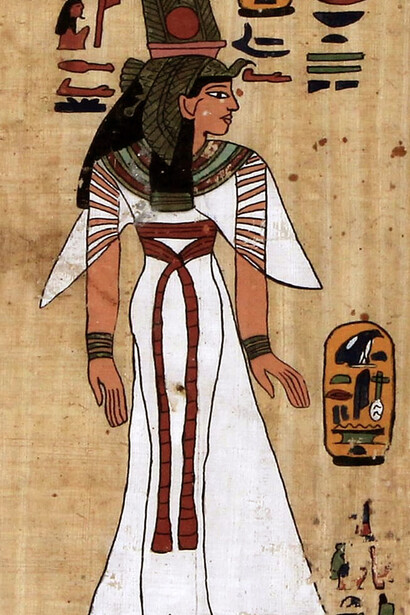
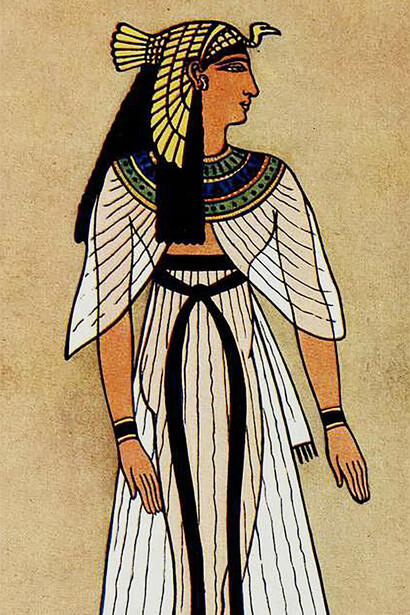
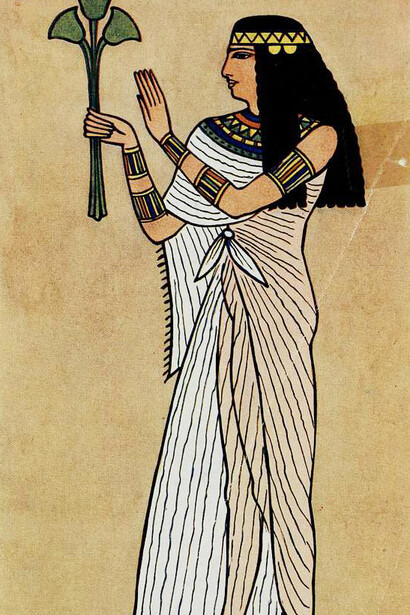
Well before the fashion world was born, clothes already imbued deeper significance. In ancient societies, fashion was associated with power, religion, and social structure. In Ancient Egypt, clothing represented godly status, ranking, and ritual. Pharaohs such as Cleopatra donned linen tunics, gold accessories, and ornate headdresses not only for aesthetics but also as representations of authority and divinity. Kohl eyeliner, which was applied by both sexes, was not just make-up; it was spiritual protection and a status symbol. Fashion in Ancient Rome varied by role and status.
Senators wore togas with purple trim, representing power. Philosophers wore simple tunics, indicative of their Stoic code of restraint and prudence. Gladiators wore stylized armor designed to emphasize strength, bravery, and spectacle. Clothing was personal, as well as political. Even at that point, fashion was already communicating a lot about systems of belief, social values, and roles for individuals.
Fashion as identity
Fashion in its simplest form is a powerful means of expression. What we wear can be an affirmation of who we are, or of who we want to be. From the slash of a jacket to the shade of color, our dress often expresses interior narratives. Consider the uniform as a badge of profession and duty, or punk style as an act of rebellion. Fashion in this sense becomes an extension of our own philosophy: a method of doing identity in a world that is always seeking to define us. Philosopher Roland Barthes referred to fashion as a "system of signs", a language through which meaning is generated. Just like words generate ideas, garments generate perception. A capsule wardrobe might imply an inclination towards minimalism and tidiness. Vintage clothes may imply nostalgia or environmentalism. Each decision, conscious or subconscious, speaks.
Fashion and society
Fashion is not isolated. It is entangled in culture, economics, and politics. It is a commentary of the zeitgeist, whether in the decadence of the 1920s, the 1960s counterculture, or gender-bending fashion of the time. Fashion thinker Georg Simmel saw fashion as a tug-of-war between conformity and distinction. We want to blend in, yet we attempt to be different. Fashion satisfies both: it creates trends, then invites deflection. It's a paradox we grapple with daily. Moreover, fashion is used to reinforce or turn upside down social hierarchies. From designer logos as badges of affluence to street style's rise as a badge of cultural influence, what we wear is likely to express class, desire, and dissent.
The aesthetics of clothing
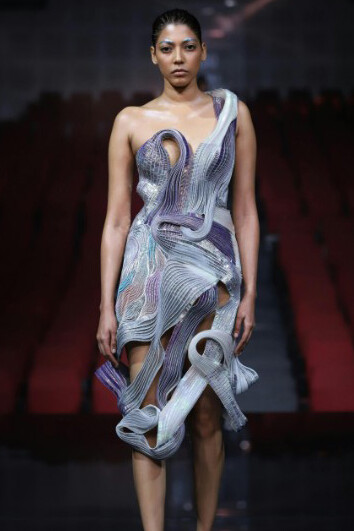
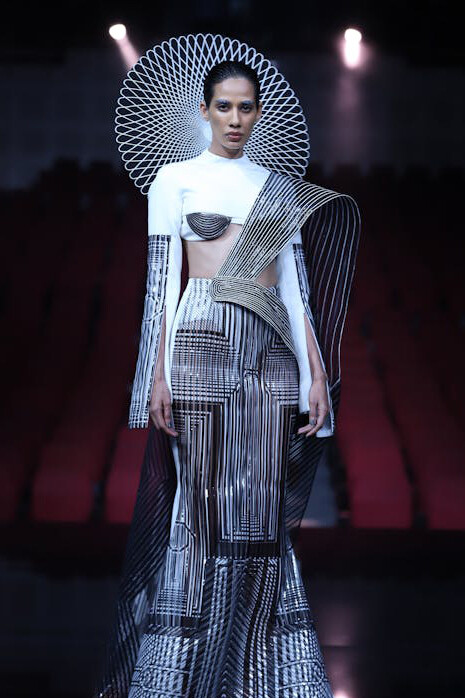
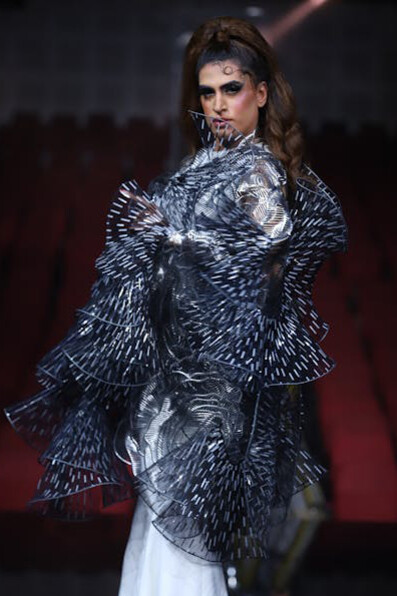
Fashion is as much about aesthetics and beauty. What makes a wardrobe "beautiful"? Is it the cut, the color, the context? Aestheticians have argued the nature of beauty for centuries, and fashion is solidly at the heart of that argument. The nature of fashion is fleeting, subjective, and intensely emotional. But it's also about technique, ability, and vision. Designers, as artists, must deal with material, space, and time. A catwalk show can be an exercise in philosophy: an examination of gender, of the body, or of the future. Fashion photography can be surreal, politicized, or poetic. Like art, fashion urges us to question our values and to expand our imagination.
Disconnect in an excess culture
Fast fashion, which is so cheap, so fast, and so disposable, poses essential ethical and philosophical questions. It is driven by the desire for newness and status, but too often disconnects us from meaning in the clothes we wear. The cost is being paid in human terms, from the sweatshop factory workers to the toxic factory conditions. So too the environmental cost: excess production, waste, and pollution. Clothes lose their essence in an era of fast fashion. They're no longer tools for expression, but commodities without history and closeness. Philosophical reflection about fashion is pushing back against this disposability, not merely what looks good, but what lasts, and what does matter.
This disconnection extends beyond the garments themselves. With fast fashion and manufactured social media identities ruling the current era, dressing up has become easier and more complicated. On the one hand, we have endless choice; on the other, rising detachment. We're drowning in options, but occasionally neglect the tales that underlie them. Conscious fashion makes us slow down, reconsider what we wear, who made it, how it affects the world, and what it indicates about us. Fashion, ultimately, is a reflection. It doesn't only reflect our world; it reflects our interior life as well. Behind every look is a query: Who am I today? And what would I like the world to see?