English
 Español
 Français
 Deutsch
 Italiano
 Português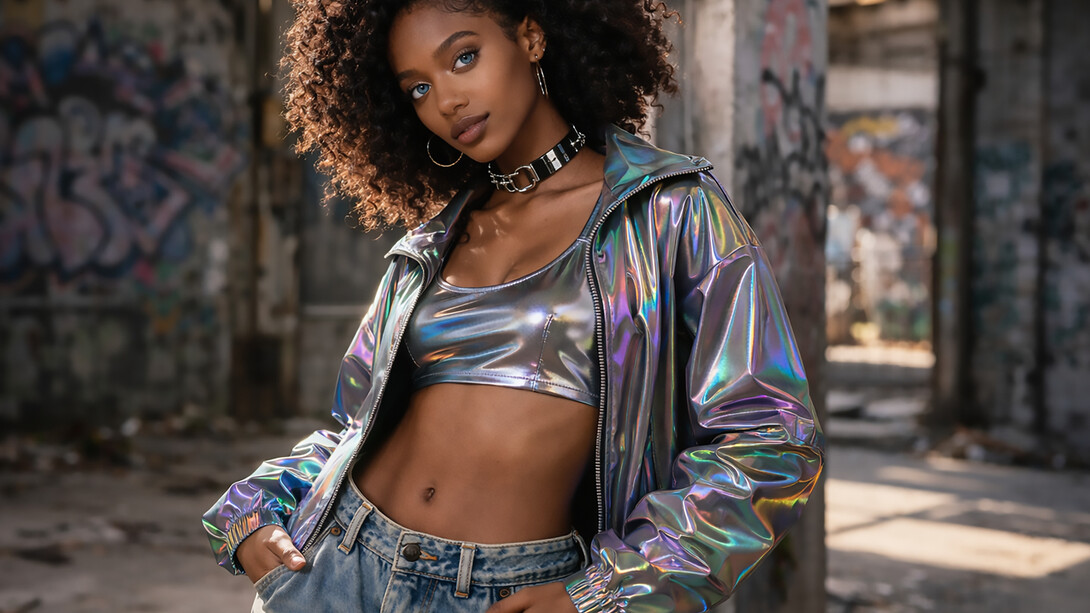
If you were born between 1995 and 2010, you remember very well the fashion icons, singers, and actresses who flooded our televisions and magazines. Who doesn't remember Paris Hilton, Britney Spears, and the teen stars of Disney? With their low-waisted looks, cropped tops, layered clothing, jeans, mini skirts, and colorful accessories. Legendary clothing styles that appeared not only in movies and TV shows, but also in the houses of every teenager or young adult. Now, do these looks feel familiar because they belong to your past — or because they’ve quietly made their way back into the present?
The truth is: 2000s fashion—often referred to as Y2K—is back in full force. To understand why this once-strange yet unmistakable aesthetic has returned, we need to look back at the cultural and fashion landscape of the early 2000s. The Y2K style blended futuristic nostalgia and ostentation, reflecting the pop, technological, and media-driven climate of the time. Celebrities, movies, and magazines dictated trends—what they wore, showed, and sold was considered "the standard," and this included not only clothing but also body type and attitude.
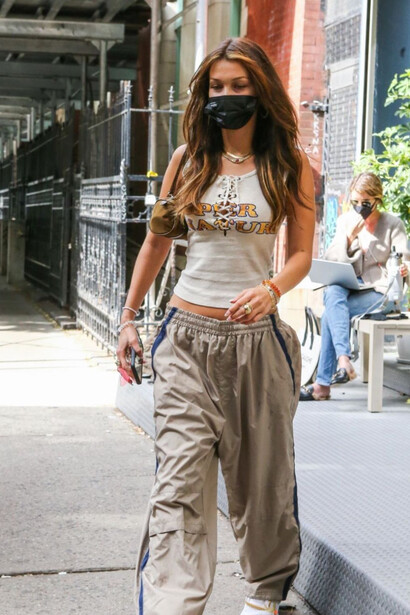
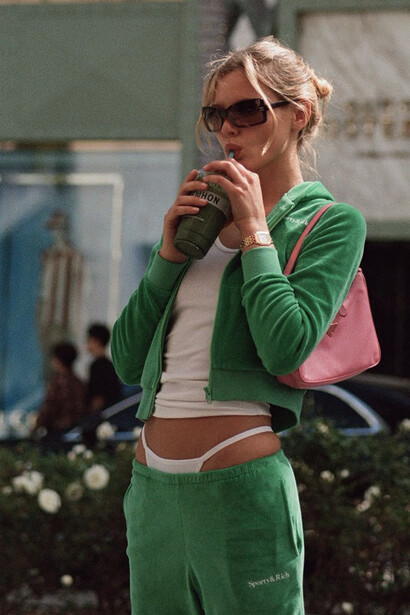
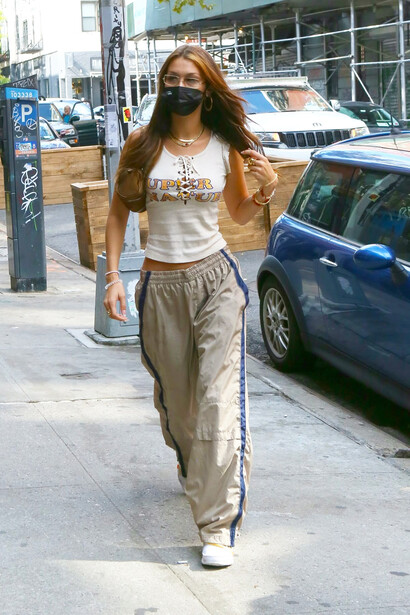
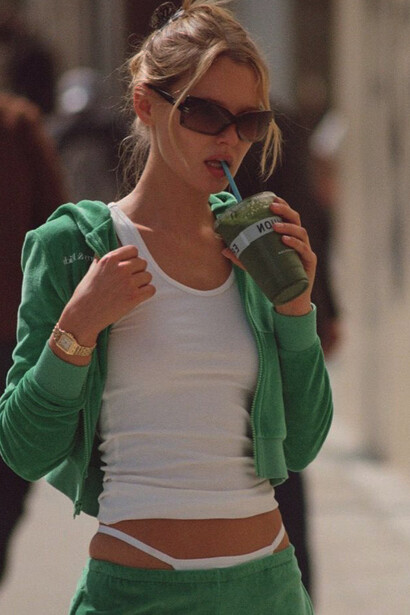
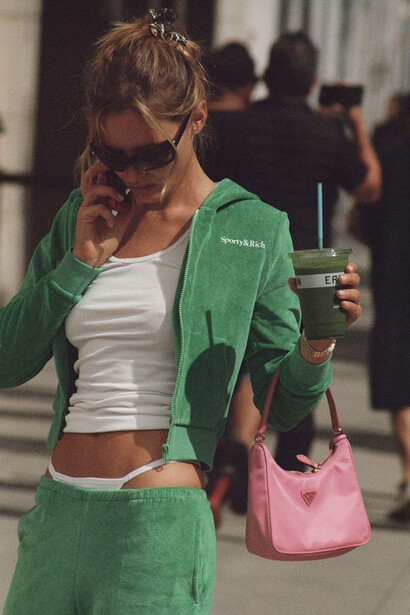
The trends of the time were marked by baby doll shirts, miniskirts, low-waisted jeans, shiny and metallic fabrics, and eye-catching accessories—such as huge glasses, bandanas, colorful bracelets, and necklaces—and the famous platform shoes. The style was also evident in makeup and hair.
One of the most creative and expressive features of the time was the colored hair, spiky buns, hairstyles with colorful or sparkly hair ties and clips, butterfly haircuts, Afro, and French braids with beads. More remarkable than that was the era's makeup, which featured metallic or shimmering eyeshadows, thin eyebrows, pink or peach blushes, and the famous cool tones of lipstick and lip gloss.
Movies like Mean Girls, Clueless, and 10 Things I Hate About You were and continue to be timeless films that strongly reflect the aesthetics of the 2000s. Stars like Hilary Duff, Amanda Bynes, Lindsay Lohan, and Reese Witherspoon graced the covers of every magazine and set the tone for early-2000s fashion. From low-rise jeans to crop tops, their style was copied by millions — and their slim, petite bodies became a widely admired, if unrealistic, ideal. All of this was part of a broader fashion movement of the time, shaped by a shared obsession with exposure, control, and excess.
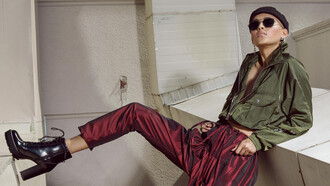
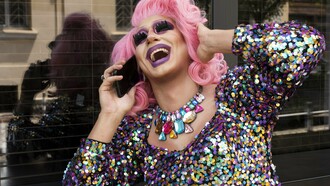
Although this might sound somewhat negative, the revival of 2000s fashion also has many positive aspects and reconnects Generation Z with its past. In this case, despite the return of Y2K fashion, it comes back with much greater aesthetic awareness and less submission to the rigid rules of the time. Also, unlike the 2000s, today the Y2K aesthetic is appropriated by different groups, body types, and genders. What was once exclusionary is now being reclaimed in more plural and inclusive ways.
What was once widely disseminated through television now goes viral through social media such as TikTok and Instagram. Because we are a very interconnected society today, fashion is more democratic, as different voices can participate in the fashion debate and also create micro-trends. The fashion of the 2000s is also returning, with a greater awareness of sustainability, and thrift stores are becoming increasingly familiar to the new generation. Therefore, several nuances of 2000s fashion and attitude have returned and are trending, but this revival carries with it a contemporary recontextualization.
It is important to understand that the return of the 2000s fashion is not accidental. It emerges from a broader cultural impulse to revisit periods associated with excess, optimism, and spectacle, particularly at a time when the present feels increasingly constrained. The pandemic period was characterized by a pervasive sense of uncertainty and hardship across all sectors, but it also deeply affected people who were forced to remain indoors, living in isolation and with limited freedom. It is in the post-pandemic context that the desire for escapism from the chaos of COVID emerges, along with the need for a return to bodily freedom and expression as a way to combat the extreme control and discipline of the past period.
Another reason for this return is also the cycle known as the 20-year cycle, where the fashion market ends up bringing back reinterpretations and adaptations of visual aesthetics from 20 years ago as a way to promote renewal and nostalgia. Fashion follows patterns, but it resists permanence. Rather than remaining fixed, it moves in cycles, reappearing and reinventing itself in response to changing cultural contexts.
But fashion never comes alone. Trends bring with them an expected, idealized body. In the 2000s, an extremely thin silhouette was the goal among female bodies; celebrities of the time proudly displayed their flat stomachs, thin legs, and visible bones. Thinness was widely promoted as a symbol of happiness, success, and self-improvement.
Popular media, fashion industries, and celebrity culture reinforced the idea that achieving a slim body was not only a beauty standard but also a moral accomplishment associated with discipline, control, and personal fulfillment. As a result, physical appearance became closely linked to notions of self-worth and well-being, shaping the way individuals—especially young women—understood happiness and self-perfection.
This didn't come out of nowhere. Y2K fashion is heavily inspired by 90s fashion, especially the aesthetic trend known as heroin chic. An extremely thin, pale, sickly, and androgynous appearance was highly valued by the societal standards of that time, a rather worrying and problematic mentality that already starts with the name. The romanticization of eating disorders and dangerous beauty standards continued from the 1990s to the 2000s, all supported by the media and the tabloids. In reality, these industries actively construct and reinforce this harmful ideal, promoting thinness as synonymous with beauty, happiness, and success to sustain consumer desire and maximize profit.
Fatphobic discourse, or the outright exclusion of bodies from society through the media, seems unlikely nowadays, since the current generation thinks a lot about inclusion and diversity. The body positivity movement emerged in the late 2010s epresents a clear example of this. But in the 2000s, jokes, indirect comments, or such speeches happened fairly frequently on screen, and almost always linked to female bodies.
Who doesn't remember the timeless film Bridget Jones's Diary? Renée Zellweger, the actress who plays the protagonist, was considered too overweight for the role, even though her body was far from that in reality. Even in the movie, the character was portrayed several times as overweight and outside the norm by those around her. Renée weighed 63kg at the time.
The rejection of bodies that didn't conform to the standards of the time and the idealization of beauty based on minimal bodies promoted by the elites actually occurred in a very natural, fluid, and constant way. Today, we understand how dangerous this fashion movement is, but in the 2000s, these behaviors were justified by false narratives that sought to manipulate people's minds. In that period, extreme thinness was not seen as a problem; in fact, it was considered a product of a healthy mind and body with discipline, self-control, and an ideal lifestyle.
And if you were outside the norm, you were considered a weak, disgusting, lazy person. Movies and series portrayed people outside the beauty standard as despised individuals who disgusted society. If you analyze films from the 2000s, especially those involving girls and women in their love lives, careers, and daily routines, you will notice how many contain discourses of repulsion towards bodies that do not conform to the skeletal beauty convention.
The fat-shaming of the 2000s was nothing more than a heavy cultural phenomenon, very influenced and spread by tabloids, weekly gossip magazines, TV shows, and paparazzi who constantly sought to portray people's bodies without their consent and in an embarrassing way. The body was always on display, subjected to ridicule and judgment.
Not only celebrities who were constantly monitored and criticized suffered from fat-shaming, but also children, young people, and women who found themselves surrounded by absurd societal pressure to achieve an unrealistic body image. People were liberally considered fat if they appeared in a bad photo angle, if they had rolls of fat when sitting down, if they were purely bloated, or if they appeared to have gained weight—we're talking 2 to 3 kg.
It's known that the 2000s are still magical for many people, and indeed, this era brings nostalgia, creativity, and a joy that we've carried since our childhoods. But we must remain vigilant, because this nostalgia is not neutral. The year 2000 also brings with it issues related to the human body that have been consciously, diversely, and inclusively addressed and rethought in recent years. It's very important to understand that even though fashion has returned and brought with it its particular characteristics, fashion needs to be understood as a selective memory. Not everything about Y2K fashion was bad, but not everything was good either.
The current return of this iconic period of our lives closes the cycle of minimalist fashion and Instagram fitness of the 2010s. It's great to be able to remember and experience the positive aspects of this fashion trend, but always with the awareness that we are no longer in the 2000s and the discourses and body standards imposed by society no longer influence and shape us as much as in previous years.
We see this when we look at different body types today that, despite aesthetic standards, wear crop tops, low-cut tops, low-waisted styles, short clothes, and aren't afraid to show their real bodies. This would never have happened in the 2000s, and it's beautiful to see that collective consciousness is evolving and improving.
Fashion is cyclical, but suffering shouldn't be. When revisiting the aesthetics of the 2000s, we need to separate what is expression from what was symbolic violence. The return of trends cannot mean the return of patterns that sickened an entire generation. The past can inspire—but it doesn't need to be repeated. It is possible to revisit Y2K with awareness, irony, and critical distance. Fashion can evolve, and what comes back, we choose.