English
 Español
 Français
 Deutsch
 Italiano
 Português
If you’ve never visited Mexico City, you probably have a visual in your head of busy traffic, crowded streets, the sound of yelling street vendors and a haze of pollution. But, beyond the dense urban jungle is a rich history of culture and art, some of the friendliest people you'll ever meet, and a cluster of small neighborhoods sitting side by side, each with their own style and charm.
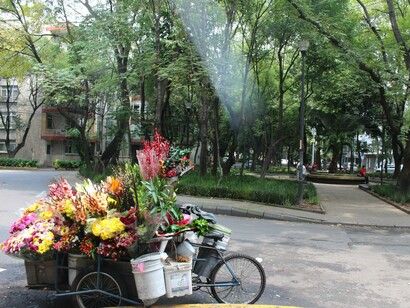
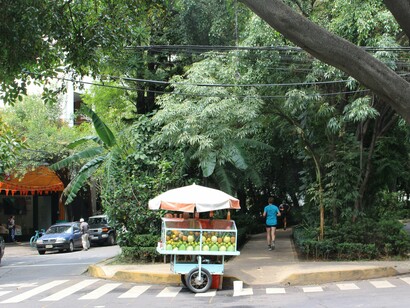
Most visitors fall in love with Mexico City in the enchanting Colonia (Neighborhood) of La Condesa. Any travel guide will recommend this area for first-time visits, as it is safe, pedestrian-friendly with lush vegetation, and full of beautiful architecture, world-class restaurants, cafes and independent local boutiques to explore.
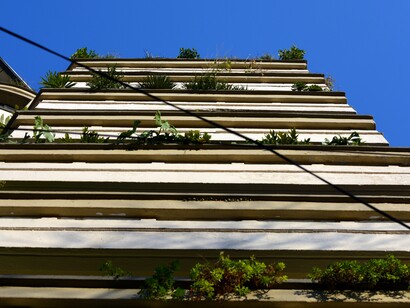
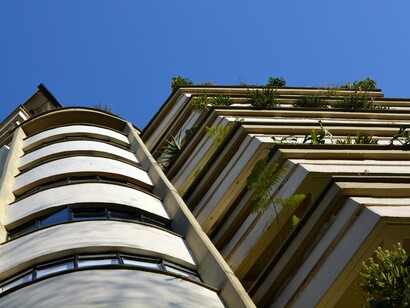
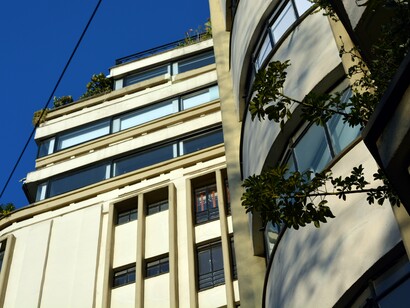
La Condesa is a must-see haven for Art Deco enthusiasts, as the streets are adorned with elegant, curved facades and intricate geometric motifs of the 1920s, where every corner reveals a new architectural gem. Specifically, Avenida Amsterdam at the heart of Condesa is one of the best places to explore Art Deco architecture in Mexico City. This area is built on a former racetrack turned leafy residential promenade, drawing admirers of design, history, and vibrant local life.
Origin of Colonia La Condesa
La Condesa gets its name from the Countess María Magdalena Dávalos de Bracamontes y Orozco, who was known as a prominent and educated figure at the viceregal court in 18th-century Mexico City. The countess (Condesa) once owned the land that now includes the tourist-friendly neighborhoods of Condesa, Roma, and Hipódromo.
During the early 1900s, Mexico City’s Jockey Club bought 300,000 square meters of land from the countess to build a horse racetrack. The racetrack was only used for a short time as the Mexican Revolution soon interrupted plans. As the area sat unused, The Jockey Club agreed to divide, develop, and sell the land where the racetrack had been. The land was then used to build homes in the new colonia, aiming to attract Mexico City's upper class.
These residents could afford top landscape architects and city planners, and they wanted wide streets, treelined avenues, and large public parks. Architect José Luis Cuevas led the project, designing a dynamic layout along the oval shape of the Hipódromo, now called Avenida Amsterdam.
The birth of Art Deco Architecture in Mexico
Art Deco in Mexico flourished in the 1920s and 1930s as the country rapidly modernized following the Mexican Revolution. Architects didn’t just copy international trends but mixed sleek geometry with vibrant Aztec motifs. The result is a striking original style that celebrates both Mexico’s spirit and ancient heritage.
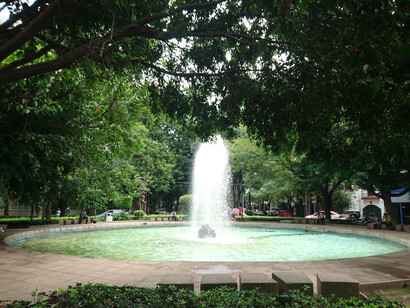
Most of the residential neighborhood along Avenida Amsterdam was originally designed by architects José Luis Cuevas, Juan Segura, and Francisco J. Serano in the 1920s style of Mexican Art Deco. The style quickly became synonymous with the city’s transformation into a cosmopolitan capital, spreading across residential, commercial, and public buildings. Cuevas kept the original loop of the racetrack but transformed it into an avenue with a center promenade featuring three roundabouts with fountains along its path. You will find Mexican/Deco tiled concrete benches with a lamppost at each intersection, creating a soft glow in the evenings.
Strolling down the avenue, you’ll see a mix of terrazzo stone entryways, bold geometric patterns throughout the facades, vibrant stained glass, and zigzag ironwork windowpanes and gates that tie the whole neighborhood together in Art Deco harmony. The center walking path is surrounded by a lush canopy of vegetation, filtered sunlight, and a tranquil atmosphere that makes strolling the avenue a memorable experience.
At the center of the Amsterdam promenade ellipse sits Parque México, surrounded by beautiful Art Deco buildings, perfectly mirroring the geometric motifs and classic design features of the neighborhood. Within the park you’ll find the bronze and stone Fuente de los Cantero's, an open-air amphitheatre with geometric pillars covered in bougainvillaea plants, and an iconic Clock Tower with its signature ironwork and chimes sitting next to a modern-day dog park. Parque Mexico has now become an icon of the entire Condesa area.
Modern day Avenida Amsterdam
Even after withstanding some of the most devastating earthquakes the capital has ever experienced, some of the best examples of this Art Deco Architecture still stand on Avenida Amsterdam. The carefully preserved details, rich history, and adaptive reuse demonstrate how historic architecture can remain relevant while continuing to enrich the modern-day city. For architecture enthusiasts, these buildings are more than beautiful landmarks but an enduring symbol of an era defined by innovation, elegance, and artistic ambition.
Avenida Amsterdam seamlessly blends Art Deco architectural heritage with a vibrant, modern lifestyle, retaining its historic pedestrian layout while hosting third wave cafes, international restaurants, galleries and local boutiques in the popular urban greenspace. On any given day you will see locals and tourists enjoying the promenade by taking a leisurely stroll, walking their perros and sipping their daily coffee.
Sadly, a few of the original Art Deco buildings have been demolished and replaced with a variety of modern architecture due to the city’s history of earthquakes. However, there has recently been a recent surge of revitalization in the area to commemorate 100 years since the birth of the residential project. The Mexican government is currently working to restore the iconic 1920s-era Mexican/Deco tiled concrete benches and lampposts along Avenida Amsterdam to preserve their unique Art Deco charm.
A walk along Avenida Amsterdam is a journey through one of Mexico City's most influential periods of growth and design. From elegant apartment buildings to beautifully preserved Art Deco landmarks, the avenue showcases the creativity, innovation, and sophistication that shaped the neighborhood nearly a century ago. As you explore these historic streets, you'll not only discover remarkable architecture but also gain a deeper appreciation for the cultural heritage and enduring character that make this area of Mexico City so unique.
Notable buildings to explore
For Architecture and design enthusiasts planning a trip to Mexico City, make sure to add the following iconic Art Deco gems along Avenida Amsterdam to your list.
The Hipódromo Building, 87 Avenida México
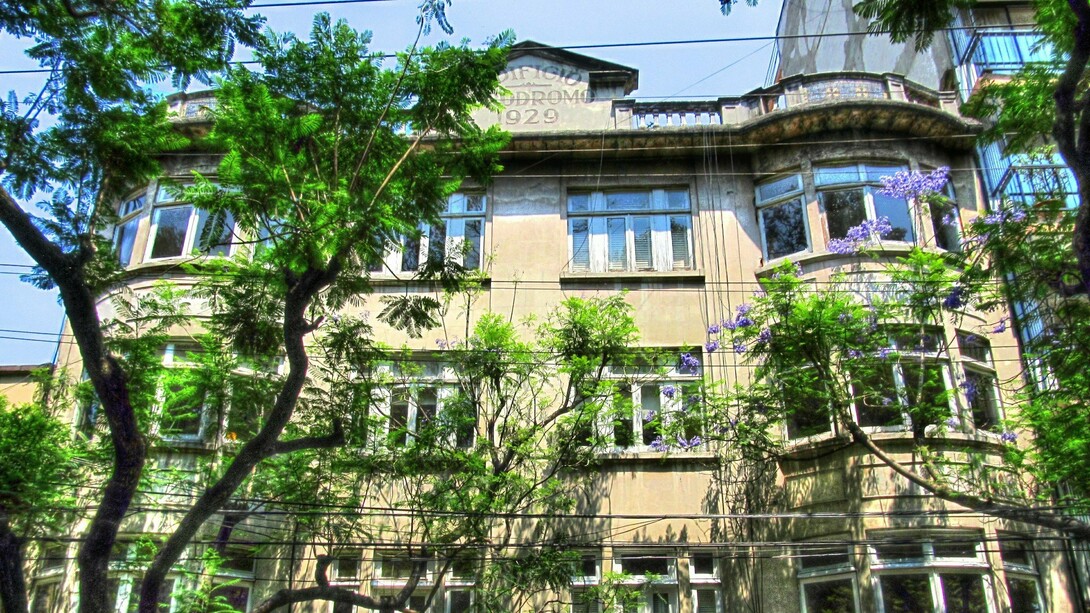
An apartment building constructed in 1929 as part of the change to the residential neighborhood remains one of the most beautiful examples of Art Deco architecture in this area, featuring broad windowpanes, Cantera stone balconies on the first floor, and a grand marble lobby.
The Basurto Building, 187 Avenida Mexico
An Art Deco building reminiscent of Parisian Deco and noted for its use of curved and straight lines in its form. It was built on irregularly shaped land which used to be the garden of a man named Basurto. The structure was designed by Serrano on Avenida México with a view of Parque México and the Popocatepetl Plaza fountain. A recent renovation has returned the building to its former glory.
Edificio Tehuacán, Avenida México 188
Built in 1937 by architect Ernesto Ignacio Buenrostro, Edificio Tehuacán is a classic example of Art Deco architecture in the Hipódromo neighborhood. Originally a 14-storey apartment building, it features geometric facade details, a distinctive marquee, and elegant iron lamps framing its entrance. Today, the building has been transformed into The Hipódromo Hotel, where visitors can experience its historic charm alongside modern comforts.
Edificio Casas Jardines, Amsterdam 285
Located on a busy corner across from a modern-day Starbucks coffee, this building is one of the finest examples of Art Deco architecture in the neighborhood. Completed in 1930, it was designed by engineer Francisco Serrano for the real estate company Casas Jardines SA. It is a three-storey residential building with commercial spaces on the ground floor and a landscaped terrace that serves as a common area. Architectural details such as the geometric textures on the facade, the splayed entrance with a canopy, and the bay windows topped with nature-inspired friezes stand out as grand examples of the Deco era.
Edificio San Martín, Avenida México 167
Designed by Ernesto Ignacio Buenrostro and completed in 1931. Known for its striking symmetry, decorative concrete reliefs, and intricate ironwork, the building remains a standout example of Art Deco design. After falling into disuse in the 1940s, it was carefully restored and renovated in 1999, preserving its architectural heritage for future generations.