English
 Español
 Français
 Deutsch
 Italiano
 Português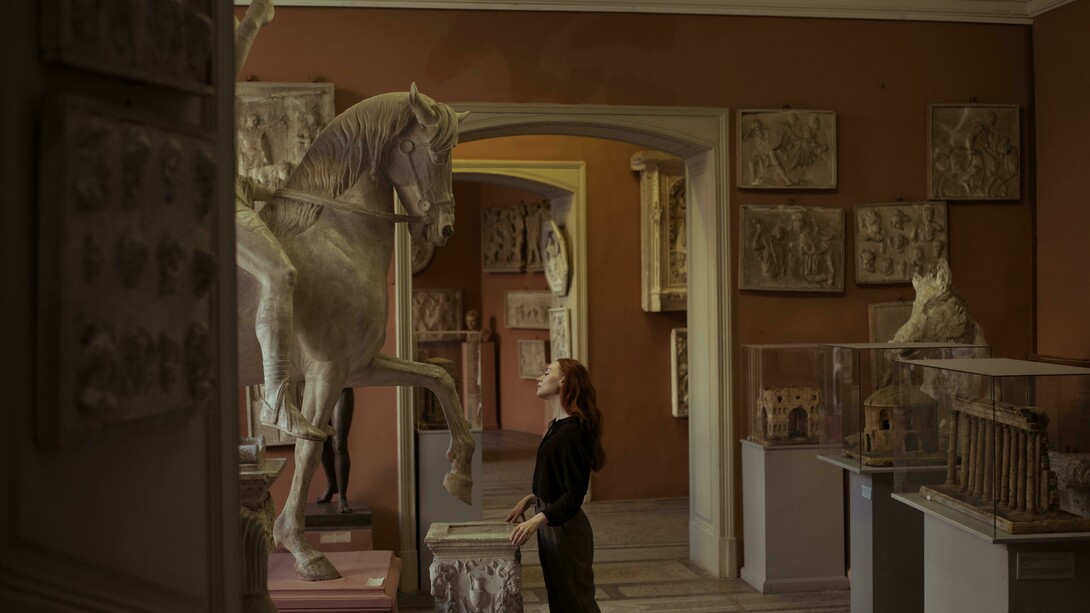
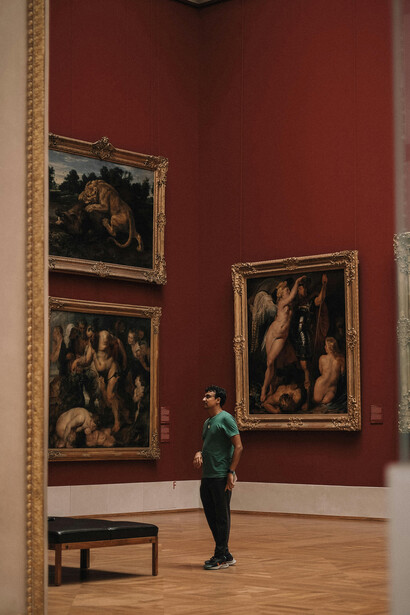
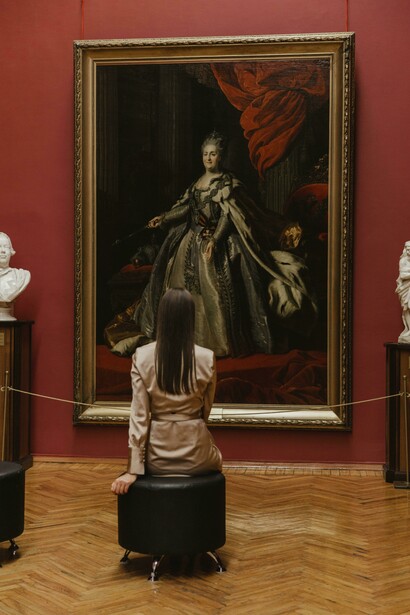
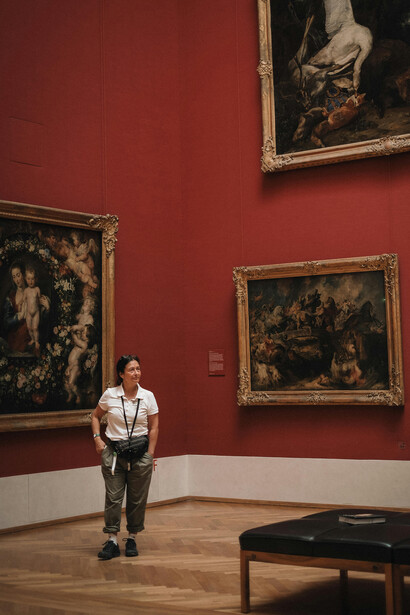
For centuries, museums and art galleries were designed as places of preservation. They protected objects, told stories of the past, and offered knowledge in a calm and structured way. The rules were clear. You looked, you read, and you moved on. Silence was part of the experience.
That idea has not disappeared, but it is no longer enough. Around the world, museums and galleries are changing their role. They are becoming places where people interact, participate, feel, and return not only to learn but also to experience. This shift is not accidental. It reflects how society has changed, how audiences think, and how culture now lives across both physical and digital worlds.
The transformation of museums is not about rejecting tradition. It is about survival and relevance. Modern audiences have very different expectations from cultural spaces. People are used to choice, personalization, and visual storytelling. They learn through screens, audio, movement, and interaction. Information alone no longer holds attention. Experience does.
As a result, museums and galleries are responding by redesigning not only exhibitions but also their entire identity. Many institutions now function as social spaces, educational hubs, creative laboratories, and digital platforms at the same time. The visit itself has become layered. A person might come for an exhibition, stay for a talk, interact with digital content, attend a workshop, and later continue the experience online.
This is why traditional museum formats feel quieter today. Not outdated, but incomplete on their own.
One of the biggest changes is how visitors are treated. In the past, the museum spoke and the visitor listened. Today, museums invite dialogue. Visitors are encouraged to ask questions, share opinions, co-create meaning, and even influence programming. Art galleries especially are opening their spaces for talks, performances, community projects, and cross-disciplinary events.
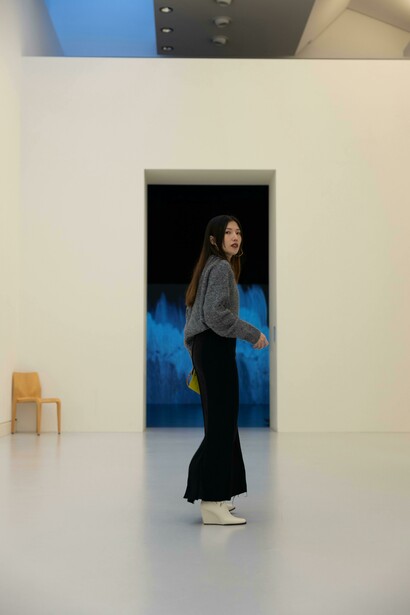
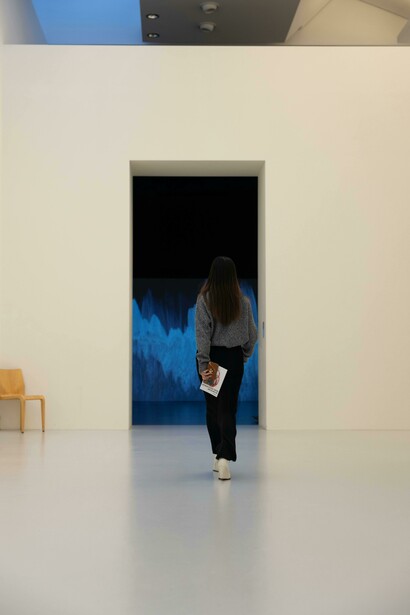
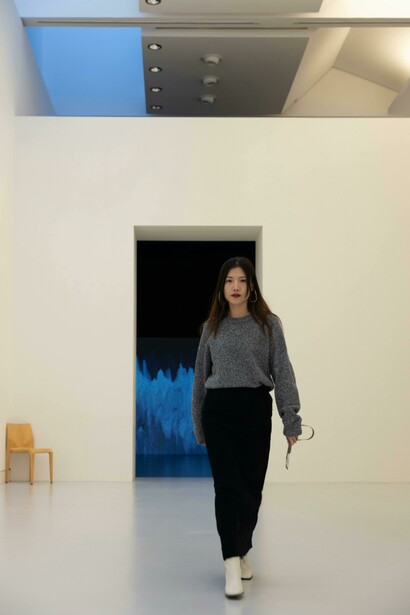
Another major shift is the rise of immersive environments. Instead of standing in front of an object, visitors step inside a narrative. Sound, projection, light, and movement are used to create emotional engagement. These formats attract people who may not consider themselves traditional museum visitors, including younger audiences and travelers who look for memorable cultural experiences.
Digital access has also changed expectations permanently. When museums expanded online during the pandemic, people discovered that culture could be accessed from anywhere. Virtual tours, online lectures, digital archives, and social media storytelling became part of daily life. Even after physical doors reopened, audiences did not want to lose this access. Museums are now expected to exist both inside buildings and beyond them.
This is where technology, including artificial intelligence, enters the picture. In reality, museums use AI in careful and limited ways. It supports research, helps organize large collections, improves search and translation, and assists with accessibility. AI does not replace curators or historians. It works behind the scenes, helping institutions manage knowledge and communicate it more effectively to diverse audiences. The goal is not automation, but connection.
This global transformation looks different depending on location. In Europe, where museums often hold centuries-old collections tied closely to national history, change tends to be gradual. Many European institutions focus on digital access, education, and immersive extensions while preserving traditional gallery spaces. Former industrial buildings have been transformed into digital art centers, allowing new formats to exist alongside classical museums.
In the United States, museums balance scholarship with strong public engagement. Open digital collections have expanded global reach, while experience-driven art spaces blur the line between exhibition, storytelling, and entertainment. These models show how art can remain meaningful while adapting to contemporary attention habits.
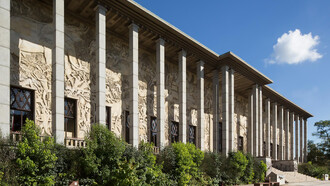
The United Arab Emirates presents a different and especially interesting case. Many of its major cultural institutions were built recently, which means they were designed with modern audiences in mind from the beginning. Museums in the UAE often combine architecture, technology, national storytelling, and tourism into one vision.
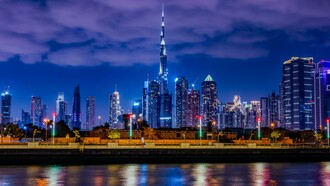
Abu Dhabi’s Saadiyat Cultural District reflects this approach clearly. Museums there are conceived as immersive, educational, and international spaces that speak to both local identity and global culture. Dubai, on the other hand, has developed a more dynamic, distributed, and futuristic ecosystem. Cultural spaces appear in creative districts, former industrial zones, and mixed-use developments. Art galleries, museums, studios, and performance spaces coexist, often supported by private initiatives and strong creative industry networks.
What unites these regions is the understanding that museums today are not temples of silence. They are places of movement, conversation, and shared experience.
This transformation is happening because people no longer consume culture passively. They want to feel involved. They want stories that connect to their lives. They want spaces that welcome them, not intimidate them. They want learning that feels human.
The new museum does not replace the old one. It builds on it. Preservation, research, and expertise remain essential. But they are now combined with storytelling, technology, and openness. The result is a more complex cultural space, one that reflects the complexity of the modern world itself.
Museums and galleries are no longer just about what they hold. They are about how they connect.