English
 Español
 Français
 Deutsch
 Italiano
 Português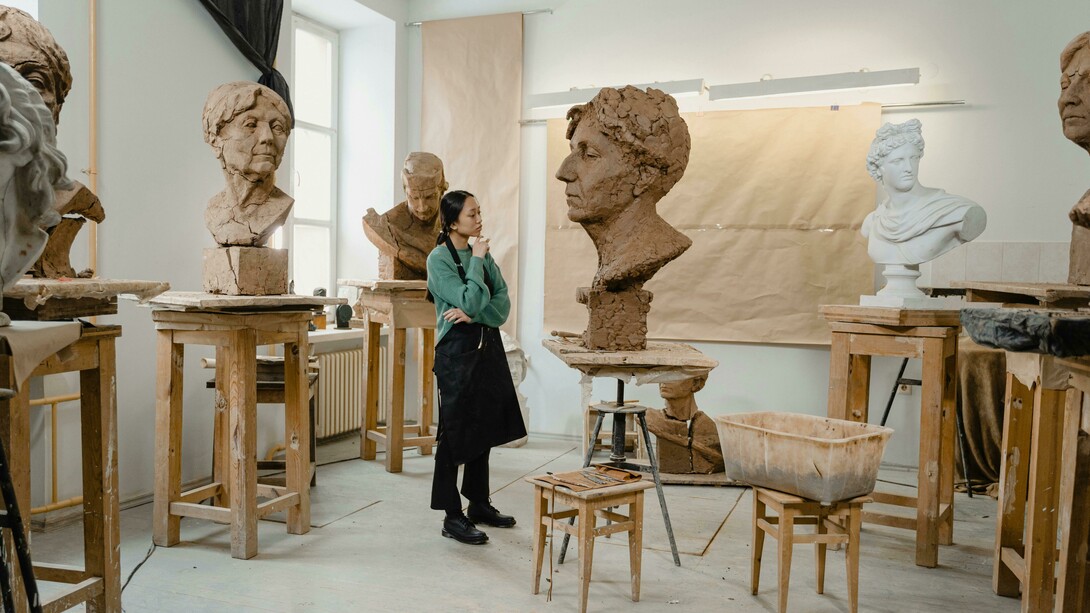
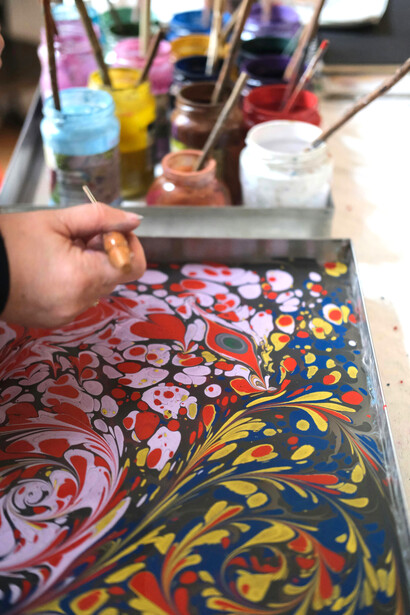
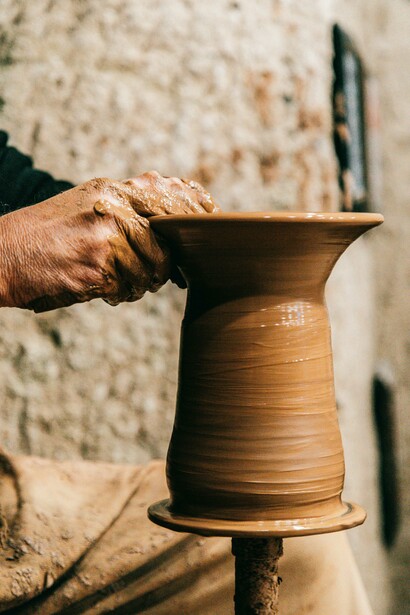
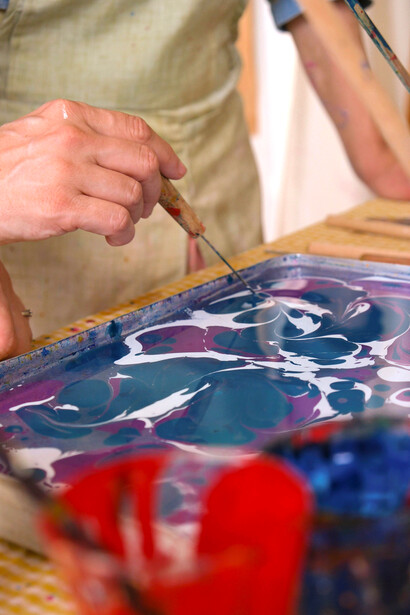
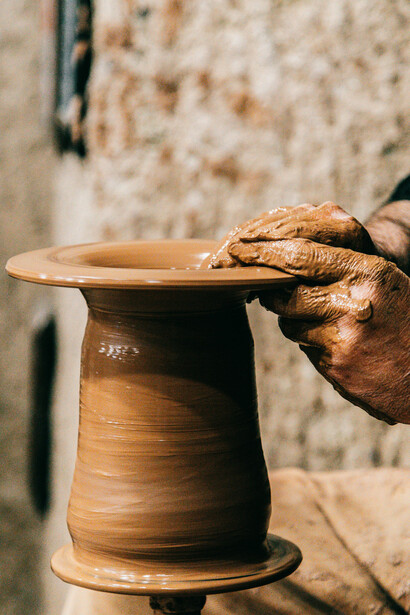
It often begins quietly—a pair of knitting needles, a sketchbook, a lump of clay, or a set of beads bought on a whim. Few people begin crafting with the intention of building a business empire. Most start because their hands are restless and their minds need a gentle form of order. In the rhythm of making—stitching, carving, folding, glazing—the world narrows to a calm, manageable size. Yet time and again, these small acts of creation become something larger. A simple hobby, born of pleasure, can evolve into a livelihood. The intersection of craft, creativity, and commerce has become a defining feature of modern life, suggesting that perhaps the best way to work is to begin by playing.
Crafting as a pastime has deep roots. Long before industrial production and digital technologies, humans expressed their identity through handmade objects. Today, as screens dominate our routines and mass production flattens individuality, the act of making something tangible offers a sense of control and authenticity that modern life rarely affords. Psychological studies increasingly affirm what crafters have long intuited: engaging the hands engages the mind. Research published in The Journal of Happiness Studies in 2024 describes how crafting satisfies essential psychological needs—autonomy, competence, connection, and meaning. When people sew, carve, knit, or throw clay, they experience a sense of mastery and purpose that is both physical and emotional. Another study on leisure and well-being found that regular engagement in creative hobbies is linked to lower rates of depression and improved life satisfaction. Crafting, it turns out, is not just recreation; it is a subtle form of therapy.
For many, this therapy begins in moments of transition. Retirees discover in craft a way to structure time and maintain a sense of usefulness. Young parents find in it a quiet refuge from the noise of daily life. During the pandemic lockdowns, countless people turned to crafting to fill the long, anxious hours. A study of older adults engaged in textile and ceramic crafts found that these activities reinforced not only fine motor skills but also identity: each stitch or glaze reaffirmed a person’s place in the world. Creating something tangible transforms abstract emotions—loneliness, anxiety, uncertainty—into form, color, and texture. It is, quite literally, a way of reshaping one’s life.
But crafting rarely remains a purely private affair. Sooner or later, someone admires the work. A friend asks to buy a piece; a family member commissions a gift; a photograph shared online catches attention. What begins as a hobby often finds its way into a small market stall, a social media shop, or a handmade marketplace like Etsy. This gradual transition from pleasure to profit has become a common trajectory in the twenty-first-century economy. Small craft businesses now make up a significant portion of the creative industries, blending artistry with entrepreneurship.
The stories of people who have made this leap are both instructive and inspiring. Sara Davies, founder of Crafter’s Companion, started her business while still at university, crafting paper designs in her bedroom. What began as a student pastime is now an international company. Garbo Zhu, who launched Grumpy Kid Studio, began experimenting with clay during lockdown simply to relieve stress. Her delicate, playful ceramics caught attention online, leading her to leave her architecture career and open a full-fledged studio. The founders of The Woobles, a crochet-kit company, began by sharing patterns with friends and now run a thriving brand that employs dozens. Even large enterprises like Hobby Lobby trace their origins to one man’s home-based craft experiments. The pattern repeats across scales and continents: what starts as a creative outlet can, with patience and luck, become a sustainable business.
Yet the transformation from hobbyist to entrepreneur is not a simple one. The very qualities that make crafting pleasurable—freedom, slowness, and experimentation—can conflict with the demands of commerce. Turning creativity into income introduces new pressures: deadlines, quality control, customer expectations, taxes, and marketing. The handmade rhythm of craft, governed by intuition and mood, suddenly must obey the clock and the market. Many makers describe an emotional tension between making for joy and making for sale. Once the hobby becomes the source of livelihood, it risks losing its innocence. As one potter confessed in an interview, “When I started charging for my work, I stopped experimenting. Every mistake became a cost.”
This paradox lies at the heart of creative entrepreneurship. Psychologists describe two types of motivation: intrinsic, which comes from inner satisfaction, and extrinsic, which is driven by external rewards such as money or recognition. Crafting, as a hobby, is largely intrinsic—the pleasure of making is its own reward. When monetized, the balance can shift toward extrinsic motivation. If managed poorly, this shift can erode the original joy that sustained the practice. But when handled with awareness, combining pleasure and profit can instead reinforce each other. Love for the craft can fuel the discipline needed for business, while the feedback and appreciation of customers can amplify the maker’s sense of purpose.
What distinguishes successful transitions from failed ones is often not artistic talent but business mindfulness. Crafters who manage to keep their passion alive while earning from it tend to adopt a balanced approach. They start small, test the market, and preserve personal projects that remain purely for pleasure. They learn to value their time and materials realistically, setting fair prices rather than undercharging out of modesty. They cultivate not only their craft but also the less romantic but equally vital skills of marketing, accounting, and communication. They learn that authenticity—the genuine love of making—is itself a powerful business asset in an age of mass-produced sameness.
At its best, craft as business can become a model of sustainable creativity. Unlike industrial production, it encourages mindful consumption, local economies, and environmental awareness. Many artisans emphasize the use of natural or recycled materials, small-scale production, and personal connection with buyers. Customers are increasingly drawn to these values: owning an object that bears the mark of human touch offers an antidote to the impersonal efficiency of modern commerce. In this sense, craft-based businesses not only provide livelihoods but also restore cultural values of patience, quality, and individuality.
Still, challenges remain. Scaling up a craft business without losing its soul is difficult. Some artisans find themselves overwhelmed by demand, spending more time packaging orders and answering emails than creating. Others struggle with the unpredictability of income or the saturation of online marketplaces. The global accessibility of platforms like Etsy or Instagram, while offering visibility, also creates fierce competition. To thrive, crafters must continually innovate—in design, branding, and storytelling—while remaining faithful to the spirit of their work. It is a delicate dance between art and enterprise.
The deeper question, however, is philosophical. Should one seek to turn every pleasure into profit? Modern culture often celebrates the idea of monetizing passion, but doing so can subtly change our relationship with leisure. Hobbies serve a psychological function precisely because they are voluntary, undirected, and free from necessity. They allow the mind to wander and the hands to play. When every pleasure becomes a potential business, we risk losing the restorative space that hobbies provide. Yet, when handled with balance, combining work and joy can yield a more integrated, fulfilling life. The key lies in intention: to let the craft evolve organically rather than forcing it to become a business prematurely.
For many crafters, the sweet spot lies in coexistence rather than conversion. They maintain crafting as a source of pleasure but remain open to its economic potential. They might sell occasionally, teach workshops, or collaborate with local boutiques. This hybrid model—neither purely hobbyist nor fully commercial—allows for both stability and spontaneity. It acknowledges that creative pleasure and material livelihood are not enemies but partners that must learn to share space.
The rise of social media has accelerated this blending. A simple photograph of a handmade item can reach thousands, turning an evening’s pastime into viral success overnight. Platforms like Instagram and TikTok have democratized entrepreneurship, allowing crafters to tell their stories directly to audiences. But visibility comes with vulnerability: creative work, once private, becomes subject to likes, algorithms, and public judgement. Maintaining authenticity amid the noise requires resilience and self-awareness.
Crafting—whether as a hobby or profession—remains a profoundly human act. It connects thought to touch, imagination to material, and individual to community. It teaches patience in an age of haste and offers satisfaction in the tangible. Whether one sells the result or keeps it for oneself is secondary to the experience of making. The value of craft lies not only in the finished object but in the rhythm of creation—the moments of quiet focus when the mind forgets itself and becomes the work.
For those considering whether to turn their craft into a business, perhaps the wisest path is to remember why they began in the first place. If the joy of making remains at the center, the business can grow around it without consuming it. Profit need not extinguish pleasure; in the best cases, it sustains it. The great appeal of craft is precisely this harmony between usefulness and beauty, necessity and delight. To work with one’s hands is to participate in a tradition as old as civilization itself—a reminder that human fulfillment often lies not in choosing between work and play, but in allowing the two to meet.