English
 Español
 Français
 Deutsch
 Italiano
 Português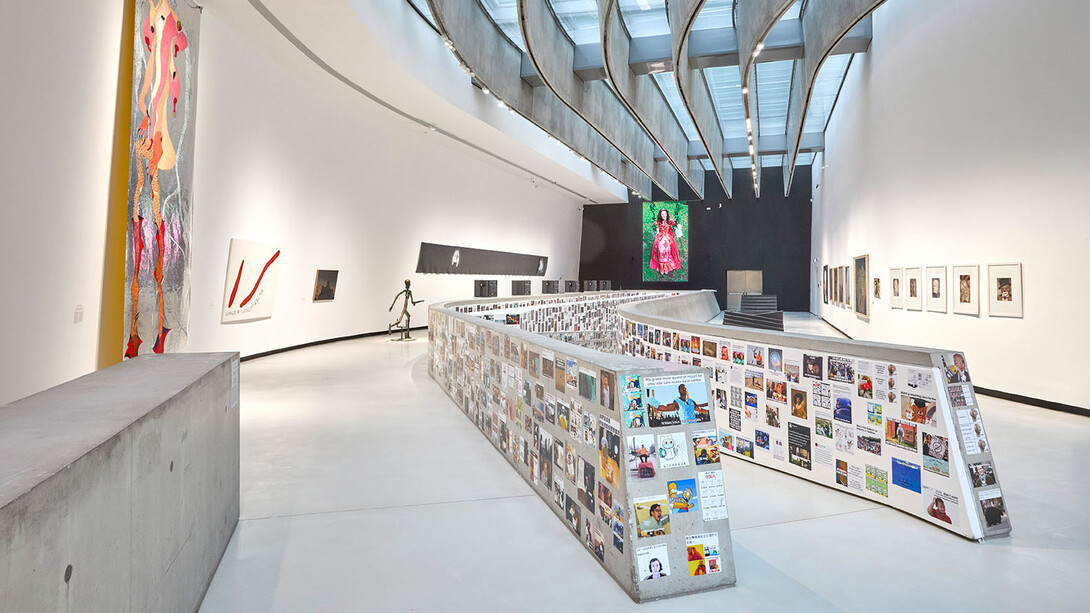
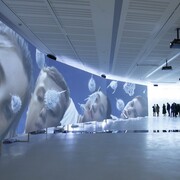
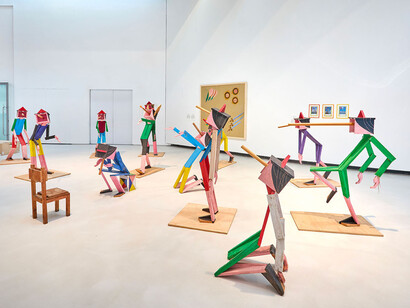
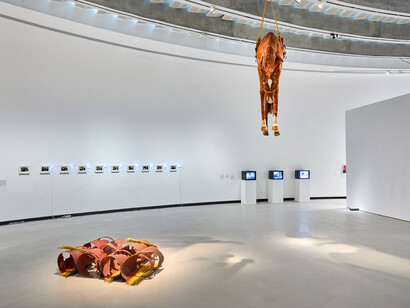
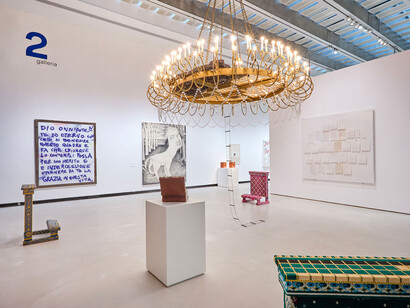
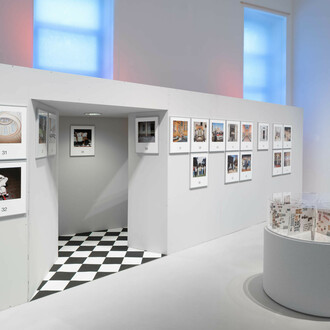
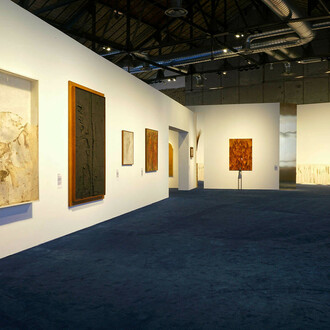
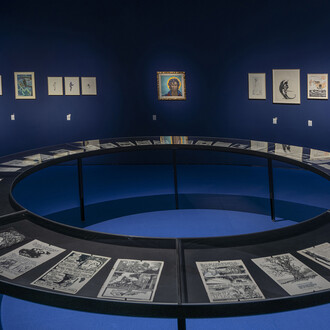
A broad, multidisciplinary reinterpretation of Italian cultural production from the post-war period to the present day, through the works of over 130 artists.
Tragicomica brings together over 300 works to explore the ironic element that runs through Italian culture, which the philosopher Giorgio Agamben defined as a “stubborn anti-tragic intention” (Categorie italiane, 1996). More than a mere attitude, it is a genuine national sensibility that finds its first and highest reference in Dante’s Comedy: the revolutionary approach of tackling the most complex themes through a tone rooted in everyday life, weaving ‘high’ culture and popular culture in a continuous and fertile exchange.
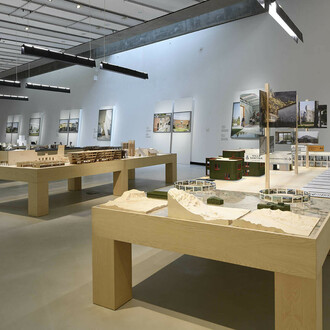
The exhibition spans over eighty years, from the post-war period to the present day, focusing on artists who have made this tension between the tragic and the comic the centre of their poetics and their view of the world. What emerges is an alternative narrative of Italian art—one that disrupts the canon, expands it, and offers a layered, alternative reading of the history of national art. Tragicomica explores these themes across cultural production broadly, including cinema, theatre, architecture, literature, and philosophy.
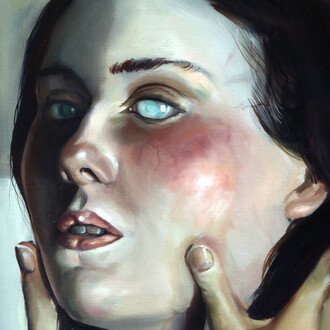
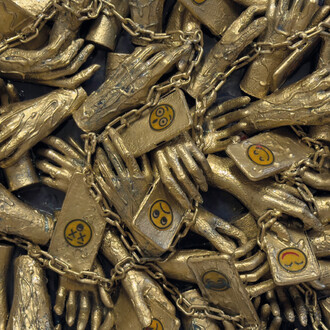
The works on display are not presented in chronological order but engage in dialogue with one another in a continuous and unprecedented juxtaposition of iconic works and less frequently explored ones. Among the artists featured: Gianfranco Baruchello, Elena Bellantoni, Mirella Bentivoglio, Tomaso Binga, Alighiero Boetti, Monica Bonvicini, Maurizio Cattelan, Adelaide Cioni, Roberto Cuoghi, Gino De Dominicis, Luciano Fabro, Lucio Fontana, Chiara Fumai, Silvia Giambrone, Nicole Gravier, Piero Golia, Piero Manzoni, Liliana Moro, Valerio Nicolai, Paola Pivi, Giuseppe Penone, Carol Rama, Lorenzo Scotto Di Luzio and Gilberto Zorio.