English
 Español
 Français
 Deutsch
 Italiano
 Português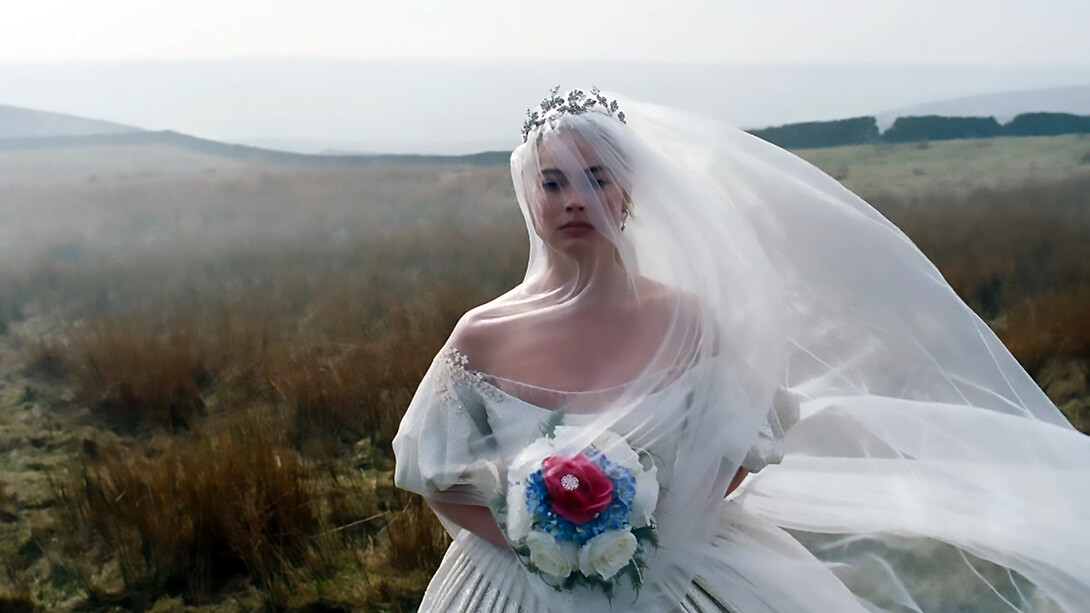
Biopic (n): “a genre of film that tells the story of a single, real person’s life—or at least a part of life that is historically important or interesting.” 1
A hot topic of discussion among avid cinema goers and within modern media is the recently explosive popularity of the musical biopic genre. The rise has been so sudden that it feels as though filmmakers are racing to reach a kind of unspoken quota of how many musical legends and movie stars they can revive when placing Hollywood’s hottest actor or actress of the year in the leading role. This may be a controversial take, but so is the discourse surrounding the discussion.
The boom of biopics raises an interesting question: what triggered this popularity, and why is the demand so high? What do biopics offer audiences that fictional stories cannot?
Perhaps many yearn for a bittersweet return to the past. Older audiences are reconnected to figures they once admired and may be swept up in the joy, nostalgia, and memories of their lives when they listen to a certain musical artist or recall the first film that drew them to their favorite movie star. Meanwhile, younger audiences are introduced to the depicted figure’s legacy and may discover a new favorite icon. Nostalgic sentiments are revived while sparking fresh interest and inspiration.
It may be just a byproduct of the nostalgia many of us craved during the pandemic. With so much time on our hands, we had room to daydream. Getting lost in books, film, and social media during this time allowed us to immerse ourselves in the stories of others’ lives. Maybe the deep dives into the hidden stories of our idols gave us a sense of comfort and familiarity during, while allowing ourselves to reconnect with our past selves.
It could be simply another trend that will thrive and retreat if the stories to reinterpret and retell run out, and the fad dissipates.
Since around 2018, we have been in the thick of biopic production. Filmmakers have explored the lives of musical legends in Elvis (2022) and even expanded the narrative to tell the story of his wife, Priscilla. Historical events were retold through the lens of celebrated directors, like Christopher Nolan, who achieved this in Oppenheimer (2023).
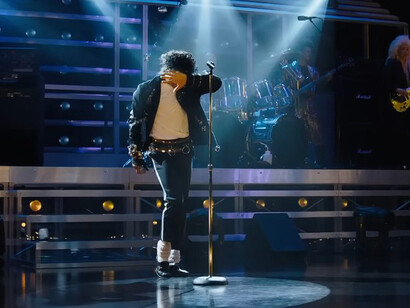
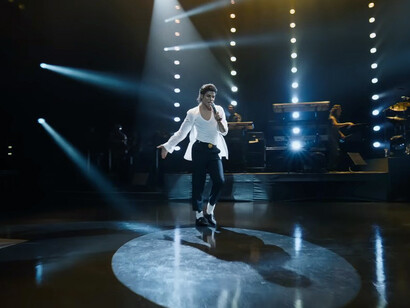
Rotten Tomatoes’ comprehensive list of biopics shows that an estimated 25-30 biopics were released just between the start of 2024 and the end of 2025 alone.2 This upcoming year, 2026, is an anticipated year for the release of several legendary stories, like the highly anticipated Michael Jackson biopic, Michael, set for release in 2026.
The infamous intrigue
It is undeniable that there is something about the phenomenon of biographical recreation that is intriguing to the human psyche. I, too, have flocked to the cinemas on the day of their release out of curiosity, both to see the lives of famous musicians depicted on the big screen and to see how accurately Timothée Chalamet’s portrayal of Bob Dylan is.
Biopics can highlight the hidden details of the subject’s life during their career while also providing insight into the journey that led them there. Telling the story of the path that brought them to the height of their career is thematically powerful, showing the audience that the road to fame is not always smooth.
Difficult themes such as addiction, triumph, and hardship are commonly reflected artfully. Humanness and vulnerability are visible and celebrated, showing the audience a side to the subject that is concealed by tabloid headlines and gossip.
The idolization of celebrities is not a new fad. Society tends to hold them up on a pedestal: worshiping their existence while also criticizing every decision they make simultaneously. Tabloid articles in the aisles of the supermarket report on Angelina Jolie’s divorce from Brad Pitt or comment on who wore what and who wore it better at the Academy Awards. It is meant to stir the pot.
It’s human nature to be curious and wonder what was behind the headlines of the celebrity you once idolized and had posters of in your bedroom as a teenager. Taking a deep dive into their life behind the fame is a promising pitch for a successful film when done correctly.
In actuality, the script had already basically written itself.
Bohemian Rhapsody (2018) is the starting point of the biopic explosion
Biopics are uniquely positioned to be both criticized and celebrated. Writing a review for a biopic is like a playground for a film critic. It can achieve tremendous success at the box office and receive praise from loyal fanbases while facing backlash for possible inaccuracies of a depiction or the dramatization of events.
The recent explosion in biopic popularity can be attributed to the release of Bohemian Rhapsody (2018). Rami Malek gave a show-stopping performance as Freddie Mercury, mirroring his mannerisms, vocal inflection, and persona with ease.
The film’s praise and success during the award show season can be attributed to the flawlessness of his recreation of events, like the iconic Live Aid concert in 1985. It swept the Oscars, earning four, including the “Best Actor” title for Malek, and at the Golden Globes, earning the title of “Best Motion Picture - Drama.” It soon became the highest-grossing music biopic of all time, earning $900 million worldwide, taking its meager $50 million budget by storm.3
Its magnetic production and undeniable success may have been the ignition that sparked the beginning of this new wave, biopic revolution. However, despite the financial and recognizable success, the dramatization of fame in the heat of Queen’s popularity drew intense criticism.
Nicholas Barber, BBC feature correspondent, described Bohemian Rhapsody (2018) as “a daytime soap opera" and reused an infamous quote (formerly used to describe the song and namesake of the film, Bohemian Rhapsody), calling the film “perfectly adequate.”3 However, he continues to praise the film, remarking on Malek’s resemblance to Mercury, and adds:
"[The film] may bore you or irritate you for an hour or so. But, eventually, it will rock you, and it might just move you, too.” 4
Of course, you cannot escape film critiques after the release of any film, despite the genre. The tricky part is that you have the real, lived experience to compare the plot, the accuracy, and the thematic takeaway of the film to. Filmmakers and actors often struggle for years to perfect their interpretation of a person’s life, which is in the hands of their creative responsibility.
So, what did Bob Dylan have to say about Timothée Chalamet?
Malek’s portrayal of Freddie Mercury honored the life and legacy of the Queen singer, who passed away long before the film was conceived. As biopic production accelerates, more subjects are still alive to watch high-grossing films about their lives and often contribute to screenwriting, casting, and content decisions. This shift raises an ethical question debated across media and production circles: should biopics be produced and released only posthumously?
Though it may seem simpler to produce a biopic when its subject is no longer alive, doing so can invite greater scrutiny from those who knew the individual personally or from devoted fans. Posthumous interpretations can also raise questions surrounding legalities, accuracy, and the manipulation of legacy for entertainment. The boundary between public and personal history is blurred, and the depicted individual is not able to provide opinions, recommendations, or interjections on how they are portrayed. However, the tables are often turned when the figure is still living during the time of production, and the outcome of the project can be impacted by the subject’s willingness to take part in the process.
During the production of the Bob Dylan biopic, A Complete Unknown (2024), renowned biopic director James Mangold revealed to Rolling Stone that he spent many “charming” days with Dylan and that he was very involved in the decision-making of what was included in the film and the tone in which it was shown.5 Several intense topics were included in the final cut, including storylines of his relationships, struggles with authenticity, and questions of identity.
In the months leading up to the release of A Complete Unknown, the public was on the edge of their seat, waiting to hear what Bob Dylan thought of award-winning actor Timothée Chalamet’s portrayal of himself. Upon its release, many were pleased to hear that Dylan was “floored” by Chalamet’s performance and that he deserved “nothing but praise” for his portrayal. 6. The role required Chalamet to undergo intense vocal preparation to master Dylan’s distinct vocal tone and persona, but he managed to pull it off, according to Bob.
Biopics to look out for in 2026
The dialogue continues as more and more biopics and various historical reinterpretations are scheduled to hit the box office this year. So I leave you with a few questions to ponder:
Who is worthy of being the subject of a biopic? Are too many being made? Are musical biopics actually any good, or are they just redundant?
If I did not scare you off from the idea of seeing a biopic (or any kind of reinterpretation) in the cinema this year, here are some notable releases that are worth looking out for:
Infinite Icon: A Visual Memoir (Paris Hilton biopic). January 2026 release.
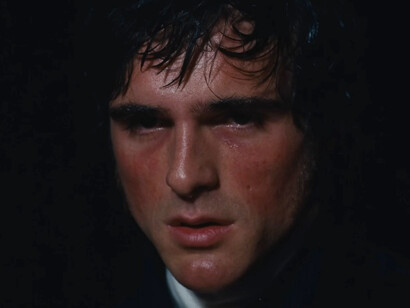
Wuthering Heights (Book adaptation). February 2026 release.
Starman (Documentary/biopic, Gentry Lee). February 2026 release.
Michael (Michael Jackson biopic). April 2026 release.
Young Washington (Historical Biopic). July 2026 release.
The Social Reckoning (Biopic, sequel to The Social Network (2005)). October 2026 release.
References
1 BBC Bitesize. (n.d.). What is a biopic? Seven questions about biographical films. BBC.
2 Rotten Tomatoes. (n.d.). Rotten biography movies to stream at home (critics: Rotten; biography genre; sorted by popularity). Fandango Media.
3 BBC News. (2019, April 15). Bohemian Rhapsody: Queen biopic surpasses $900m at the box office. BBC.
4 BBC Culture. (2018, October 24). Film review: Bohemian Rhapsody. BBC.
5 Rolling Stone. (2023, July 5). Bob Dylan shared his thoughts on ‘A Complete Unknown’ (Timothée Chalamet biopic). Rolling Stone.
6 NBC News. (2025, April 5). Bob Dylan, Timothée Chalamet, and the new biopic A Complete Unknown. NBC News.