English
 Español
 Français
 Deutsch
 Italiano
 Português
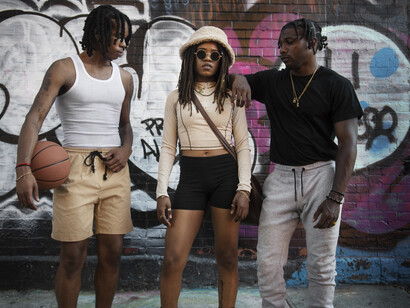
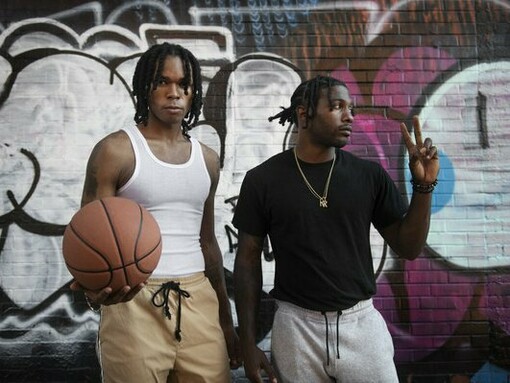
There was a time in South Africa when you could tell a person’s vibe from a distance. You’d spot amaPantsula in their All Stars, bucket hats, and pressed Dickies; the walk, the slang, and the rhythm. You’d know a hip hop head by the fitted caps, baggy jeans, and chains; they were “ama nigga,” deeply inspired by early 2000s Black American culture. Our identities were stitched into our fashion and speech, each subculture distinct and proud.
Each subculture had a language.
A texture.
A sound.
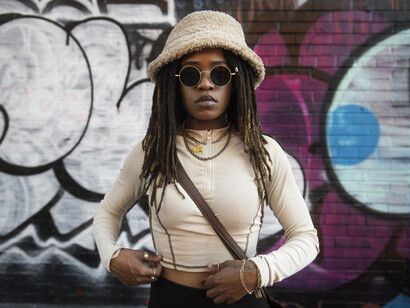
But now? If you turn on the music channel and put it on mute, you probably couldn’t tell which genre is playing. Everyone looks the same. The artists, whether R&B, trap, amapiano, or pop, all look the same. Same aesthetic, same slang, same online accent. Globalization has flattened identity into something more universal but also more confusing.
The global village promised connection, but what it delivered was a kind of aesthetic sameness. The algorithm flattened identity. TikTok made trends travel faster than thought. And somewhere along the way, the cultural markers that once defined us blurred into one endless scroll of cool.
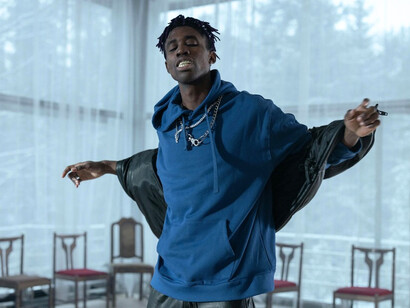
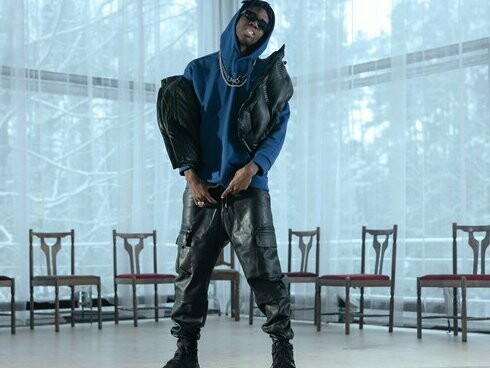
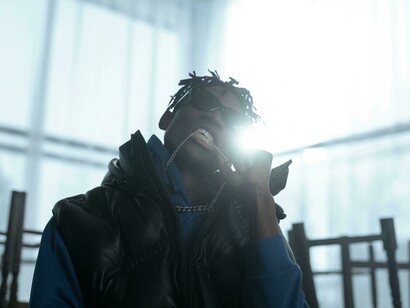
Recently, comments on X (Twitter) about Rema’s outfit in his new video reignited this conversation. Some Americans accused the Nigerian artist of copying Lil Wayne, calling it “cultural appropriation.” But is it really appropriation when the internet made the world so small that style, sound, and speech cross oceans in seconds?
Because let’s be honest, it’s not just Africans borrowing from Americans. They’re making Amapiano in Asia now. Korean DJs dropping log drums. Japanese influencers doing piano challenges. The same sound that once echoed from South African townships now vibrates in nightclubs in Seoul and Tokyo.
At the same time, South Africa has drill rappers spitting over dark UK beats, blending local slang with London cadence. The global exchange is constant. Everyone’s borrowing from everyone, and the lines between “inspiration” and “imitation” are blurrier than ever.
That’s why the criticism of artists like Nasty C feels so misplaced. He’s often accused of sounding “too American,” with critics claiming that’s why he hasn’t reached the same global heights as Wizkid or Tyla—that Americans don’t want a copy of what they already have. But that view is narrow-minded. Nasty C blew up right here at home. He didn’t need to sound more “African” to connect with his audience because many South Africans already sound like him.
Our generation grew up online, on YouTube, MTV Base, BET, and SoundCloud. We speak in a global accent because we were raised in a global room. So, when Nasty C raps in the same rhythm as J. Cole or Drake, he isn’t pretending to be American. He’s reflecting the reality of a generation that consumes and creates in sync with the world.
Maybe that’s the real tension: people still expect authenticity to look like isolation. They forget that in a globalized world, influence is a two-way street. You can’t expect artists to stay confined to cultural boxes when their art is being shaped by timelines, algorithms, and endless collaboration.
This isn’t the 1980s anymore. Subcultures don’t evolve in isolation; they go viral. The same kid who watches a pantsula dance on TikTok might also binge Travis Scott videos and learn slang from a New York podcast.
Maybe it’s not theft but the inevitable outcome of a connected planet. Or maybe it’s proof of American cultural imperialism—the way U.S. media dominates global imagination so completely that even local expressions begin to mirror it. Globalization means influence moves in all directions, but America, with its media dominance, still holds the loudest mic.
America dominates the global stage. Its cultural power is undeniable, from fashion and music to social media slang. But at the same time, local scenes are pushing back by remixing these influences, not just copying them.
South Africa’s Amapiano wave, for example, is our cultural export, our turn to shape the world’s sound. So, maybe what’s happening isn’t cultural loss but cultural layering. The languages, clothes, and beats have fused to the point where they no longer belong to one group. They belong to everyone participating in the exchange.
The internet gave us access, but it also gave us sameness and maybe the real question isn’t whether this is appropriation, but whether we can still tell our own stories in our own voices when the world is speaking in one accent. Maybe the real challenge of our generation is to remix without erasing, to borrow without losing our roots. Because while the internet made the world smaller, it’s up to us to make sure our stories don’t disappear in the scroll.
So, is Rema copying Lil Wayne? Maybe. Or maybe they’re both just reflections of a shared rhythm, one that no longer belongs to any single nation but to the world that watches, imitates, and posts in real time.
We’ve arrived at a place where the world dresses alike, talks alike, and dances alike. But beneath the filters and trends, there’s still a yearning to be seen as something distinct, something real, because even in a global village, everyone still wants to belong somewhere.