English
 Español
 Français
 Deutsch
 Italiano
 Português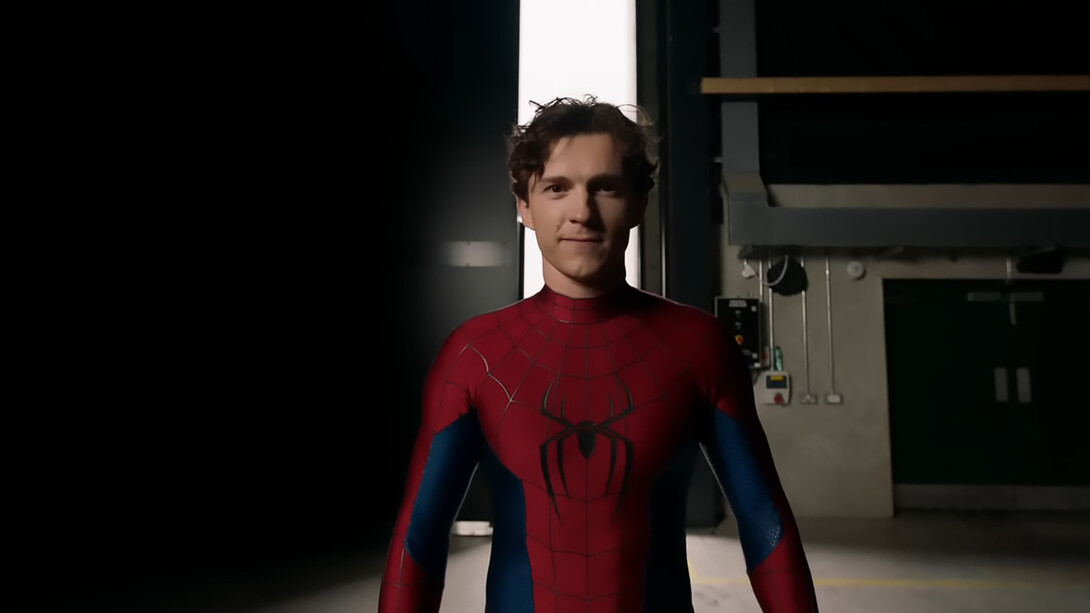
While I'm normally not a fan of franchises and legacy sequels, and 2026 is full of them, the year's slate feels like a coordinated statement from Hollywood. Having not enjoyed any of the so-called blockbusters in 2025, I suspect 2026 will offer more of the same. Yet, I’m morbidly curious about the fate of these massive budget endeavors. They represent a clear, high-stakes effort by traditional studios to reclaim relevance, seemingly driven by market analysis more than creative necessity. Here are five films positioned at the center of that cinematic conversation, which to me appear defined more by marketing noise and corporate anxiety than by genuine cultural ambition. Each one is a test case, and my skepticism, though earned, is ready to be challenged.
Project Hail Mary (March 20, 2026)
Adapted from Andy Weir’s best-selling novel, Project Hail Mary has undeniable appeal on paper. It follows Ryland Grace, a teacher who wakes up alone on a spacecraft with no memory, tasked with saving Earth from a cosmic threat. The pitch promises an engaging blend of survival thriller, scientific mystery, and emotional weight, which is a refreshing proposition. Ryan Gosling seems like smart casting to ground the high concept with an everyman vulnerability, and the ambition to deliver a truly cerebral blockbuster is certainly welcome in an age of sensory overload.
Director Chris McKay faces the central challenge of translating the book’s problem-solving joy and its surprising emotional core to the screen without losing either. The real risk is that the film gets bogged down in its own science or, conversely, glosses over it for broader appeal. In a landscape crowded with empty spectacle, the desire for a movie that champions intelligence, curiosity, and heart is strong. Yet, my optimism is cautious. The premise has all the right ingredients, but the history of beloved novels adapted into boring films is long. Whether it can truly balance its scientific intellect with the genuine, character-driven heart of its source material remains the final and most important test.
Mortal Kombat II (May 15, 2026)
I must admit, Mortal Kombat II has a steep hill to climb, given my feeling that the previous reboot was a messy and forgettable piece of work. The sequel promises bigger fights, bloodier set pieces, and a deeper dive into the tournament mythology that fans have clamored for since the first film’s tease. On a purely conceptual level, the argument has merit. The film isn’t pretending to be prestige cinema. Instead, it aims to work by embracing its unapologetically ridiculous, violent video-game roots, offering a stylized and brutal tone.
In an era where many franchises feel embarrassed by their source material, this kind of confident, B-movie approach could provide a dose of cathartic fun. The focus on characters like Johnny Cage, played by Karl Urban, suggests a better understanding of the franchise’s pulpy appeal. However, after being burned by the last film’s lack of coherence and weak characters, I need to see more than promises in a trailer. My expectations remain firmly low. To win over skeptics like me, this crowd-pleaser must deliver not just gory fatalities, but a coherent plot and characters you can root for amidst the chaos. It needs to prove it can champion spectacle with purpose.
Supergirl: Woman of Tomorrow (June 26, 2026)
Coming from a place of general superhero fatigue and a distinct lack of enjoyment from the 2025 Superman movie, I approach Supergirl: Woman of Tomorrow with measured, heavy skepticism. Its premise, based on Tom King’s acclaimed and introspective comic run, suggests a legitimate tonal shift for DC. This is not pitched as a bright, quippy adventure, but as a cosmic western and revenge story filtered through grief, trauma, and moral ambiguity. Here, Supergirl isn’t just saving the world; she’s grappling with her anger and trying to understand her place in it.
Millie Alcock’s casting suggests a younger, more emotionally raw take on the character, and the source material’s reputation provides a foundation of credibility that most superhero projects lack. The potential for a more mature, visually striking, and philosophically engaged DC film is genuinely appealing. Yet, this feels like a monumental financial gamble for the studio. For me, it’s a potential repeat of past disappointments. A bold, somber pitch is one thing, but the execution is everything. I need to see concrete evidence that this will transcend the genre’s well-worn formulas and its own potential for self-serious gloom. Without that, it risks being another ambitious misfire.
Spider-Man: Brand New Day (July 31, 2026)
This is a tricky one; my exhaustion with superheroes is tempered by a lifelong soft spot for Spider-Man’s underdog spirit. This makes the recent trajectory of the films personally disappointing. Spider-Man: Brand New Day is explicitly framed as a grounded tonal reset, stripping Peter Parker of his high-tech support system and multiversal baggage following the events of No Way Home. The promise is a return to a poorer, lonelier hero forced to rebuild his life from scratch.
This smaller, street-level scale is precisely where Spider-Man thrives when the stakes are personal, and responsibility carries a real cost. The concept of a "back to basics" approach is theoretically sound, especially after what I found to be the overly silly and nostalgia-driven fan service of the previous installment. I acknowledge I’m in the minority with that opinion, but hype has never been a substitute for substance. While the direction sounds correct on paper, my expectations are very low. The entire genre feels creatively tired, and this shift feels more like a predictable, minor course correction than a bold reinvention. I expect more of the same fundamentally safe product, just with a narrower, quieter scope that may not be enough to rekindle my interest.
The Avengers: Doomsday (December 18, 2026)
I find myself once again standing apart from the buzz, as I feel no excitement whatsoever for The Avengers: Doomsday. The project strikes me as the epitome of overhyped studio machinery, anchored by an unnecessarily massive cast. The strategic return of legacy actors feels less like a meaningful narrative choice and more like a transparent and desperate play for goodwill.
Marvel is positioning the film as a crucial reset, a necessary consolidation after years of multiverse sprawl and diminishing returns. The stated goal is to narrow the focus and bring fractured storylines to a coherent head. This presents the MCU’s perennial test: can it still tell a streamlined, emotionally grounded story, or has the weight of its own bloated mythology finally collapsed it? The stakes for the studio are undeniably high. They need to reestablish themselves as makers of cultural events, not just content. However, as a viewer, I see only the familiar patterns. The promotional cycle will be deafening, but I remain deeply skeptical. From my perspective, this looks like another oversized event struggling to justify its own existence, a symptom of the problem rather than a genuine solution.