English
 Español
 Français
 Deutsch
 Italiano
 Português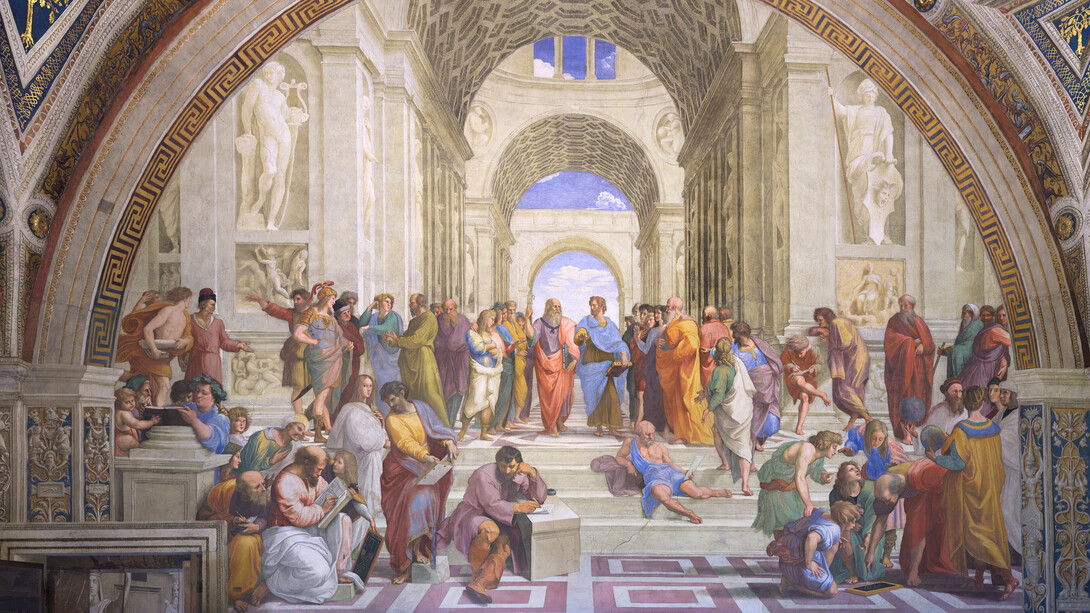
Let’s get ethical. Not in the laminated-poster way, not in the tidy language of mission statements and leadership retreats, but in the real way: the way ethics behaves when power enters the room and refuses to sit quietly.
Because leadership doesn’t merely amplify influence. It amplifies consequence. A careless sentence becomes a movement. A private impulse becomes public policy. A personal blind spot becomes a cultural fracture. Ethics, in leadership, is no longer a personal hobby; it becomes a public force.
Which raises the uncomfortable question: can anyone truly lead ethically once power begins to reshape incentives, ego, and accountability?
Jean-Paul Sartre’s “dirty hands” problem feels especially alive here. Leaders often face choices where every available option carries harm. Protect one group, disadvantage another. Act quickly, sacrifice deliberation. Tell a partial truth, preserve stability. Sartre insists that choosing does not absolve responsibility, but it deepens it. Ethical leadership isn’t about pretending your hands stayed clean. It’s about acknowledging whose fingerprints are on the outcome and owning the weight of that choice without hiding behind process, title, or rhetoric.
But the danger does not end with difficult choices. It also lives in what leaders stop noticing. Arendt warned that great harm often emerges not from monstrous intent, but from ordinary people who gradually surrender critical thinking to the systems they serve. Leadership, in this sense, operates inside machinery, like metrics, incentives, narratives, institutional momentum. Polling numbers replace judgment. Headlines replace reflection. Loyalty replaces conscience. When leaders trade independent thinking for the comfort of alignment, ethical erosion becomes nearly invisible. Moral drift rarely announces itself as cruelty. It arrives disguised as efficiency, obedience, and success.
There is also something quieter at work: proximity to power reshapes what feels normal. What once would have triggered pause begins to feel routine. Language softens. Trade-offs become easier to justify. The circle of concern narrows, sometimes without intention. Leaders begin by managing problems and end, if they are not careful, by managing perception of the problems instead. The difference matters more than most organizations are willing to admit.
This tension becomes especially visible in contemporary political leadership, where the volume of messaging, the personalization of power, and the erosion of shared norms test the boundaries of ethical responsibility daily. When leadership prioritizes winning over trust, loyalty over truth, or spectacle over stewardship, ethics becomes reactive instead of guiding. The question shifts from “What is right?” to “What will work?”, a quiet but consequential migration.
Socrates would argue that if leaders truly understood the good, they would pursue it. Ignorance, in his view, produces harm. But modern leadership suggests a more complicated reality: many leaders understand ethical principles intellectually while still violating them strategically. Knowledge does not automatically translate into restraint when power rewards transgression.
Plato’s realism feels closer to lived experience. Humans are not governed by reason alone; they are pulled by fear, ambition, tribal loyalty, and narrative control. Leaders don’t simply manage organizations; they manage identity, perception, and legacy. Ethics becomes less about knowing the good and more about resisting the gravitational pull of ego and expedience.
And this is where the conversation must widen beyond individual virtue. We often tell leadership stories as if character alone determines outcomes, as if strong personal ethics can permanently outmuscle weak systems. But history is littered with capable, intelligent leaders who slowly adapted to environments that rewarded speed over reflection and loyalty over truth. Ethical leadership is never just an individual achievement; it is also an environmental condition.
So, can leaders be both ethical and effective?
Perhaps the better question is whether leadership systems are designed to support ethical behavior or slowly erode it. Transparency, accountability, dissent, independent institutions, and cultural humility act like guardrails. When those weaken, even well-intended leaders can drift toward moral shortcuts without noticing the slope.
Ethical leadership, then, isn’t purity. It’s discipline. It’s the willingness to slow down when speed would benefit you personally. It’s the courage to tolerate criticism rather than silence it. It’s the capacity to separate identity from power and to remember that leadership is stewardship, not ownership. It is also the quiet practice of building teams where disagreement is not punished but expected, where data is not curated to flatter decisions already made, and where success metrics include who was protected; not just what was produced.
We may never find leaders with clean hands, but we can demand leaders with open eyes, steady consciences, and durable accountability. Ethics isn’t the absence of controversy. It’s the presence of responsibility when consequences ripple outward beyond the self.
Leadership is not just what you achieve.
It is what you normalize.
It is what you excuse.
It is what you leave standing after you leave the room.
So, let’s get ethical. Not because the world is simple, but because it isn’t. And because leadership, at its best, should widen our moral imagination rather than shrink it.
Power doesn’t reveal character. It rehearses it… pretty loudly, too.