English
 Español
 Français
 Deutsch
 Italiano
 Português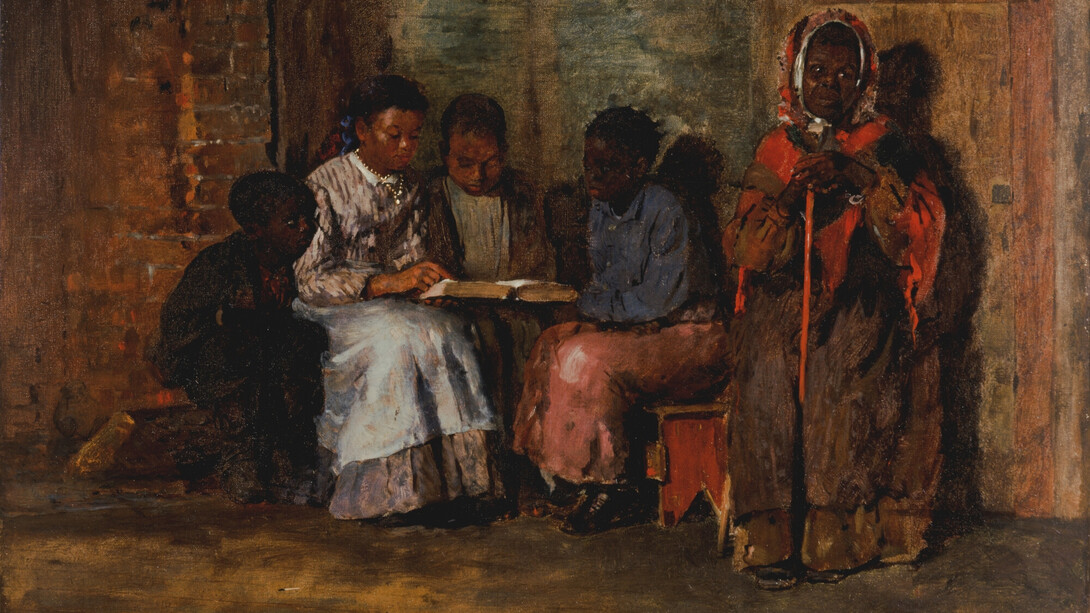
He had no reason to run away. I provided food, a place to sleep; he only had to do his share.
This statement alone denies the humanity of the enslaved; there is no thought given to the reality of the enslaved life condition.
The enslaved lived in unsanitary conditions, suffered malnutrition, insufficient clothing, and unrelenting labor. Most critically, there is absolutely no thought given to the humanity of the enslaved, that he might somehow react to his situation and may experience human reactions of anger, contempt, or even rage.
That his “who am I” may be completely different from the master’s, and his feelings about his condition will be the bedrock of his overt or covert resistance to enslavement.
Enslavement created two primary identities in the enslaved, one as chattel, property, an object without emotions. This identity of the docile, obedient, and submissive enabled the enslaved to avoid punishment and more brutality. While the master could, through violence, control the body and day-to-day existence of the enslaved, he could not control the mind and emotions of the enslaved.
The identity of the enslaved was derived from their African spirit, which included memories, stories, traditions, beliefs, and values. In their minds and hearts, the enslaved were self-defining. The concept of “I am not who they say I am” was passed down from generation to generation. The enslaved had the agency to define themselves despite bondage. This agency was expressed through overt and covert action that could threaten the economic prosperity of the master, his status, and create a state of fear and anxiety.
Overt resistance
The most feared act of resistance by the enslaved was rebellion. When the feelings of anger, contempt, and rage spilled over into violent reactions, an uprising occurred. Few revolts were successful because the government and the military supported and protected the enslavement system. The aftermath of such events was brutal for participants and other enslaved and free blacks. Destroying the system of enslavement was not possible through rebellion by the enslaved.
Running away was the most common overt act of resistance. When one’s emotions would not stand any more humiliation and brutality, it was time to seek freedom despite the chances of harsh punishment if caught. The downside of running away was also having to leave one’s family and community. Despite the obstacles, many runaways found maroon communities with which they connected and lived in freedom. Suicide was also a means by which some enslaved preferred to find freedom; through death, they believed they could return to Africa and be reunited with their ancestors.
Medical diagnosis for enslaved misbehavior
The most fascinating narrative relating to the enslaved running away and insubordination is the medical diagnosis in 1851 by physician Samuel Cartwright. He diagnosed the disease of retromania to label the act of the enslaved running away as a mental disorder.
A human being seeking freedom and human dignity was a mental disorder? Cartwright also diagnosed a lack of work ethic (for the enslaved) that included disobedience, insolence, and refusing to work as a mental disorder known as dysesthesia aethiopica.
Covert resistance
The most common resistance that occurred day to day was covert acts which provided emotional release, maintenance of African identity, some own sense of self. It is the slaveowner’s reaction and proslavery narrative that is most interesting in relation to these covert acts of resistance. In each instance, the ideology of African inferiority would be applied. The enslaved, using the “minds” and intelligence they were not supposed to possess, took advantage of this approach and achieved a sense of power and control. Examples:

While the enslaved well understood their precarious position in the slave system, and played the role of chattel, they also used their minds and devised ways to avoid work and to hurt the owner financially, while letting the owner believe they were intellectually inferior.
While not assumed and certainly not written about, the enslaved did possess and utilize their sense of power. Overthrowing the enslavement system sanctioned and maintained by the government was an impossibility. However, the enslaved possessed some sense of power in that they were aware of the owner’s fear of rebellion, which was brutally repressed when it occurred.
The enslaved understood the fear held by masters of their running away, which impacted the production and economics of the plantation. Finally, the enslaved knew that the master at some level had fear of revenge by the enslaved, the reason for such strict control and punishment for any deviance from expected behavior. Knowledge of the master’s fears provided a sense of power for the enslaved. The true identity of the African spirit enabled the enslaved to survive and even experience some sense of power and control during bondage, and the lessons they passed through stories from generation to generation.