English
 Español
 Français
 Deutsch
 Italiano
 Português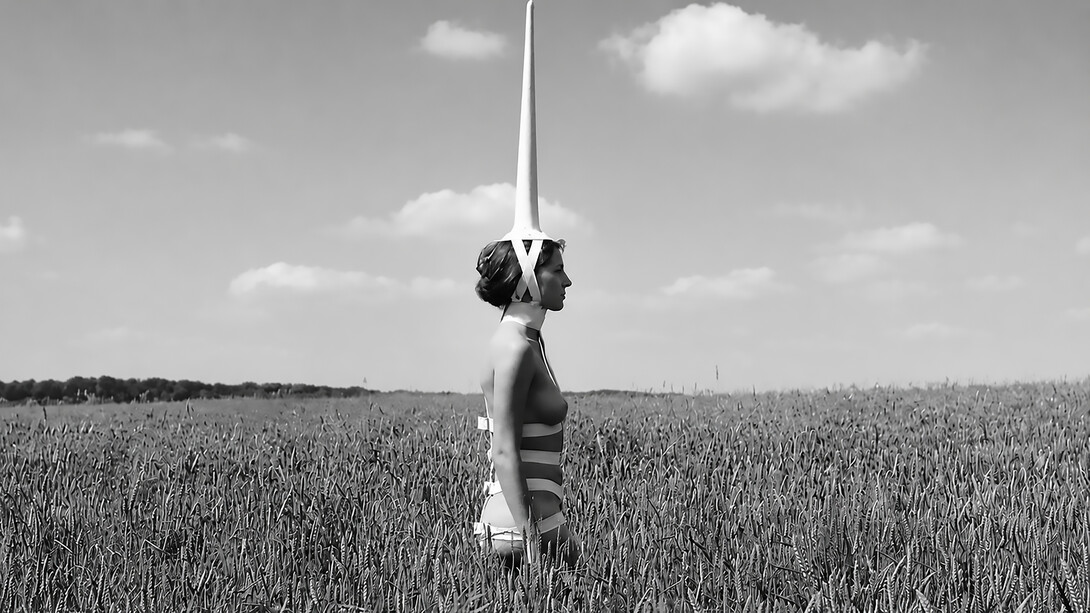
Living in London marked a decisive turning point in my creative journey. My growing connection with the Tate Museum gradually ignited a deep fascination with contemporary art, one that extended far beyond casual viewing and into a more personal, reflective engagement. The city itself felt like a living archive of ideas—an environment where history and experimentation coexisted in constant dialogue. London offered a unique intensity: centuries of cultural heritage layered with radical new forms of expression. It was within this dynamic and stimulating context that I first encountered the work of Rebecca Horn. Discovering her practice was not a sudden revelation but rather a slow and deliberate unfolding—one that fundamentally reshaped the way I understood the relationship between the body, space, and artistic expression.
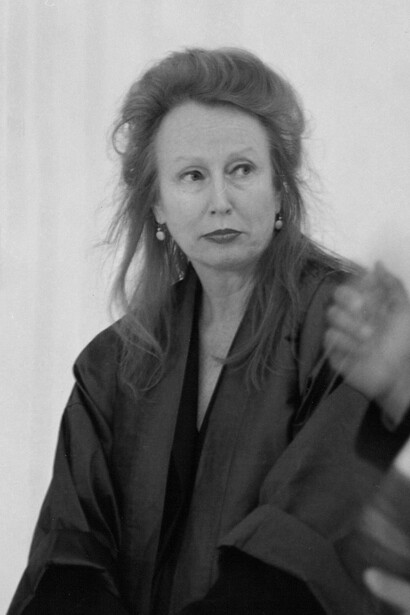
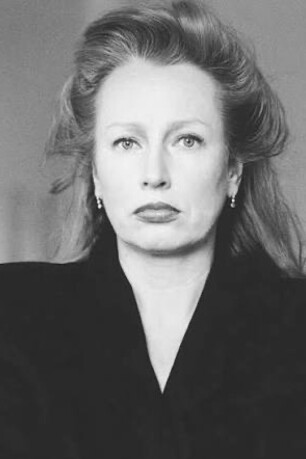
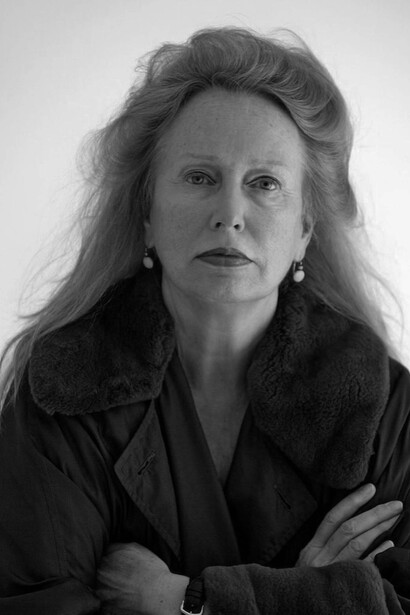
Rebecca Horn, a German visual artist renowned for her installation art, experimental films, and radical explorations of bodily transformation, left a particularly strong impression on me. Her work moves fluidly between disciplines, dissolving the boundaries between sculpture, performance, and cinema. Rather than treating these media as separate, Horn allows them to intersect and inform one another, creating a unified artistic language rooted in physical presence and emotional intensity. While living and working between Paris and Berlin, she developed this distinctive approach across film, sculpture, and performance, directing films such as Der Eintänzer (1978), La Ferdinanda: Sonate für eine Medici-Villa (1982), and Buster’s Bedroom (1990). Each of these works carries a sense of quiet intensity, where movement, architecture, and human presence become deeply intertwined. Silence, repetition, and restraint play just as important a role as action, inviting the viewer into a contemplative space.
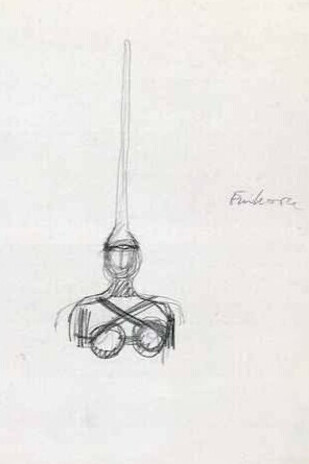
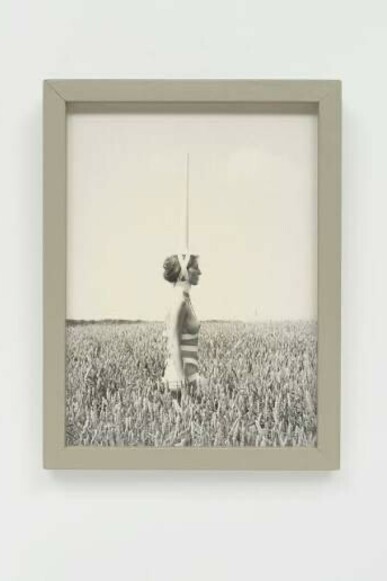
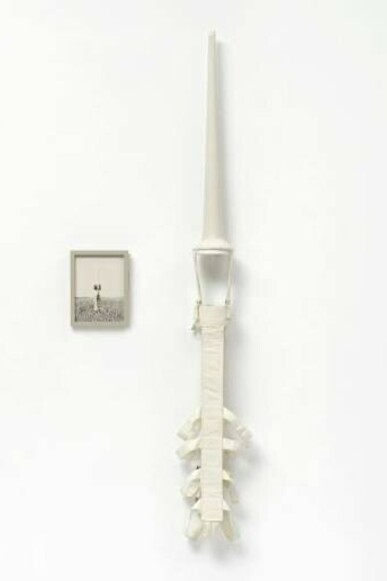
Among her many works, Einhorn (Unicorn) stood out to me most powerfully. The piece—a bodysuit featuring a long horn projecting vertically from the head—uses the human body as both a physical and symbolic site of transformation. It feels at once fragile and monumental, ceremonial and unsettling. The horn, extending upward, suggests spirituality, isolation, and vulnerability, while also imposing a physical restriction that alters balance and movement. What struck me most was how Horn transformed the body into a living sculpture, turning limitation into expression and constraint into meaning. The body is no longer passive; it becomes an active site of negotiation between freedom and control, presence and alienation.
At the time, I was working within the fashion industry alongside talented emerging designers, and Einhorn began to resonate with me beyond the context of fine art. I started to view the piece through a different lens—one that connected art to fashion and performance to garment construction. It encouraged me to think about clothing not merely as decorative or functional, but as an extension of the body’s emotional and psychological state. I became increasingly interested in how fashion, much like Horn’s work, could challenge physical limits, reshape identity, and communicate narratives through form, structure, and movement. Garments, like Horn’s sculptural devices, could restrict, exaggerate, or transform the body, prompting new ways of inhabiting space.
The influence of Einhorn has stayed with me ever since. It expanded my understanding of how artistic disciplines can overlap and inform one another and how the body itself can become a powerful medium of expression. Through Rebecca Horn’s work, I learned to approach fashion and art not as separate worlds, but as interconnected practices—each capable of transforming how we experience ourselves and the environments we inhabit. Her work is magical, surreal, and profoundly beautiful, yet also demanding in the way it confronts the viewer with vulnerability and introspection.
From that moment on, my interest in contemporary art continued to deepen and evolve. As I later moved to Paris, I became immersed in a new artistic ecosystem, discovering emerging voices and developing closer relationships with artists. Through my work in art concierge services and personal art advisory, I began offering curated pieces to collectors while guiding them through the contemporary art landscape. This role allowed me to build meaningful connections between artists and audiences, particularly with creators whose practices aligned with my own sensibilities and interests in movement, identity, and embodied expression.
One such artist is Bust The Drip, also known as Alexis Bust Stephens, a French artist born in 1983. Of French and Jamaican heritage, his upbringing was multicultural and multilingual, immersed in music and dance in the suburbs of Paris. This early exposure to rhythm, sound, and movement profoundly shaped his artistic language. From a very young age, he trained in hip-hop, a discipline he continues to practice professionally. For Bust The Drip, dance is not simply a subject—it is a foundational structure that informs the way he sees, moves, and creates.
Music animates his work, and dance serves as its primary source of inspiration. In his drawings and paintings, Bust The Drip translates the movements of dancers into lines and curves: bodies twist, stretch, spiral, and elongate under his pencil. He captures fleeting moments of motion, freezing them on the surface while preserving their energy. By recreating bodily movement, he combines gesture with the projection of paint, developing a practice that is both instinctive and highly controlled. Influenced by abstract expressionism and graffiti, his work is intensely gestural and energetic, balancing spontaneity with technical precision.
On canvas, his compositions merge spray paint, acrylic, and pencil, creating layered surfaces that evoke rhythm and flow. He often describes his painting process as a choreography of lines and traces, where each mark responds to the previous one, much like a dancer responding to sound. This approach resonates deeply with my own interests in the body as a communicative tool and in the translation of movement across artistic disciplines.
Bust The Drip has exhibited widely and participated in numerous events, including the Urban Art Fair, as well as urban art festivals in France and abroad. In 2019, he created a large-scale fresco for the Brilliant Minds event in Stockholm, whose guest of honor was Barack Obama. In 2023, his work was selected for the permanent collection of the Olympic Museum in Lausanne, Switzerland, marking the official recognition of hip-hop culture within the Olympic Games.
Engaging with the art of artists such as Rebecca Horn and Bust The Drip has reinforced my belief in the power of interdisciplinary practice. Their work continues to influence how I think about art, fashion, and the body—not as isolated categories, but as interconnected systems of movement, meaning, and transformation.