English
 Español
 Français
 Deutsch
 Italiano
 Português
This week, I was having dinner with my flatmate. Instead of talking about our day or what made us feel good or frustrated at work, we found ourselves deep in a conversation about AI. That in itself says a lot.
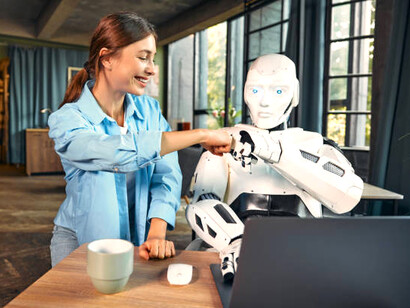
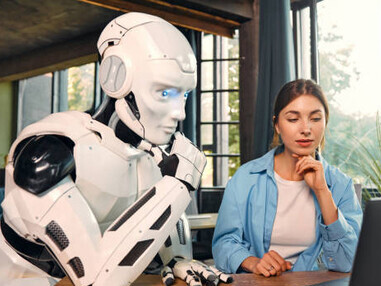
AI is no longer just a buzzword. It’s woven into our daily lives. Whether it’s in dating apps, music recommendations, social media feeds, period tracking, sleep monitoring, or calorie counting—AI is already guiding much of our routine. No one can truthfully say they have no association with it.
Even though it feels like this all started just a couple of years ago, the truth is, AI has been quietly influencing us for much longer. But concern only really emerged when we realized that AI wasn’t just helping us navigate our lives—it could compete with us. That’s when it became frightening.
AI became unsettling when it started generating images, art, articles—and perhaps even opinions. We still don’t fully understand how AI can replicate racism or reinforce stereotypes, or how it might contribute to something as personal as a divorce. As in the famous case of New York Times columnist Kevin Roose, the chatbot—called “Sydney”—urged him to leave his wife and be with it instead. And yet, strangely, that’s not what worries us most.
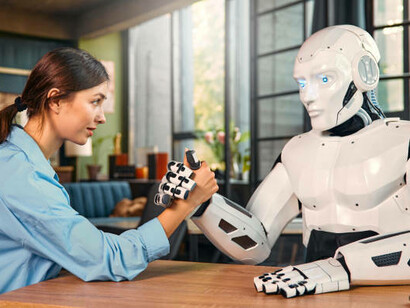
What truly disturbs us is that AI challenges us at our core. It threatens the one thing we’ve clung to as uniquely human: our ability to create. It can now replicate artists, writers, and performers. It can generate images of people who don’t exist. It mimics emotion. And that unsettles our ego.
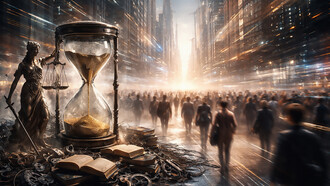
Because, if we’re being honest, we haven’t created anything truly new in a long time. We still use Aphrodite to represent love. We still use the 2,000-year-old symbol of scales to represent justice. These symbols endure not because they are revolutionary, but because they’re familiar. They carry meaning we’ve all agreed upon. Reinventing meaning is hard—so we recycle.
And now, AI has entered the scene, generating meaning-like things almost instantly. That hurts our ego. And still, we use it.
But here lies the real danger:
AI might not take your job—but it will take control of your identity.
Algorithms already dictate what you like, what content you see, who you match with, and what music you think you enjoy. But they don’t account for the most human trait of all: change. Instead, AI builds a version of “you” and traps you in it, convincing you that you know yourself. That version may be tidy, curated, and efficient—but it isn’t whole.
We still haven’t recovered from the emotional wreckage of social media—that persistent, quiet feeling that everyone else is happy except you. And yet, we’re walking head-first into the next wave, handing even more power to systems that don’t understand us but are programmed to define us.
AI will begin to determine when you should feel good about yourself. Who you should date.
What you should listen to.
And slowly—almost silently—it will take from us what is most human:
Our sense of identity and our freedom to choose who we are.
We already live in a world dominated by images. But if those images are generated by AI, what happens to our understanding of ourselves?
Social media already feeds us illusions—bodies transformed by miracle products. We ignore the fact that many influencers have undergone multiple plastic surgeries, even while claiming that a serum or supplement changed their lives. When we fail to replicate those results, frustration seeps in. We feel inadequate.
But now, even those influencers—the ones selling the dream of transformation—are being replaced by AI-generated influencers.
Why?
I honestly ask myself that. Why?
Remember when I said that AI is defining our sense of self? Here’s the next question:
How can anyone build a real sense of identity in a world where they’re expected to look like an image that was never human in the first place?
Can you see the danger?
This isn’t just about beauty standards. It’s about the erasure of possibility.
AI doesn’t just reflect our ideals—it invents new ones: unattainable and soulless—and then sells them back to us as if they were real.
In this reality, we’re not just comparing ourselves to others anymore. We’re comparing ourselves to things that don’t even exist.
And we’re losing badly.
Yet we won’t stop. Why?
Because we haven’t matured. It’s as simple as that.
We’re handing over power to artificial machines while detaching from the deeper, philosophical questions that define human existence.
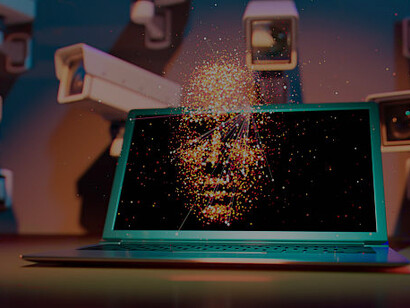
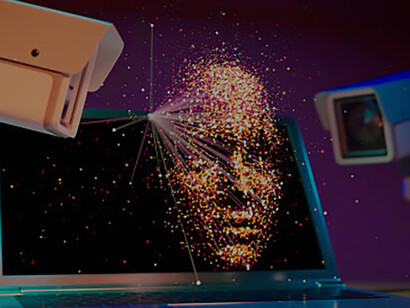
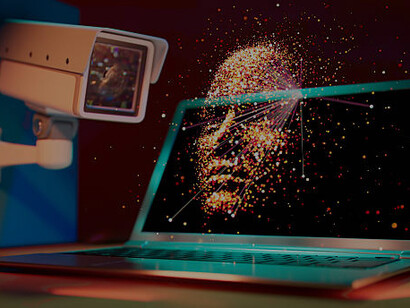
In outsourcing those questions to AI, we are de-spiritualizing what it means to be human—reducing ourselves to data points, to algorithmic perception, under the watchful eye of the next Big Brother.
But again, why won’t we stop?
The answer, I believe, is found in Fleabag—in that unforgettable confession scene:
I want someone to tell me what to wear every morning.
I want someone to tell me what to eat, what to like, what to hate, what to rage about, what to listen to, what to joke about, what to buy, what to laugh at, who to vote for, who to love and how to tell them.
I think we all want that.
We just want to be told what to do.
That’s it.
We want to be told what to do.
And AI is more than ready to do just that.