English
 Español
 Français
 Deutsch
 Italiano
 Português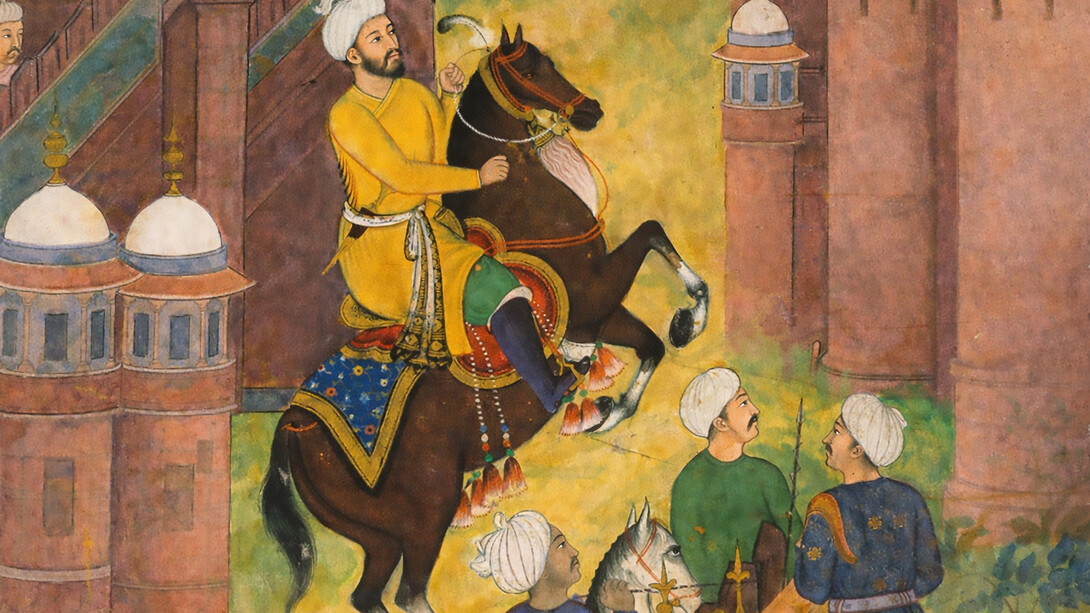
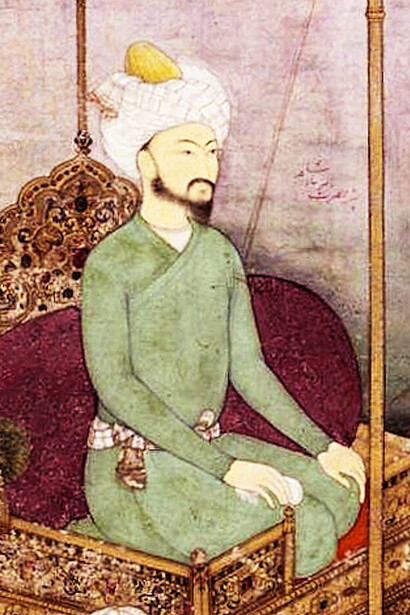
This year marks the 543rd anniversary of Zahiruddin Muhammad Babur, poet, statesman, and the founder of a dynasty that ruled the Indian subcontinent for more than three centuries. His legacy bridges Central Asia, Afghanistan, and South Asia, and he stands out among historical figures as a scholar who authored several books, a man with deep admiration for art, and a military innovator known for his physical strength and resilience.
Babur was born on February 14, 1483, in Andijan, the capital of the Fergana Valley, during the Timurid era. His father, Umar Sheikh Mirza, was a Timurid prince descended from Amir Temur, while his mother, Kutlug Nigor Khanim, was the daughter of Yunus Khan, a Chagatai ruler. He was named Zahiruddin Muhammad; however, he was also called “Babur,” which means “tiger.” Over time, this name became inseparable from his historical persona.
At the age of 12, following the sudden death of his father in 1494, Babur ascended the throne of Ferghana. His early rule was marked by frequent disobedience from local governors and rivalry among princes. Despite these challenges, he captured Samarkand and demonstrated his strength. However, due to internal instability and the growing military power of Muhammad Shaybani Khan, Babur was forced to move south.
Babur crossed the Hindu Kush and seized Kabul in 1504, establishing a new political base. In Afghanistan, he built a functioning state, imposed military discipline, and invested in agriculture, crafts, and urban development. He constructed gardens such as Bagh-i Wafa and Bagh-i Babur, restored the Bolo Hisar fortress, and transformed Kabul into a stable capital. Kabul also became the birthplace of his children, including Humayun, his successor.
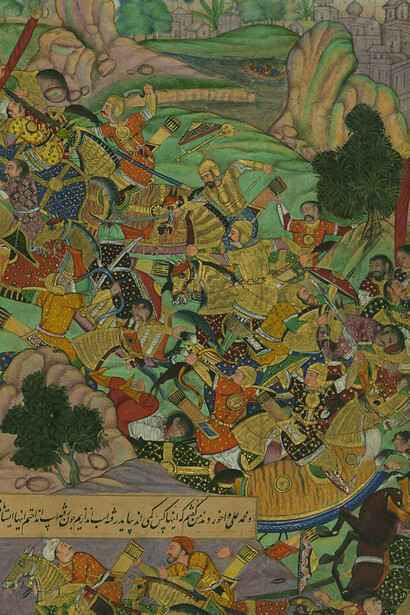
Despite temporary alliances, Babur ultimately recognized that reclaiming Transoxiana was no longer possible. Therefore, he redirected his strategic focus toward India, where the Delhi Sultanate was weakened by internal divisions. Between 1519 and 1526, Babur conducted several campaigns across the Indus frontier. On April 21, 1526, the First Battle of Panipat took place, where, with approximately 12,000 troops, Babur defeated Sultan Ibrahim Lodi’s army, reportedly numbering close to 100,000 soldiers and about a thousand war elephants. This victory marked the beginning of Baburid rule in India. Soon after, Babur defeated the Rajput confederation under Rana Sanga at the Battle of Khanwa in 1527, securing control over northern India. He established Agra as his capital and initiated large-scale urban and garden construction, similar to Amir Temur and other Timurid rulers. In Agra, he laid the foundation of an empire that would later rule the Indian subcontinent for nearly three and a half centuries.
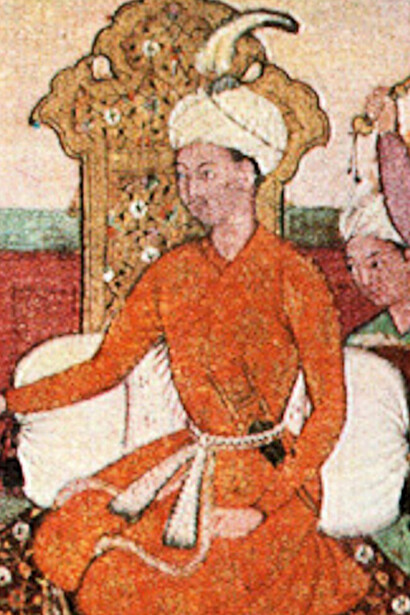
The dynasty founded by Babur became one of the most influential imperial systems in early modern history. His grandson, Jalaluddin Muhammad Akbar (1556–1605), united much of the Indian subcontinent. Akbar is widely regarded by historians as one of the most capable rulers in Indian history, not only for territorial expansion but also for administrative innovation and religious tolerance. Under Jahangir (1605–1627), the empire maintained stability and patronized the arts, particularly Baburid miniature painting. Shah Jahan (1628–1658) presided over the architectural zenith of Baburid culture, building monuments such as the Taj Mahal (1653), the Red Fort in Delhi, and the Jama Masjid. At its height under Aurangzeb (r. 1658–1707), the empire became the largest centralized state in India prior to British rule, controlling nearly the entire subcontinent and commanding immense economic resources.
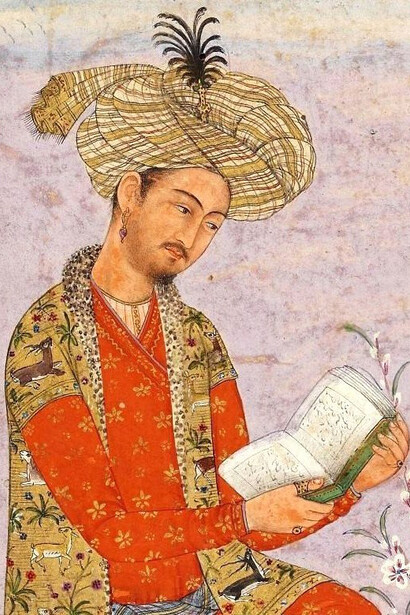
Babur was not only an emperor; he was also a very talented poet, scholar, and intellectual whose literary legacy is no less significant than his political achievements. He wrote ghazals, rubaiyat, and didactic verses in the old Uzbek language. His poetic works focus on moral reflection, human dignity, and justice. He also emphasized his longing for his motherland, Andijan, throughout his life.
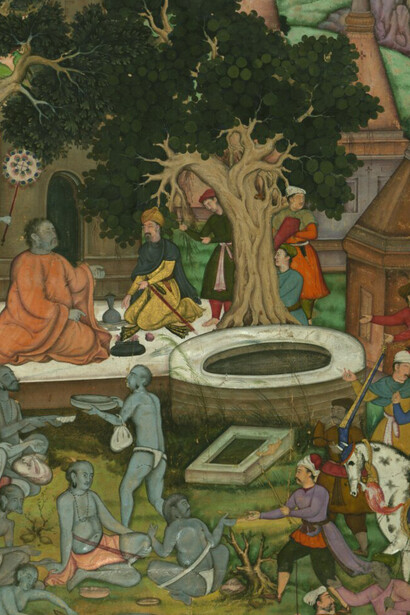
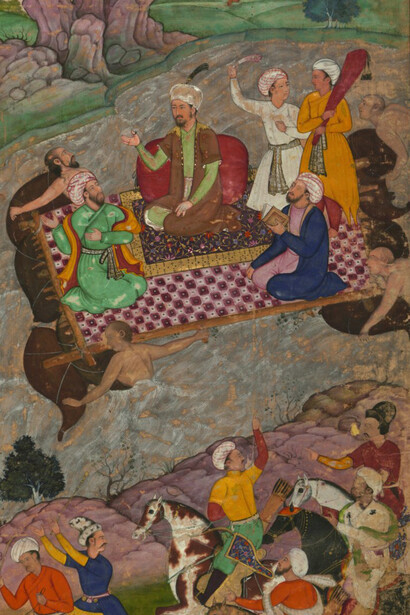
His most famous work, the Baburnama, is one of the most important autobiographical texts in world history. Known under more than twenty titles across different languages, it offers valuable knowledge about the history, culture, nature, and society of Central Asia, Afghanistan, and India in the late fifteenth and early sixteenth centuries. Apart from being one of the most authentic historical accounts of its time, the Baburnama also stands out for Babur’s self-criticism and empirical observation, unlike conventional royal chronicles.
Babur also authored a treatise on Aruz, making him the second major Turkic scholar after Alisher Navoi to systematize poetic meter, and wrote Mubayyin, a didactic work in verse addressing Islamic jurisprudence and ethical conduct. Structured around the five pillars of Islam, Mubayyin reflects Babur’s grounding in Hanafi jurisprudence and his role as a ruler concerned with moral governance.
Babur’s legacy today resonates across multiple societies. In Uzbekistan, he is honored as an important historical figure, and his work is studied in schools and universities across the country. Baburologist, an international electronic platform, was created by order of the President of Uzbekistan in 2023. During the recent visit of the President of Uzbekistan to Pakistan in early February 2026, the leaders of Uzbekistan and Pakistan announced the opening of Babur Park in Islamabad.
More than five centuries later, Babur is remembered not simply as an empire-builder, but as a ruler who documented his world with honesty, governed with foresight, and bridged civilizations.