English
 Español
 Français
 Deutsch
 Italiano
 Português
Alright, art lovers, gather 'round! If you thought Italy had the monopoly on inspiring brushstrokes and soul-stirring sculptures, then honey, you're in for a delightful surprise. I've traversed the length and breadth of Germany, map in one hand, an espresso (or sometimes a Kaffee und Kuchen) in the other, all in the noble pursuit of artistic ecstasy. And let me tell you, this country is an absolute goldmine for anyone whose heart flutters at the sight of a Dürer engraving or a Kandinsky canvas.
Forget the clichés of Lederhosen and oompah bands for a moment (though, embrace them too—they’re part of the charm!). We're talking centuries of creative genius, from stoic Renaissance masters who knew their way around a woodcut to Expressionists who painted their angst with joyful abandon and the sleek minds who brought us Bauhaus. This isn't just a trip; it’s a full-blown artistic communion, and I'm here to spill all the secrets from my own unforgettable "Art on the Road" adventure. Seriously, prepare to have your socks knocked clean off!
Where art history sings: Southern Sojourns
My journey often begins down south, where the air feels a little softer and the past feels incredibly close. The Renaissance whispers, and the Baroque roars.
Nuremberg: my rendezvous with renaissance royalty
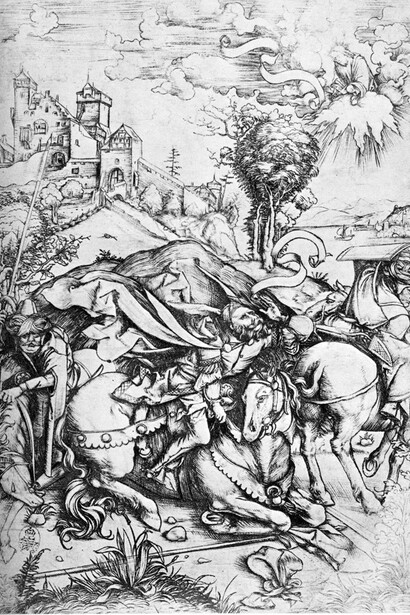
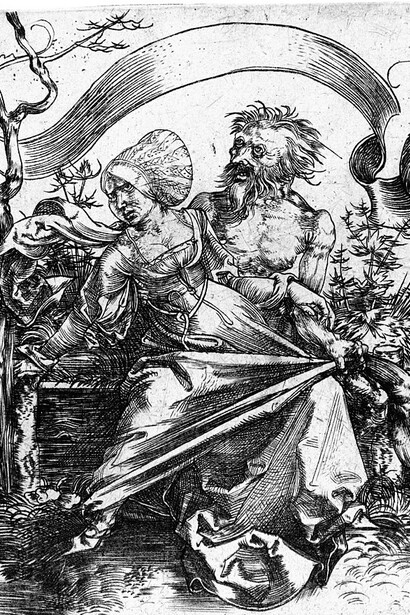
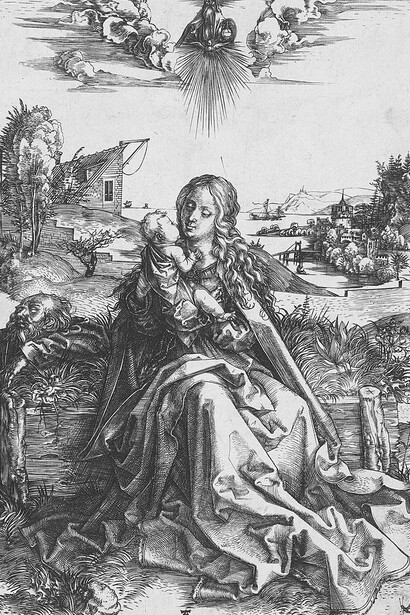
First up, Nuremberg. Walking through this medieval gem feels like stepping directly into a Dürer engraving – seriously, I half-expected to see a unicorn trot by. This isn't just any city; it’s where Albrecht Dürer, the rockstar of the Northern Renaissance, honed his craft. And when I say rockstar, I mean it. This dude was a polymath: painter, printmaker, theorist. He basically put Nuremberg on the art world map, and rightfully so.
His house, now the Albrecht Dürer's House Museum, is a must-see. I remember wandering through, imagining him hunched over a copper plate, perfecting those insane details that make his work so mesmerizing. You can almost smell the ink! It's not just about seeing his space; it's about feeling the spirit of innovation that permeated his life. His woodcuts, like the intricate "Melencolia I," aren't just pictures; they're puzzles, bursting with symbolism that still makes me scratch my head (in the best way possible!). Pro tip: Keep an eye out for his famous self-portraits; the man clearly knew how to rock a fur-lined coat.
Munich: where old masters mingle with regal opulence
Next, I zipped down to Munich, a city that just gets art. It’s got this incredible vibe where old-world charm meets effortless cool. And my first stop? The Alte Pinakothek. Oh, my word. This place is an absolute treasure chest for anyone who adores Old Masters. I spent hours just lost in front of canvases by Rembrandt and Botticelli. And guess what? Munich proudly hosts the only Leonardo da Vinci painting displayed in Germany – the "Madonna of the Carnation." Standing before it, you can't help but feel a little shiver down your spine, knowing you're in the presence of pure genius.
But Munich isn't just about flat canvases. The Baroque and Rococo architecture here? Simply divine. The Nymphenburg Palace is a summer residence fit for a queen (or an art queen like myself!). Its ornate interiors practically sing with grandeur, and the gardens are so vast you could get lost for days (and I almost did, happily). Then there's the Theatinerkirche St. Cajetan – that glorious yellow façade just pops against the Bavarian sky. Inside, it's a symphony of stucco and gold; it’s almost overwhelming in its beauty, a true testament to the sheer extravagance of the Baroque era. And as a bonus, take a walk through Schwabing – you'll spot some stunning Jugendstil (German Art Nouveau) buildings with their wonderfully whimsical, flowing lines. It's like the buildings themselves are dancing!
Chasing the sublime: the romantic heartbeat
As I headed north, the landscape subtly shifted, and so did the artistic mood. This is where German Romanticism takes center stage, reminding us that nature isn't just pretty; it's profound.
Dresden: a phoenix rises, romantic souls soar
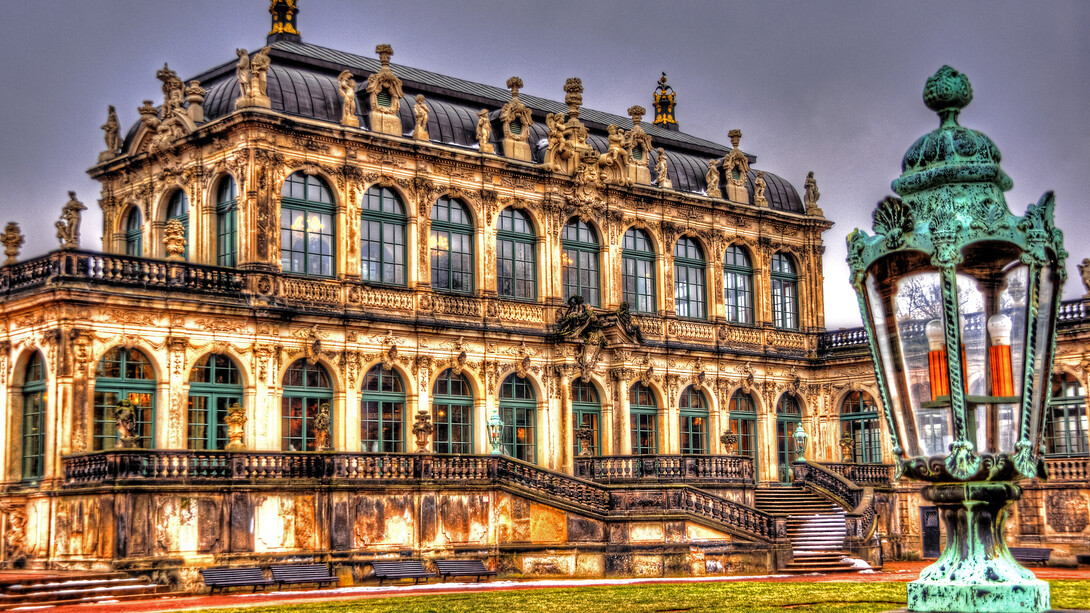
Ah, Dresden. This city, often called the "Baroque Pearl," is an absolute marvel. Its resurrection after WWII is nothing short of miraculous, and seeing the meticulously restored Zwinger Palace—which houses the Gemäldegalerie Alte Meister (and Raphael’s iconic "Sistine Madonna"!)—always fills me with awe. It's a testament to human resilience and a stubborn refusal to let beauty die.
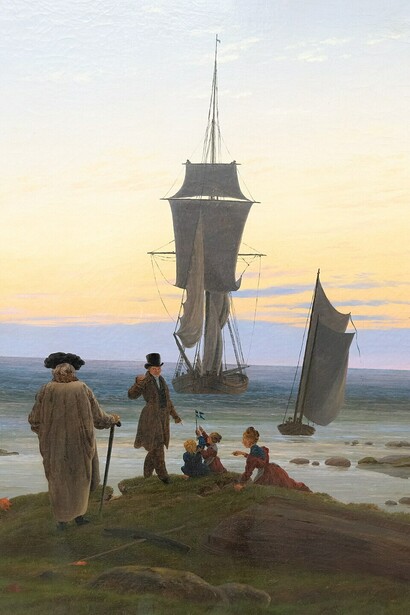
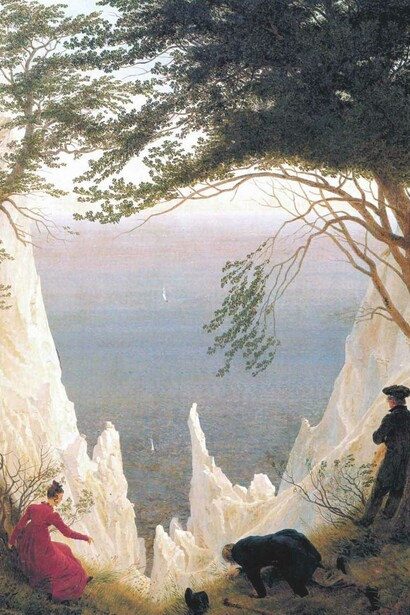
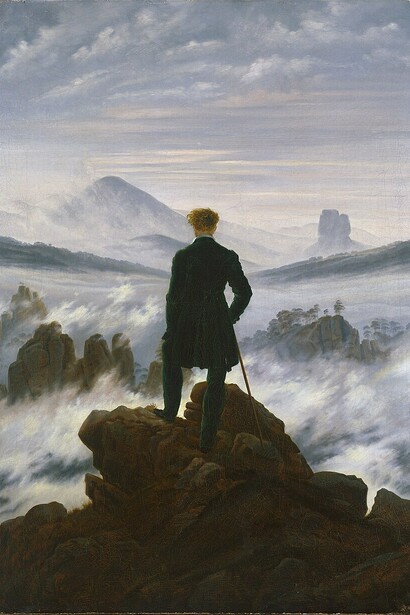
But for me, Dresden holds a very special place in the Romantic heart. This is where you truly connect with Caspar David Friedrich. His paintings aren't just landscapes; they're emotional experiences. I remember standing in front of one of his works, perhaps similar to "Wanderer Above the Sea of Fog," and feeling this incredible sense of awe and quiet introspection. He had this magical ability to put a tiny figure in a vast, overwhelming landscape and make you feel everything. It’s not just about seeing a painting; it's about feeling the solitude, the grandeur, the sheer power of nature. You might not find all his works in one spot, but the spirit of his art permeates Dresden, making it an essential stop for any soul searching for the sublime.
The roar of the new: modernism unleashed
As I powered into the 20th century, Germany transformed into an explosion of artistic innovation, smashing old rules and creating entirely new ones.
Berlin: where every corner is a canvas
Let's be real, Berlin isn't just a city; it's an art-fuelled adrenaline rush. It pulses with this incredible energy, a vibrant mix of history, grit, and cutting-edge cool. It was the place for expressionism, a movement where artists threw out the rulebook and painted their emotions with furious brushstrokes and explosive colors.
For a deep dive into this raw, powerful movement, I headed straight for the Brücke-Museum Berlin. This place is dedicated to the "Die Brücke" (The Bridge) group, which basically kicked off German Expressionism. Standing face-to-face with an Ernst Ludwig Kirchner painting, you can feel the raw emotion practically radiating off the canvas. They were rebels, challenging convention, and their art just screams with a liberating freedom. You'll also find fantastic collections at the Berlinische Galerie and the Neue Nationalgalerie (check for updates on its reopening; it's a masterpiece in itself!).
But Berlin's art scene doesn't stop at Expressionism. Museum Island is a UNESCO World Heritage site, and it’s a bit like a buffet for your art-hungry soul. The Alte Nationalgalerie on the island holds a glorious collection of 19th-century German painting and sculpture, including works by the ever-so-detailed Adolph Menzel. It’s a gentle palate cleanser before you dive back into the avant-garde.
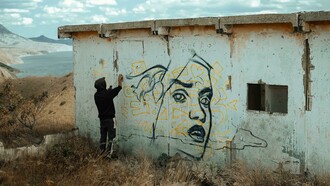
And if you're like me, constantly looking for what's next, Berlin's contemporary art scene is simply buzzing. The Hamburger Bahnhof – Museum für Gegenwart – Berlin is housed in a former train station (how cool is that?). It's packed with art from the 60s to today, and I always leave feeling like my mind has been delightfully stretched. But the real game-changer? The Urban Nation Museum for Urban Contemporary Art. This isn't your grandma's art museum. It's dedicated to street art, graffiti, and urban contemporary works, and it's constantly evolving, with new murals popping up all over the building's exterior. It’s vibrant, it’s alive, and it’s a brilliant reminder that art isn't just for hushed galleries. Seriously, Berlin's thriving gallery scene in areas like Mitte and Kreuzberg means there's always something new, quirky, and utterly captivating to discover. My feet always hurt after a day in Berlin, but my soul is so full.
Cologne: gothic grandeur meets pop art punch
On my westward swing, I landed in Cologne, a city that perfectly encapsulates ancient wonders and modern surprises. Of course, the Cologne Cathedral (Kölner Dom) dominates the skyline, and for good reason. This Gothic behemoth took centuries to build, and standing beneath its soaring spires, gazing at its intricate stained glass, you can't help but feel incredibly small and utterly awestruck. It's a medieval masterpiece that still gives me goosebumps every time.
And then, just a hop, skip, and a jump away from this architectural marvel, you find the Museum Ludwig. This place is a vibrant burst of color and creativity! If you're a fan of Pop Art or Picasso, you're in for a treat. They boast one of the largest collections of American Pop Art outside the US – hello, Roy Lichtenstein's "M-Maybe"! – and the world's third-largest Picasso collection. It’s such a delightful juxtaposition: medieval piety just outside, and then BAM! Bold, graphic, sometimes cheeky art from the 20th century inside. The museum also dives into Russian Avant-Garde and German Expressionism, making it a true melting pot of modern artistic genius. I always leave feeling like I've just had a very witty conversation with a bunch of brilliant artists.
The shape of things to come: design and revolution
My final destination on this art pilgrimage takes us to a place where art wasn't just on a canvas; it was in a chair, on a building, and in every aspect of life.
Weimar: where form met function and changed everything
Weimar is simply charming, a smaller city with a giant legacy. This is the sacred ground where the Bauhaus movement was born. Imagine a school founded by Walter Gropius in 1919, aiming to smash the divide between art and craft, and between art and technology. They believed in functional, minimalist design that would improve everyday life, and boy, did they succeed!
Even though the original school moved (a whole dramatic story for another time!), Weimar still proudly carries the Bauhaus torch. The Bauhaus Museum Weimar is an absolute delight, showcasing works by the visionary teachers and students. Think Paul Klee and Wassily Kandinsky. Klee, with his playful, sometimes childlike, but always profoundly intelligent abstract works (like "Senecio"!), was a master of color and composition. And Kandinsky, the pioneer of pure abstraction, whose paintings feel like musical symphonies of color and form – he taught here too! Walking through Weimar, you start seeing the Bauhaus influence everywhere: clean lines, practical beauty, a refreshing lack of unnecessary fuss. It's like the whole city is a living textbook of modern design, proving that brilliance can be both beautiful and practical.
Germany: your next artistic obsession awaits!
So, there you have it, my fellow art fanatics. From the intricate genius of Dürer in Nuremberg to the soul-stirring landscapes of Friedrich in Dresden, the raw power of Expressionists in Berlin, the Pop Art punch of Cologne, and the groundbreaking clarity of Bauhaus in Weimar, Germany isn't just a travel destination; it's an art lover's paradise. This isn't just a list of places; it's a personal invitation to step into these amazing artistic legacies, to feel the history, and to be utterly inspired.
Trust me, I’ve walked these streets, gazed at these masterpieces, and sipped my Kaffee in countless charming cafes. Germany’s art scene is ready to surprise, delight, and profoundly move you at every turn. So, grab your comfiest walking shoes, pack your sense of wonder, and get ready for a journey that promises to be nothing short of a masterpiece itself! Are you ready to fall head over heels for German art? I know I did!