English
 Español
 Français
 Deutsch
 Italiano
 Português
The COVID-19 pandemic, which emerged in late 2019 and rapidly spread across the globe in early 2020, triggered one of the most significant disruptions in the global economy since the Great Depression. The novel coronavirus brought not only a public health crisis but also a worldwide economic upheaval that affected every sector, from finance and trade to employment and consumer behavior. Governments imposed lockdowns and travel restrictions, global supply chains were severely disrupted, millions lost their jobs, and businesses—especially small and medium enterprises—faced financial ruin. The effects have been deep, multifaceted, and long-lasting, reshaping economic thought, policy, and planning for years to come.
The initial economic shock of the pandemic was swift and brutal. In the first half of 2020, the global economy contracted at unprecedented rates. According to the International Monetary Fund (IMF), the world economy shrank by 3.1% in 2020, marking the worst peacetime contraction since the 1930s. Countries like the United States, the United Kingdom, India, and most of Europe experienced steep declines in GDP. The recession was global in nature, affecting both developed and developing economies, and its synchronicity meant that countries could not rely on international trade or investment to cushion the blow, as is sometimes possible in more localized crises.
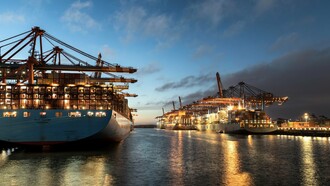
COVID-19 exposed and exacerbated vulnerabilities in global supply chains. Lockdowns and worker shortages in China—where much of the world’s manufacturing base is located—had cascading effects across industries worldwide, from electronics and automobiles to pharmaceuticals and food. The "just-in-time" production model proved fragile in the face of unexpected disruptions, prompting companies to reevaluate their dependence on single-source suppliers. Global trade volumes plummeted in 2020, with the World Trade Organization (WTO) reporting a nearly 9.2% decline. Port congestions, container shortages, and shifting demand patterns continued to affect trade logistics well into 2021 and 2022.
Perhaps the most immediate and visible consequence of the pandemic was its devastating impact on employment. The International Labour Organization (ILO) estimated that in 2020 alone, over 114 million jobs were lost globally. The informal sector, which accounts for a large portion of employment in developing nations, was hit particularly hard as lockdowns meant the cessation of daily wage activities. Service industries—especially hospitality, tourism, and retail—suffered the most, given their dependence on physical interaction. Remote work became a widespread phenomenon in certain white-collar sectors, but the transition highlighted and widened inequalities between those who could work from home and those whose jobs depended on physical presence.
The economic effects of the pandemic were uneven, both within and among countries. Wealthier nations with stronger healthcare systems and fiscal capacity were able to implement large-scale economic stimulus packages and vaccine rollouts. In contrast, many developing nations struggled to finance health responses and economic recovery. According to the World Bank, the pandemic pushed an estimated 97 million people into extreme poverty in 2020. Inequality within countries also widened, as lower-income households faced higher risks of infection and job loss, while higher-income individuals often maintained employment through remote work. The pandemic magnified existing disparities related to race, gender, and geography, challenging policymakers to address structural economic imbalances.
Governments responded to the economic fallout with unprecedented levels of fiscal and monetary support. The United States, for instance, passed multiple relief packages amounting to over $5 trillion, including direct cash payments, unemployment benefits, and support for businesses. The European Union launched a €750 billion recovery fund to support member states, while countries like Japan and China also deployed large stimulus measures. Central banks slashed interest rates to near-zero levels, and quantitative easing programs were reintroduced or expanded. These interventions helped avert deeper economic collapses and supported financial markets, but they also raised concerns about inflation, debt sustainability, and long-term financial stability.
As economies began to reopen in 2021, demand surged while supply chains remained constrained. This mismatch fueled inflation in many parts of the world. Energy prices, raw materials, and food costs rose sharply. The United States saw inflation rates reach a 40-year high in 2022, prompting the Federal Reserve and other central banks to shift toward tighter monetary policies. While inflation was initially considered transitory, it became more persistent than expected, particularly as the war in Ukraine in early 2022 compounded global energy and food price pressures. Inflationary trends have complicated the global recovery, making it difficult for policymakers to strike a balance between supporting growth and curbing rising prices.
Financial markets initially crashed in March 2020, with stock indices experiencing dramatic declines. However, the combination of central bank interventions and fiscal stimulus fueled a rapid rebound. Tech stocks, in particular, surged as digital services became essential during lockdowns. Cryptocurrencies and alternative assets also saw increased interest amid loose monetary policy and inflation fears. Despite periods of volatility, markets remained resilient, although questions were raised about the disconnect between financial markets and the real economy. Investor sentiment has become more cautious in recent years, with growing awareness of geopolitical risks, inflation, and economic uncertainty.
The impact of the pandemic varied significantly across different economic sectors. Travel, tourism, hospitality, and entertainment were among the hardest hit, with international travel restrictions and social distancing causing revenues to plummet. Conversely, sectors related to healthcare, e-commerce, and technology saw immense growth. Online retail giants like Amazon, as well as video conferencing platforms like Zoom, experienced record demand. The acceleration of digital transformation was one of the more positive economic legacies of the pandemic, though it also reinforced the dominance of large tech firms and raised concerns about data privacy and digital monopolies.
COVID-19 demonstrated how deeply interconnected global health and economic stability are. The pandemic showed that an outbreak in one part of the world can trigger a global economic crisis, underscoring the importance of investment in global health infrastructure, early warning systems, and equitable access to medical technologies. Vaccine distribution became a major geopolitical issue, with wealthier nations often prioritizing their own populations. Initiatives like COVAX aimed to ensure global vaccine equity but faced challenges in funding and delivery. The experience prompted calls for stronger international cooperation and a rethinking of globalization with an emphasis on resilience and sustainability.
Beyond the immediate economic damage, COVID-19 initiated several long-term structural changes. The shift toward remote work has led to changes in urban planning, commercial real estate demand, and employee-employer relationships. Education systems underwent rapid digitalization, although access to online learning remained uneven across countries. Consumer preferences evolved, with greater emphasis on health, sustainability, and digital convenience. Businesses are now rethinking supply chains to build resilience, including reshoring, diversification, and greater automation. These changes will shape productivity, labor markets, and economic competitiveness for years to come.
One of the major concerns emerging from the pandemic is the sharp rise in global debt. According to the Institute of International Finance (IIF), global debt reached a record $296 trillion in 2021. While low interest rates made borrowing cheaper, the long-term burden of servicing this debt—especially for developing countries—is a serious concern. Many low-income countries now face debt distress, with limited fiscal space to invest in recovery and development. The pandemic has reignited debates on debt relief, international financial architecture, and the role of institutions like the IMF and World Bank in supporting vulnerable economies.
Interestingly, the pandemic also had temporary environmental benefits. Global CO2 emissions fell by about 6.4% in 2020, largely due to reduced industrial activity and transportation. Air and water quality improved in many cities. However, these gains were short-lived, and emissions rebounded sharply in 2021. The pandemic underscored the need for sustainable economic recovery and green investments. Many countries have integrated climate goals into their recovery plans, with the European Union’s Green Deal and U.S. infrastructure bills focusing on renewable energy and environmental resilience. The intersection of economic recovery and climate change will be a defining feature of post-COVID global policy.
The COVID-19 pandemic was a seismic event that fundamentally altered the global economic landscape. It exposed systemic vulnerabilities, deepened inequalities, and tested the limits of global cooperation. However, it also accelerated digital transformation, spurred innovation, and demonstrated the capacity of governments and institutions to respond in times of crisis. As the world continues to grapple with the economic aftermath, the focus must be on building more resilient, inclusive, and sustainable economies. Future policy must integrate health, climate, and economic planning, while addressing structural inequities that the pandemic laid bare. The lessons of COVID-19—if heeded—can help build a stronger and more equitable global economy.