English
 Español
 Français
 Deutsch
 Italiano
 Português
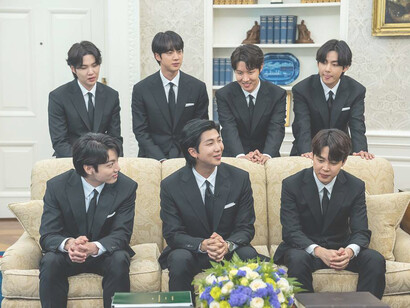
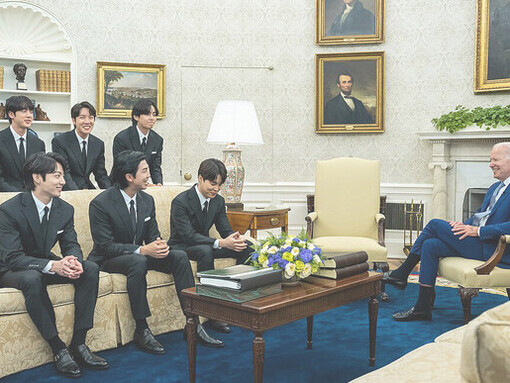
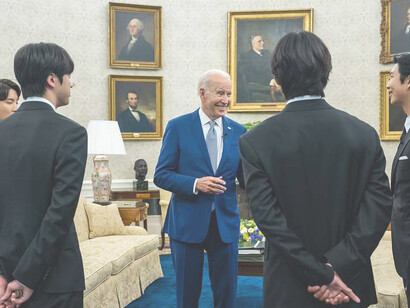
The Korean Wave, or Hallyu, has swept across the globe, flooding our playlists and watchlists with addictive K-pop beats, high-drama romances, and jaw-dropping fashion. From BTS and Blackpink to the stars of Crash Landing on You and The Glory, Korean celebrities are idolized for their talent, beauty, and almost surreal perfection.
But behind the dazzling spotlight lies a different reality, one that is often hidden under makeup, PR smiles, and carefully curated social media posts. In South Korea, being a celebrity isn’t just hard—it can be mentally, emotionally, and physically exhausting. And increasingly, the toll it takes is becoming impossible to ignore.
A culture of perfectionism
In Korean society, appearance and achievement are deeply valued, sometimes to extreme levels. This cultural backdrop sets the stage for an entertainment industry where stars are expected to be flawless in their looks, their behavior, and their output.
Celebrities are often scouted at a young age and enter years-long training systems, especially in the K-pop world. These training programs are intense: daily vocal and dance lessons, strict diets, plastic surgery expectations, language classes, and even “aegyo” (cute behavior) training. Trainees sign long, rigid contracts (sometimes called “slave contracts”) and live under constant surveillance, often with little personal freedom or rest.
Once they debut, the pressure only grows. Idols and actors must maintain perfect appearances, zero scandals, and maximum output. A single mistake, a dating rumor, a slip-up on live TV, or even gaining a little weight can trigger a massive backlash.
Hyperconnected, hypercritical
South Korea is one of the most digitally connected societies in the world, and with that comes a relentless online culture that closely monitors every move celebrities make.
Online forums, fan communities, and social media platforms often amplify criticism and rumors. While fan culture is passionate and loyal, it can also turn hostile quickly. A celebrity’s hairstyle, outfit, or Instagram caption can spark controversy overnight.
The Korean netizen culture, short for “internet citizen,” has become known for harsh commentary, public shaming, and even organized “cancel” campaigns. For celebrities, the fear of being misunderstood or misrepresented is constant.
The silent struggle: mental health
Perhaps the most heartbreaking aspect of Korean celebrity culture is the mental health crisis that continues to simmer beneath the surface.
Over the years, the country has mourned several tragic deaths of high-profile K-pop idols and actors, many related to depression, anxiety, and cyberbullying. The deaths of SHINee’s Jonghyun (2017), f(x)’s Sulli (2019), and Goo Hara (2019) shocked the global fanbase and shed light on the hidden emotional toll of fame.
Mental health stigma remains strong in South Korea, making it difficult for celebrities to openly seek help. Therapy is still associated with weakness or failure, and discussing emotional struggles publicly can be career-damaging.
Some agencies have started offering mental health support, and more celebrities like BTS’s RM and IU have begun speaking openly about their struggles. But systemic change is slow, and many still suffer in silence.
No dating, no life
Another unusual expectation in the Korean entertainment industry is the ban on dating. Many idols, especially those just starting out, are not allowed to date, as agencies fear it might upset fans who want to maintain a fantasy of romantic availability.
This restriction goes far beyond privacy. It invades personal rights and forces celebrities to hide even the most human parts of their lives. When dating rumors surface, fans often react with disappointment or even outrage, pressuring stars to issue public apologies for simply having relationships.
Imagine working 16-hour days, rehearsing for months, promoting nonstop, and not being allowed to fall in love. It’s a heavy price to pay for fame.
The road to change
Despite the challenges, cracks are beginning to appear in the armor.
Younger fans in Korea and globally are increasingly vocal about the need for mental health awareness, more humane treatment of celebrities, and body positivity. Conversations around toxic beauty standards, cyberbullying, and overwork are gaining traction.
Agencies are under pressure to update their contracts, protect their talent, and offer better support systems. Meanwhile, some celebrities are pushing back on openly dating, taking mental health breaks, or advocating for reform within the industry.
Streaming platforms like Netflix are also giving Korean actors more international exposure, which may loosen the grip of conservative domestic expectations. A new generation of celebrities is rising, one that values authenticity and individuality over manufactured perfection.
The glitz and glamour of Korean entertainment are undeniably captivating. But it’s worth remembering that behind every viral dance challenge and red-carpet smile is a human being, often overwhelmed, overworked, and under immense pressure.
As fans, viewers, and global audiences, we have a role to play in demanding better: better treatment for celebrities, better representation, and better conversations around mental health and media responsibility.
Because no dream, not even the dream of stardom, should come at the cost of someone’s peace of mind.

![Blackpink shines at the pink carpet premiere of Blackpink World Tour [Born Pink] In Cinemas on August 9, 2024](/attachments/f685bad59682513efd24bcf9430455fc858e9e92/store/fill/410/308/2a341d12858f18d934a7e4dc8564397437200279c19f921dbdd48b8a9850/Blackpink-shines-at-the-pink-carpet-premiere-of-Blackpink-World-Tour-Born-Pink-In-Cinemas-on.jpg)
![Blackpink attends a pink carpet event for their film Blackpink World Tour [Born Pink] In Cinemas on August 9, 2024](/attachments/33c661da9bd5fb2fe85ba061797939866d32b1db/store/fill/510/383/3e44ba6dd3e868a6f78a6343585e6e254b617483b1a69738da7e07846965/Blackpink-attends-a-pink-carpet-event-for-their-film-Blackpink-World-Tour-Born-Pink-In-Cinemas.jpg)
![On August 9, 2024, Blackpink walked the pink carpet at the premiere of their film Blackpink World Tour [Born Pink] in Cinemas](/attachments/5dda5b688394bed2d475a7c511296f934ba56aad/store/fill/410/308/0fba860a9d7974bdc41e96f66693db8447e358022b4ea22fa2db5f004ff4/On-August-9-2024-Blackpink-walked-the-pink-carpet-at-the-premiere-of-their-film-Blackpink-World.jpg)