English
 Español
 Français
 Deutsch
 Italiano
 Português

As the culinary world continues to evolve, the value of simplicity, craftsmanship and familiar flavours deserves a closer look.
For decades, luxury dining has often been associated with rare ingredients, elaborate presentations, innovative techniques and exclusive experiences. Fine dining has pushed culinary boundaries, transforming food into an art form and elevating the role of chefs as both craftspeople and creative thinkers.
Yet, as food culture evolves, an interesting question emerges: Have we become so focused on culinary innovation that we sometimes overlook the value of simplicity?
Some of the most memorable meals are not necessarily the most elaborate. They may be a slowly cooked stew, a seasonal vegetable dish prepared with care, a well-balanced soup, or a recipe passed down through generations. These dishes rarely rely on spectacle. Their appeal lies in the quality of their ingredients, the knowledge behind their preparation, and the familiarity they evoke.
Perhaps it is time to reconsider where home cooking belongs in the modern gastronomic landscape.
The craft behind simplicity
Home cooking is often perceived as informal, everyday food, separate from the sophistication associated with professional gastronomy. However, this distinction can overlook the technical knowledge required to prepare a truly exceptional meal.
Understanding how ingredients behave under heat, knowing when to introduce aromatics, balancing acidity and seasoning, and recognising the importance of cooking time are fundamental culinary skills. They are just as relevant in a home kitchen as they are in a professional restaurant.
Consider a simple vegetable dish. Its success may depend on selecting produce at the right stage of ripeness, understanding how different vegetables release moisture, and controlling the cooking process to preserve texture and flavour.
The finished dish may appear uncomplicated, but achieving balance requires experience and attention.
Simplicity, therefore, should not be confused with a lack of sophistication. In many cases, it represents a deeper understanding of ingredients and technique.
The ability to create something exceptional without unnecessary complexity remains one of the most valuable skills in cooking.
Quality over complexity
The growing appreciation for ingredient quality has encouraged a broader conversation about what makes food valuable. While presentation and creativity remain important, the foundations of a memorable dish are often much more fundamental.
Freshness, seasonality, provenance and appropriate cooking techniques can have a greater impact on the final result than the number of components on a plate.
A perfectly ripe tomato, a carefully prepared stock or a seasonal vegetable cooked to the right texture can demonstrate culinary excellence without requiring elaborate presentation.
This does not diminish the importance of innovation. Rather, it suggests that innovation and simplicity can coexist.
Modern gastronomy does not need to abandon technical creativity to appreciate traditional cooking. Instead, it can draw from established culinary knowledge while applying contemporary standards of sourcing, preparation, and presentation.
The result is an approach to food in which quality is defined by the complete experience rather than by visual complexity alone.
The cultural significance of home cooking
Food is more than a source of nourishment. It is also a means of preserving cultural identity, transmitting knowledge and maintaining connections between generations.
Traditional home cooking reflects the geography, climate, agricultural practices and social customs of a community. Recipes evolve over time, shaped by the availability of ingredients and the preferences of the people who prepare them.
In Turkish cuisine, for example, seasonal vegetables, olive oil dishes, soups, legumes and slow-cooked meals form an important part of everyday food culture. Many recipes are built around familiar ingredients, yet regional variations and individual techniques give them remarkable diversity.
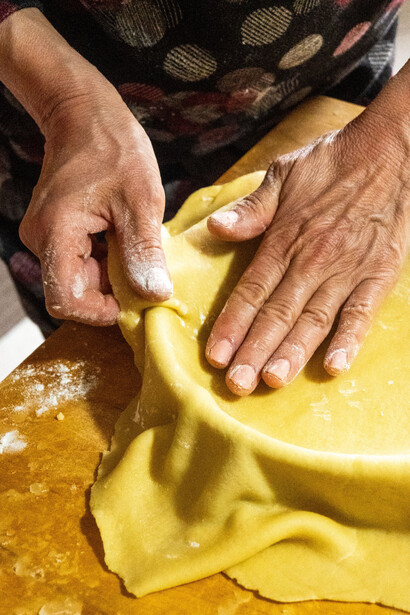
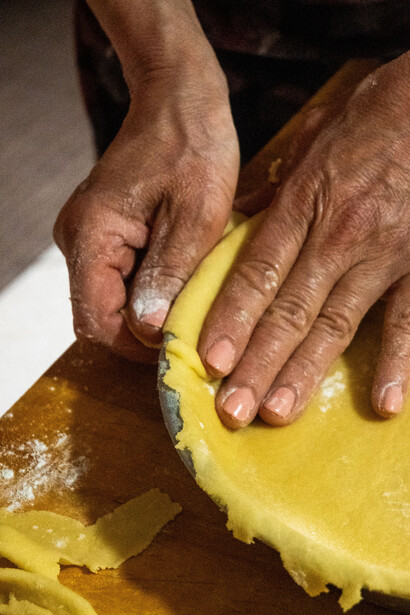
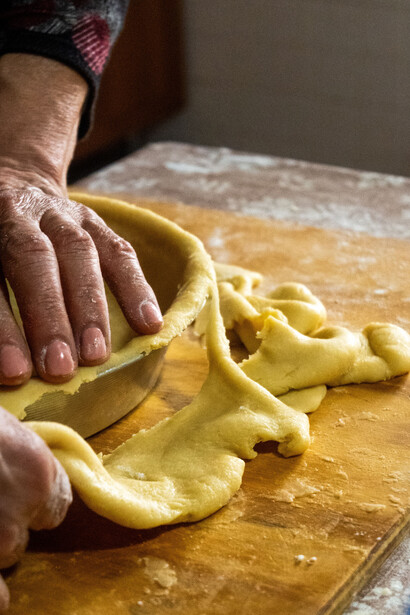
Much of this knowledge is passed on informally, through observation and repetition rather than written instructions. The understanding of when a dish is ready, how its flavour should develop or how ingredients should be combined often comes from years of experience.
Recognising the value of home cooking means recognising this accumulated knowledge.
It also creates an opportunity to preserve culinary traditions without treating them as static or belonging exclusively to the past. Traditional recipes can continue to evolve, finding relevance in contemporary kitchens while retaining the characteristics that make them distinctive.
Food, memory and emotional connection
One reason familiar dishes remain meaningful across cultures is their connection to memory.
A particular aroma can evoke a childhood kitchen. A traditional dish can remind someone of family gatherings, celebrations or a place they once called home. Even when people move to different countries, food often remains one of the most tangible ways to maintain a connection with their cultural background.
This emotional dimension is an important part of the dining experience, although it cannot be measured through ingredients or cooking techniques alone.
In an increasingly fast-paced world, meals prepared with patience and shared around a table can offer a sense of continuity. They create opportunities for conversation, connection, and the simple pleasure of being present.
This does not mean that every meal needs to be nostalgic or traditional. Rather, it highlights the fact that food has several dimensions: sensory, cultural, and emotional.
Understanding these dimensions allows us to appreciate why a familiar, carefully prepared dish can be just as meaningful as an entirely new culinary creation.
Sustainability begins with how we cook
The principles associated with home cooking also offer useful lessons in sustainability.
Seasonal ingredients, thoughtful menu planning, appropriate portion sizes and the efficient use of food can help reduce unnecessary waste. Traditional cooking practices in many cultures have long included ways of making the most of available ingredients, although these practices vary considerably between households and regions.
In professional kitchens, the same principles can be applied through careful purchasing, inventory management and the development of recipes that use ingredients efficiently.
Sustainability, however, should extend beyond the appearance of a dish or the language used to describe it. It requires consistent decisions throughout the food preparation process, from sourcing and storage to cooking and waste management.
A more thoughtful approach to food does not necessarily require expensive ingredients or complicated methods. Often, it begins with understanding what we buy, how we use it, and how much we actually need.
In this sense, traditional cooking knowledge can complement modern food science and responsible kitchen management.
Rethinking luxury in gastronomy
Luxury is not a fixed concept. Its meaning changes alongside consumer expectations, cultural influences and broader developments in the food industry.
For some diners, luxury will continue to mean exceptional service, rare ingredients and technically ambitious menus. For others, it may increasingly include transparency, ingredient quality, a sense of place and a more personal relationship with food.
These preferences are not mutually exclusive.
A traditional dish can be presented in an elegant setting. A simple recipe can demonstrate considerable technical skill. A familiar ingredient can become the centre of a sophisticated culinary experience when it is sourced carefully and treated with respect.
The important distinction is not between traditional and modern food, or between simple and elaborate cooking. It is between food prepared without sufficient attention and food in which every decision serves a purpose.
This perspective offers a broader understanding of culinary excellence, one that recognises craftsmanship wherever it is found.
Conclusion: rediscovering the value of the familiar
The future of gastronomy does not necessarily depend on making every dish more complex. It may also depend on looking more carefully at the principles that have always made good food meaningful: quality ingredients, sound technique, cultural knowledge and thoughtful preparation.
Home cooking deserves recognition not because it must replace fine dining, but because it represents a valuable part of the culinary spectrum.
It reminds us that sophistication can exist without excess, that tradition can coexist with innovation, and that the value of a meal is not always reflected in its appearance or price.
Sometimes, the most compelling culinary experiences begin with familiar ingredients and a simple question: What happens when we give them the attention they deserve?
Perhaps this is one of the most important lessons contemporary gastronomy can learn from the home kitchen.