English
 Español
 Français
 Deutsch
 Italiano
 Português
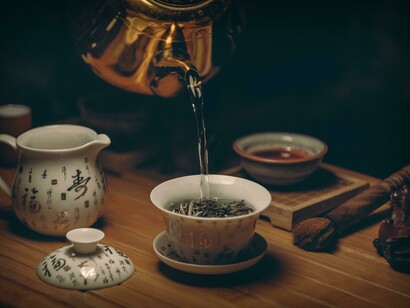
Tea is one of the most widely consumed beverages on the planet, second only to water. From its legendary discovery in China to its status as a global cultural icon, tea has shaped economies, traditions, and even political events. Its diverse varieties offer unique flavors and health properties, making it both a daily comfort and a subject of scientific interest. Yet, like all widely consumed products, tea carries both benefits and disadvantages. This article explores tea’s rich history, the main types enjoyed worldwide, and its potential advantages and drawbacks.
The origins of tea
The story of tea begins in ancient China. According to legend, Emperor Shen Nong accidentally discovered tea around 2737 BCE when leaves from a wild tea tree blew into his pot of boiling water. The resulting infusion had a pleasant aroma and invigorating effect. By the Tang dynasty (618–907 CE), tea had become an integral part of Chinese society, celebrated in art, poetry, and the first recorded tea manual, The Classic of Tea by Lu Yu.
Tea later traveled beyond China’s borders through trade routes. By the 8th century, it reached Japan, where Buddhist monks embraced it as an aid to meditation. In the 16th century, Portuguese traders introduced tea to Europe, and it quickly captured the interest of the British. By the 17th and 18th centuries, tea drinking had become a symbol of sophistication and social life in Europe. The British East India Company began large-scale importation, fueling a tea culture that persists to this day. Tea even influenced world history, from the Boston Tea Party in 1773 to the rise of colonial plantations in India and Sri Lanka.
Main types of tea
All traditional teas (black, green, oolong, white, and pu-erh) come from the same plant: Camellia sinensis. The differences in flavor, aroma, and color result from variations in processing, oxidation, and fermentation.
Green tea: made from unoxidized leaves, green tea retains its natural green color and delicate flavor. Popular in China, Japan, and increasingly worldwide, it’s often associated with health benefits due to its high content of antioxidants like catechins.
Black tea: fully oxidized leaves give black tea its dark color and robust taste. It is the most widely consumed type in Western countries, with famous varieties such as Assam, Darjeeling, Earl Grey, and English Breakfast.
Oolong tea: partially oxidized, oolong sits between green and black tea in flavor and color. It’s often used in traditional Chinese tea ceremonies for its complex, layered taste.
White tea: the least processed of all, white tea is made from young leaves and buds. Its subtle taste and high levels of antioxidants make it a premium choice.
Pu-erh tea: this fermented tea from China undergoes aging, producing a rich, earthy flavor. It’s often compressed into cakes or bricks and is prized for its unique taste and reputed digestive benefits.
Alongside these, countless herbal teas or tisanes (chamomile, peppermint, rooibos, hibiscus) exist. Though not true teas (they don’t contain Camellia sinensis), they’re widely consumed for their soothing flavors and caffeine-free nature.
Advantages of tea consumption
Tea’s enduring popularity is not only due to its taste but also its potential health effects. Modern research has highlighted a number of advantages:
Rich in antioxidants: teas, especially green and white varieties, are abundant in polyphenols such as catechins and flavonoids. These compounds help neutralize free radicals, which are associated with aging and chronic diseases.
Heart health: regular consumption of tea has been linked to reduced LDL cholesterol, improved blood vessel function, and a lower risk of heart disease. Black and green teas alike show promise in supporting cardiovascular health.
Improved mental alertness: tea contains caffeine, though in lower amounts than coffee. This moderate caffeine level, combined with the amino acid L-theanine, enhances focus and alertness while promoting a sense of calm.
Digestive support: certain teas, particularly pu-erh and herbal infusions like peppermint, are traditionally used to ease digestion and reduce bloating.
Hydration: despite its caffeine content, tea still contributes to daily fluid intake, making it a pleasant alternative to plain water.
Potential cancer-protective effects: some laboratory studies suggest that tea polyphenols may inhibit the growth of certain cancer cells, though evidence in humans remains mixed.
Disadvantages and risks of tea
While tea offers many benefits, it is not without potential downsides, especially when consumed in excess.
Caffeine sensitivity: even though tea contains less caffeine than coffee, sensitive individuals may still experience insomnia, anxiety, or increased heart rate if they drink large amounts.
Iron absorption interference: tannins in tea can reduce the absorption of non-heme iron from plant-based foods. People with anemia or low iron levels should avoid drinking tea with meals to minimize this effect.
Dental staining: the dark pigments and tannins in tea can contribute to staining of teeth over time. Proper dental hygiene and occasional professional cleaning help mitigate this.
Additives and contaminants: some commercially produced teas may contain pesticide residues, artificial flavors, or microplastics from tea bags. Choosing high-quality, reputable brands can reduce this risk.
Potential interactions with medications: certain herbal teas and high concentrations of green tea extracts can interact with medications or cause liver toxicity in rare cases. Consulting a healthcare professional is advisable for those on medication.
Tea as a cultural connector
Beyond its chemical composition, tea holds a profound social and cultural significance. In China, the Gongfu tea ceremony reflects centuries of ritual and artistry. In Japan, the Chanoyu (tea ceremony) symbolizes mindfulness, harmony, and respect. In the UK, afternoon tea became a Victorian tradition, blending hospitality with elegance. In Morocco, mint tea is a gesture of friendship and hospitality. These diverse practices illustrate how tea serves as more than a beverage—it’s a shared experience that bridges generations and cultures.
Conclusion
Tea’s journey from a chance discovery under a Chinese emperor’s tree to a global staple in millions of households is nothing short of remarkable. Its many varieties offer a spectrum of tastes and potential health benefits, while its disadvantages are generally manageable with mindful consumption. As a beverage steeped in history and tradition, tea continues to provide comfort, social connection, and a moment of pause in an increasingly fast-paced world. Whether sipped in a delicate porcelain cup during a ceremony or brewed in a simple mug at home, tea remains a timeless companion to human life.