English
 Español
 Français
 Deutsch
 Italiano
 Português
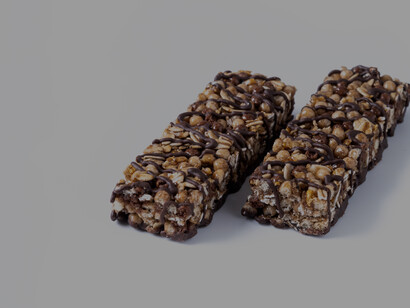
Protein bars have become a popular choice for people seeking convenient nutrition, whether for post-workout recovery, on-the-go snacking, or as a meal replacement. Their rise in popularity reflects modern lifestyles, where portability and quick energy matter as much as nutritional quality. Despite their benefits, protein bars are not universally ideal, and understanding their advantages and drawbacks can help consumers make informed choices that align with their health goals.
Protein bars offer a practical way to increase protein intake, which is essential for muscle repair, growth, and overall body function. For athletes or individuals with active lifestyles, consuming enough protein can be challenging, especially when meals are spaced far apart. A protein bar provides a concentrated source of protein in a compact form, making it easy to support muscle recovery after exercise. They also appeal to busy professionals, students, and travelers who need a quick, filling option when preparing a full meal is not feasible.
Convenience is one of the strongest advantages of protein bars. Unlike fresh food, they do not require refrigeration, heating, or utensils. This makes them ideal for carrying in bags, keeping in the workplace, or packing for outdoor activities like hiking. Many bars also offer balanced macronutrients, including carbohydrates and fats, which can help sustain energy throughout the day.
Another advantage is the variety available. Protein bars come in countless flavors, textures, and formulations. Some are high-protein and low-carbohydrate, catering to those following low-carb or keto diets. Others focus on high fiber for digestive health or include added vitamins and minerals to resemble meal replacements. There are plant-based protein bars for vegans, collagen bars for skin and joint health enthusiasts, and organic or minimally processed options for consumers looking for cleaner ingredients. This diversity allows people to choose a bar that best fits their preferences, dietary restrictions, and nutritional needs.
Despite their benefits, protein bars also have limitations. One major drawback is that many bars contain high amounts of sugar, syrups, artificial sweeteners, or other processed ingredients. These additives improve flavor and texture but can reduce the healthfulness of the product. Some bars marketed for fitness actually resemble candy bars in disguise, providing a quick sugar rush followed by a crash. Consumers who choose protein bars believing they are always a healthy option may unintentionally take in more sugar or calories than expected.
Another issue is caloric density. Protein bars often range from 180 to 400 calories per serving, which is appropriate for active individuals but may be excessive for someone looking for a light snack. Because they are small and quickly consumed, people may underestimate how full they will feel afterward or forget to balance them within their daily calorie intake. Over-reliance on these bars can interfere with weight management goals if eaten mindlessly or too frequently.
Digestive discomfort is another potential concern. Many bars contain sugar alcohols, fibers like inulin, or protein blends that some individuals find difficult to digest. These ingredients can cause bloating, gas, or stomach cramps, particularly when consumed in large amounts. People with sensitive digestive systems may need to test different products or limit their intake.
Protein quality also varies significantly across brands. Bars made with whey or casein generally offer complete proteins containing all essential amino acids. Plant-based bars, on the other hand, often use pea, rice, or soy proteins, which may require blending to achieve a complete amino acid profile. Consumers should read labels carefully to ensure the bar meets their desired nutritional value.
Another downside is cost. Protein bars can be significantly more expensive than whole-food sources of protein such as eggs, chickpeas, yogurt, or chicken breast. Relying on bars as a daily protein source may become costly over time, especially when premium or specialty bars are chosen.
In addition, protein bars may influence eating habits and appetite awareness. Because they are designed to be quick and efficient, they can encourage rushed consumption rather than mindful eating. This may reduce awareness of hunger and fullness cues, particularly when bars are eaten as meal replacements instead of occasional supplements. Developing a balanced relationship with food requires variety, texture, and the sensory experience that whole meals provide.
While protein bars are convenient, they should not replace whole foods entirely. Whole foods provide a broader range of nutrients, fiber, antioxidants, and phytochemicals that processed bars cannot match. Eating protein bars too frequently may reduce dietary variety and cause nutrient imbalances. For long-term health, protein bars are best used as a supplement, not a substitute for a balanced diet.
In summary, protein bars can be a useful tool for boosting protein intake, supporting active lifestyles, and providing convenient nourishment. However, they also have drawbacks, including high sugar content, caloric density, digestive challenges, variable protein quality, and cost. Consumers should evaluate ingredients, nutritional values, and their personal goals to determine whether protein bars are a beneficial addition to their routine. With mindful selection and moderation, protein bars can complement a healthy diet while offering flexibility and convenience in today’s fast-paced world.