English
 Español
 Français
 Deutsch
 Italiano
 Português
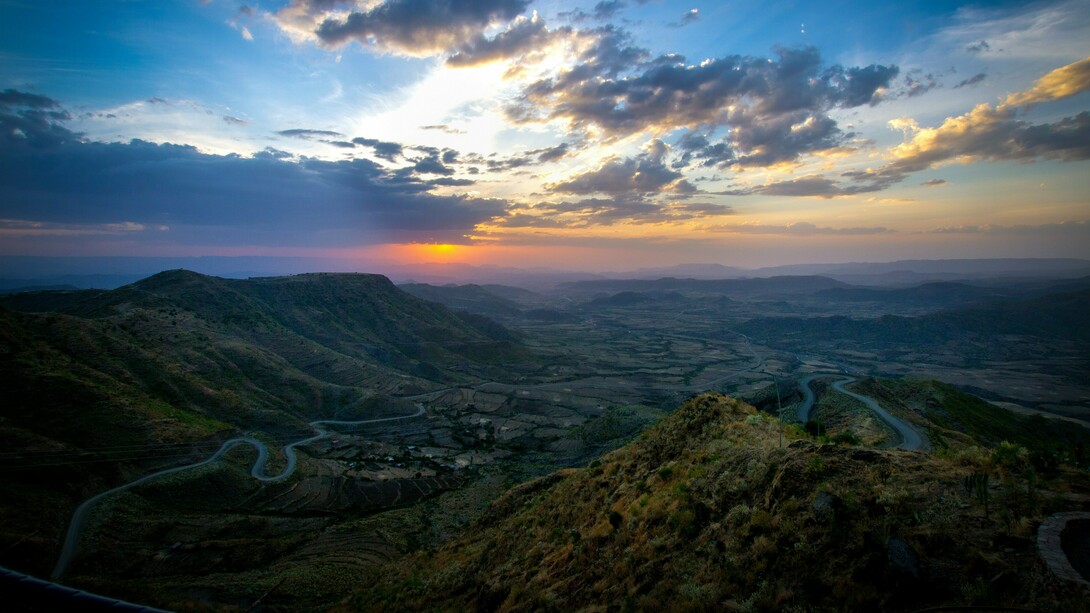
Cultural immersion often comes with expectations of discovery—of landscapes, customs, and ways of life different from our own. As a Filipino social work educator participating in the International Sustainability Academy fellowship program, I anticipated that my greatest lessons would emerge from adapting to a foreign environment. Yet, the most profound insights came not from the country I visited, but from the stories shared by an Ethiopian colleague. He was one of the most interesting fellows in the program because, among all of us, he was the youngest scientist. I think that is an understatement because, despite being a scientific person, he was using his science to help the most marginalized sectors in the community.
Although I have never been to Ethiopia, his narratives allowed me to experience his homeland through his eyes—its warmth, struggles, traditions, and enduring pride. This reflection explores how intercultural exchange can transcend distance, nurturing empathy and a deeper understanding of shared humanity.
Encountering Ethiopia through friendship
My Ethiopian friend, a fellow at the International Sustainability Academy, often spoke of his longing for home. It was his first extended period away from his family, and he missed his wife and children deeply. Each evening at six o’clock, he would call them—an unbroken ritual of connection, a small yet powerful testament to love and commitment. His consistency reminded me how family bonds remain the strongest anchor across cultures and how distance can make affection more intentional.
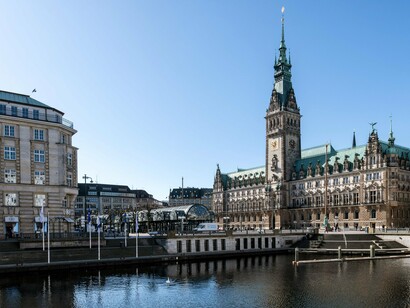
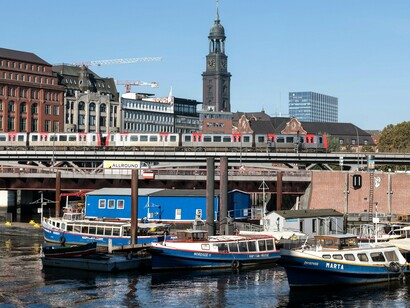
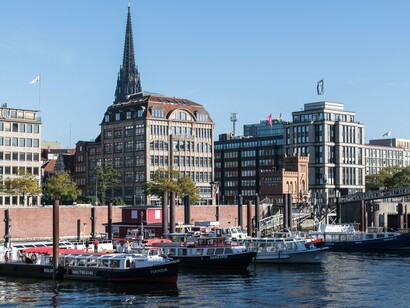
Our friendship grew during long walks through the streets of Hamburg, which he treated as both recreation and reflection. He often mentioned that walking helped him stay active, a habit formed from his younger days playing football. His passion for the sport went beyond fandom—he followed international leagues, analysed players, and once declared, “Football is a science.” Coming from a scientist and young professor at Abba Minch University, his words carried weight. His fascination with research and precision extended even to his hobbies, revealing a mind constantly in pursuit of understanding.
Learning across disciplines and worlds
Before meeting him, I had already searched his name online and discovered his academic contributions to water management and environmental assessment. During our conversations, he shared his expertise in explaining the water systems of Hamburg—its classifications, its relationship to climate, and how access and scarcity shaped societies.
Although my own field is social work and gender studies, his explanations opened my eyes to the interconnectedness of technical and social disciplines. In turn, he listened with genuine interest as I discussed gender equity and community development, bridging two distinct domains through dialogue. He was also very appreciative of my sharing related to my knowledge about gender and development, and he told me that if only he could invite me to Ethiopia and help his university and the community to be more development-orientated in their approach.
Through his stories, Ethiopia unfolded vividly before me. He described his tribal community—women adorned with lip piercings as marks of beauty, men proving their strength through athletic rituals, and dances that involved astonishingly rapid movements of the neck. These descriptions, both fascinating and unfamiliar, stirred a mix of admiration and cultural curiosity. I was reminded of how tradition and identity intertwine, preserving heritage even as modernity advances. I am also curious about it and watched some of the videos in his country, which is truly fascinating to someone from another country.
A nation’s story of pride and resilience
“In my country…”—those were his favourite words, always said with pride. From him, I learned that Ethiopia is one of the two African nations never colonised, a cradle of civilisation where ancient kings and queens once reigned. His stories about his grandparents, who fought Italian invaders, reflected a national memory rooted in resilience and sovereignty. He spoke of a land blessed with fourteen springs surrounding his city and a distinct Ethiopian calendar that was then marking the year 2015. I was amused when he joked, “You should come to Ethiopia and change your birthday.” Such conversations made Ethiopia come alive in my imagination, vibrant and proud.
His pride also extended to coffee—Ethiopia’s global gift. He lamented that European coffee could never compare to the richness of Ethiopian brew. As a Filipino who cherishes coffee culture, I understood his sentiment: for him, coffee was not merely a beverage but a symbol of heritage and identity.
Water, women, and the weight of scarcity
The most moving part of his narrative centred on his research with women living in areas affected by water scarcity. He once showed me a video of a young girl who, out of shame for failing to fetch water for her family, took her own life by jumping into a well. The tragedy of that story stayed with me—the unbearable burden placed on women and girls, the silence of their suffering, and the cruel weight of poverty. His project sought not only to provide solutions but also to humanise the struggle for access to basic needs.
I reflected on the paradox of Ethiopia’s history: a nation that once defied colonisation is still wrestling with the chains of poverty, tribal conflict, and inequality. While humanitarian organisations abound, the complexity of its social fabric makes change difficult. Yet, within those challenges lie remarkable courage and perseverance.
Reflections on shared humanity
As our fellowship drew to an end, I realised that our daily walks were more than mere routines—they were journeys of cultural exchange. Through his eyes, I saw Ethiopia not as a distant land but as a mirror of human resilience. Despite differences in geography, language, or faith, the values that sustain communities—family, dignity, love for one’s country—remain universal.
Although I have never set foot on Ethiopian soil, I have walked beside its spirit through stories shared in friendship. My Ethiopian fellow taught me that empathy can bridge continents and that learning about another culture begins with listening.
This reflection reaffirms that intercultural encounters are transformative not only for what they teach us about others but also for how they deepen our understanding of ourselves. In hearing his stories, I rediscovered the beauty of connection and the quiet power of shared humanity. His pride in his country inspired me to reflect on my own nation’s struggles and strengths. I may not have been to Ethiopia, but I have walked its roads in spirit—guided by a friend whose stories turned distance into kinship.
As he returns to continue his work on water and women’s empowerment, I hold on to a simple hope: that his efforts, rooted in compassion and science, will ripple outward like springs of change—reminding us that every story shared is, in itself, an act of hope.