English
 Español
 Français
 Deutsch
 Italiano
 Português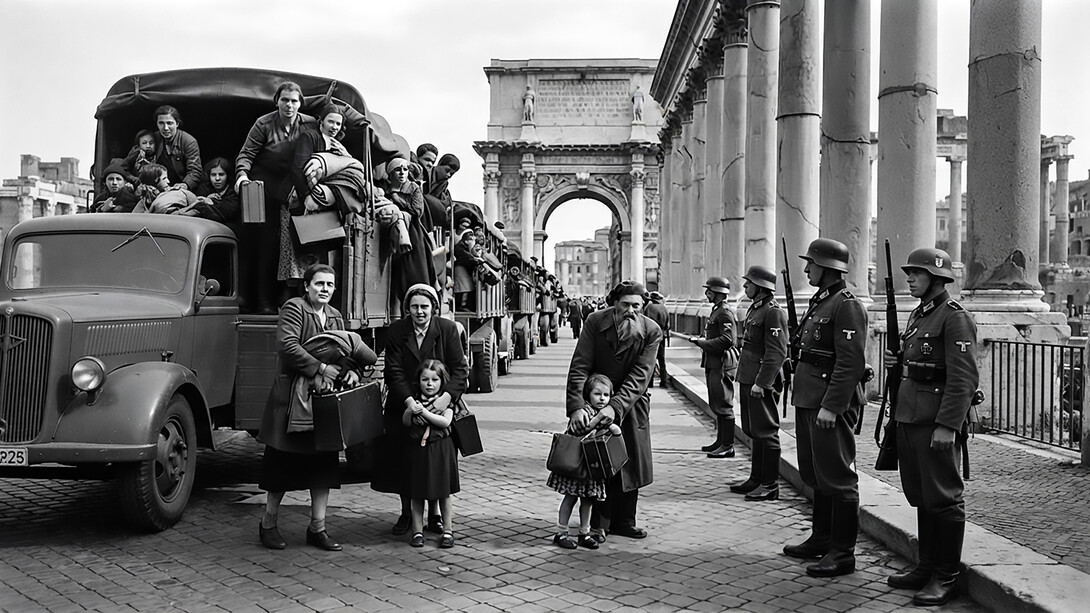
The Jewish Museum of Rome preserves the stories of the community persecuted and deported during the Nazi occupation of Rome, which began on September 10, 1943, and ended with the city’s liberation on June 4, 1944.
Many tourists from all backgrounds who join my walking tours in Rome and the Vatican are deeply interested in learning about the Holocaust. Most are particularly intrigued by the actions of Pope Pius XII toward the Jews of Rome.
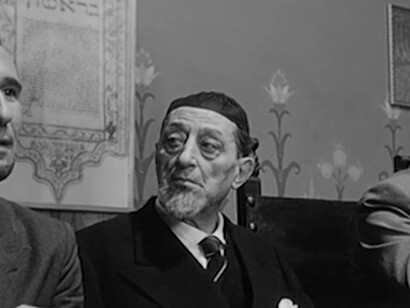
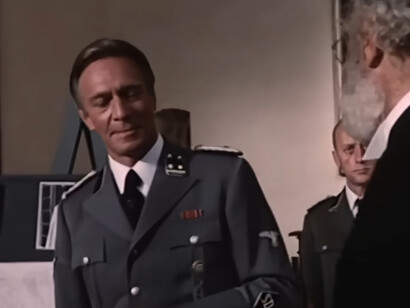
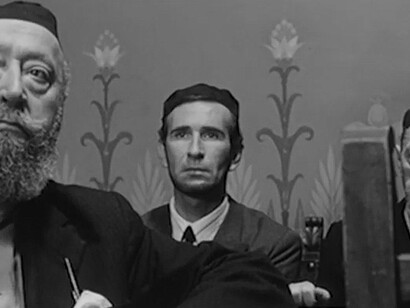
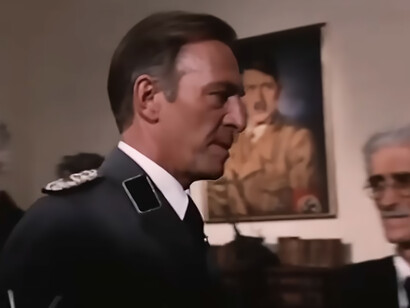
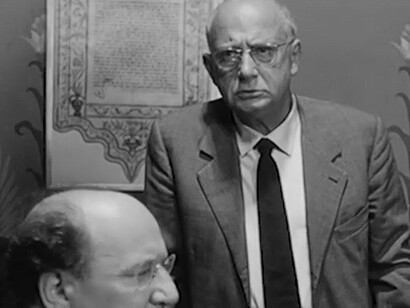
As a collaborator with the Jewish Museum of Rome, I often suggest that visitors watch two films dealing with the Jews of Rome during the Holocaust, The Gold of Rome (1961) and The Scarlet and the Black (1983). Visitors can check whether the films are available to stream or rent in their country before travelling. I also highly recommend taking a private guided tour with my colleagues from the museum. Why? Only my Roman Jewish colleagues from the community can provide personal insights into the Holocaust and share family stories that others may not be able to offer.
The museum’s educators provide an overview of their individual research into the fate of the Jews of Rome under Nazi occupation.
Literary sources available at the Jewish Museum of Rome
- For Italians of the Jewish Race: The Anti-Semitic Laws of 1938 and the Jews of Rome, exhibition catalogue edited by Yael Calò and Lia Toaff (2018).
It is important to understand that Jews are not a race. They are a people, an ethnicity, and adherents of a particular religion. The term “Italians of the Jewish Race” was grounded in pseudo-scientific racist thinking. Unfortunately, some of that racist thinking is rearing its ugly head again today.
- The Blackmail of Gold: Chronicle of an Extortion, Rome, 26–28 September 1943, edited by Yael Calò and Lia Toaff (2023).
This publication explores how the Roman Jewish community had only 36 hours to hand over 50 kilograms of gold. Failure to do so would result in the deportation of 200 members from the community. Was it known at the time that a little over 1,000 Jews would be deported, or was the deportation order expressed only in general terms?
- Enemy Number One: The Roundup of Jews on 16 October 1943 and Its Memory in Post-War Italy, edited by Yael Calò and Lia Toaff (2025).
The Italian Republic came into being in 1946 and continues to this day. This publication explores the complexity of the German occupation of Rome, the Jewish community’s awareness of the tragedy it suffered, and the event’s repercussions on the collective memory of the Italian Republic.
- The Drowned: Rome, October 16, 1943, edited by Yael Calò and Lia Toaff (2024).
At 5:30 a.m. on the cold, rainy Saturday of October 16, 1943, Nazi soldiers banged on the doors of Roman Jewish families, giving them a note in Italian with instructions to pack their belongings within 20 minutes. The arrests stopped at 2:00 p.m. What role, if any, did the Italian non-Jewish population play in the roundup and its aftermath?
Now, let’s look at Room 6 at the Jewish Museum of Rome
The educators at the Jewish Museum of Rome have addressed the Shoah through ongoing educational exhibitions, lectures, and books about the history of Italian Jews during the Nazi occupation.
The Roman Jews arrested on October 16, 1943, were taken to the Military College on Via della Lungara, where they awaited the deportation that would destroy lives and shatter family bonds through genocidal violence.
The Military College’s proximity to the Vatican also raises questions about Pope Pius XII’s actions after the arrests and throughout the Shoah. This remains an important subject of historical debate, and visitors interested in it can ask whether their guided tour includes the site and a discussion of the Pope’s role.
With guidance from a museum expert, visitors can learn about the precise location of the platform at Tiburtina station from which the train carrying the deportees departed for Auschwitz.
The five-day journey was marked by hunger, thirst, and difficulty breathing in severely overcrowded conditions. During the night of October 22, the train arrived at the Auschwitz-Birkenau extermination camp.
Of the 1,022 Jews arrested on October 16, 1943, only 16 survived: 15 men and one woman. In Room 6, visitors can watch the museum’s current documentary, in which the sole female survivor shares her testimony.
Visitors can also learn how and why this Roman Jewish woman survived. What was her story?
The victims’ and survivors’ stories are told through a wealth of documents, paintings, drawings, newspaper clippings, and objects from daily life, including clothes, jewellery, rings, family photographs, dishes, and eating utensils.
A guided tour with a museum educator can offer personal insights into Jewish life, particularly amid the present-day resurgence of antisemitism.
Learning from museum experts who are members of the Jewish Community of Rome helps visitors from around the world resist stereotypes, biases, and, most importantly, misconceptions that may lead to discrimination and violence against Jews.
Visitors gain knowledge, skills, and competencies that may empower them to contribute to a culture of human rights, which is greatly needed in today’s world.
Author’s note: Authentic photographs of the roundup in Rome on October 16, 1943, do not exist. Photographs used for this article are reproductions of images from films and photographs taken elsewhere in Europe.
I kept the Vatican tour wording conditional because the suggestions ask whether the guide visits the Military College and discusses Pius XII; the article does not establish that the tour does so.