English
 Español
 Français
 Deutsch
 Italiano
 Português
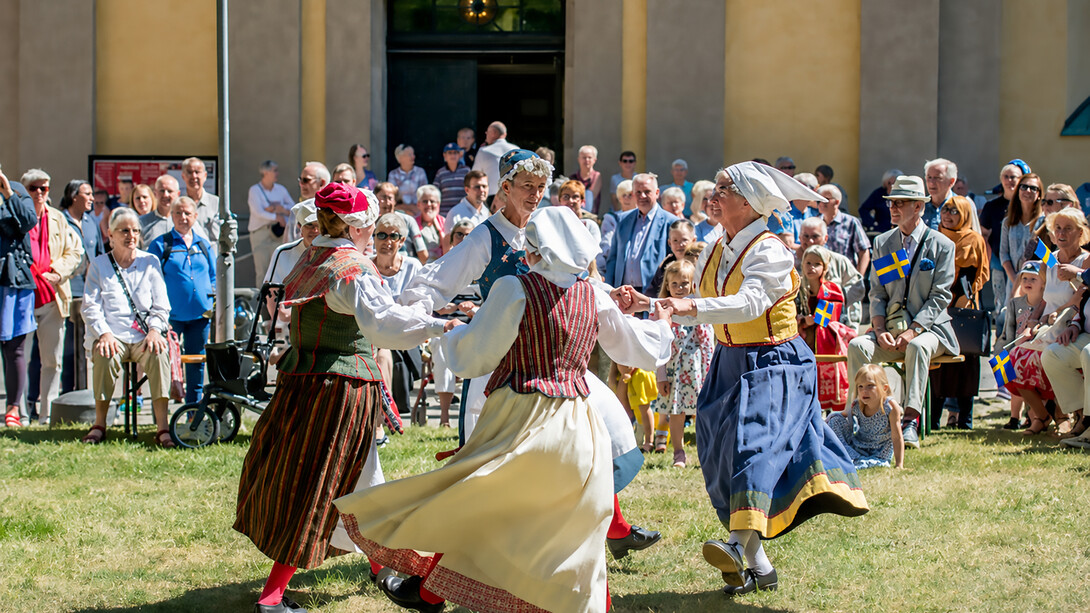
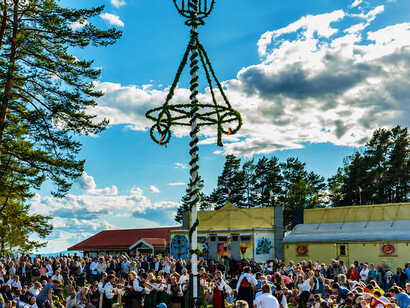
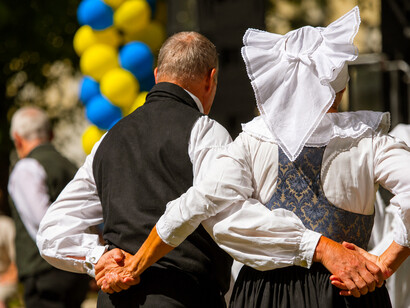
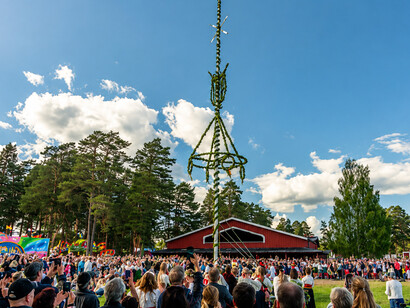
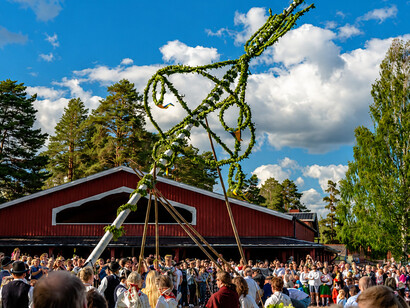
On any given evening across Sweden, something invisible yet essential is happening. In a small hall in Värmland, a folkdans group gathers to preserve ancestral movements. In Stockholm, a sports club welcomes teenagers who might otherwise be alone. In Dalarna, a heritage society documents family trees, connecting individuals to something larger than themselves. These are not merely leisure activities. They are the sinews of Swedish society—the associations that have historically woven our people together, creating trust, belonging, and collective identity across a nation of individuals who might otherwise remain strangers.
To understand Sweden is to understand this phenomenon. We are a relatively homogenous society with high social trust, not by accident, but by design and habit. This trust did not emerge from government mandates or corporate initiatives. It emerged from centuries of people choosing to organise together—in sports clubs, cultural societies, religious congregations, homestead communities, and countless other voluntary formations. These associations became our primary mechanism for building social capital, fostering like-mindedness, and maintaining the collective identity that allows a diverse range of individuals to feel they belong to something coherent. Through them, we discovered our shared values: transparency, accountability, democracy, and the belief that ordinary people could shape their own communities.
The diversity of these associations is itself significant. A Swede might participate in a football club, attend a traditional dance evening, research ancestry through a genealogical society, contribute to a homestead preservation community, and sit on a cultural board—all expressions of the same underlying impulse: to connect with others around shared meaning. Each association becomes a mirror in which Swedes recognise themselves and one another. This is not nostalgia. It is infrastructure.
The fabric begins to fray
Yet something has shifted. The challenges facing Swedish society in recent years have begun to fray this fabric in ways that demand our attention.
We face a mental health crisis among our youth that grows more acute each year. Loneliness is rising, despite (or perhaps because of) constant digital connectivity. The standards of expectation set by algorithmic feeds and social media are increasingly unreasonable, creating anxiety and inadequacy in young people who measure themselves against curated illusions. Dating has become transactional and fragmented. Safety throughout our society feels less certain than it once did. Organised criminality has taken root in ways that would have seemed unthinkable a generation ago. And the funding that once supported local associations has been redirected toward other priorities, as politics fixates on international conflicts and state-level concerns.
Trust must be protected
Within some associations themselves, problems have emerged. Financial mismanagement and embezzlement undermine trust in the very institutions meant to protect it. Without transparent governance and robust boards, associations can become vehicles for personal gain rather than community good. This corruption, however limited in scope, reverberates disproportionately—it damages the legitimacy of institutions already struggling for attention and resources.
There is another dimension, less discussed but equally significant: the honour and shame dynamics that persist in certain communities, limiting women's participation and self-determination. Traditions that once unified can become constraints that exclude. If associations are to serve as true engines of community belonging, they must actively work to include all voices, not merely preserve inherited hierarchies.
What kind of society are we building?
The question these challenges pose is not abstract. It is temporal: What future are we leaving for younger generations? And it carries within it an implicit recognition: the people sitting on the boards of these associations, the volunteers who organise events and maintain cultural traditions, and the local leaders who keep community life alive—they possess the power to make a real difference. But they cannot do it alone. They need structural support, adequate funding, policy frameworks that prioritise local cultural life, and broader social recognition that associations are not relics but essential infrastructure.
The solution is not to retreat into nostalgia or attempt to preserve the past unchanged. It is to invest in the future of associations themselves. We need more organised events and activities, particularly those that draw young people into participatory community life. We need transparency mechanisms and governance standards that prevent financial abuse while maintaining trust. We need policies that fund local cultural life as a public good, not a luxury. We need associations that actively welcome women, minorities, and new arrivals—expanding the definition of who belongs without erasing what holds us together.
The alternative is to accept a fragmented, isolated, digitally mediated existence in which individuals are disconnected from the local structures that historically provided meaning, safety, and belonging. That path leads toward precisely the mental health crisis, loneliness, and social dissolution we are already beginning to experience.
Swedish associations are not quaint traditions. They are the difference between a society held together by trust and one held together by fear or indifference. The work of revitalising them begins now, in local halls and community centres, with the people who have always understood that we are stronger together than alone.