English
 Español
 Français
 Deutsch
 Italiano
 Português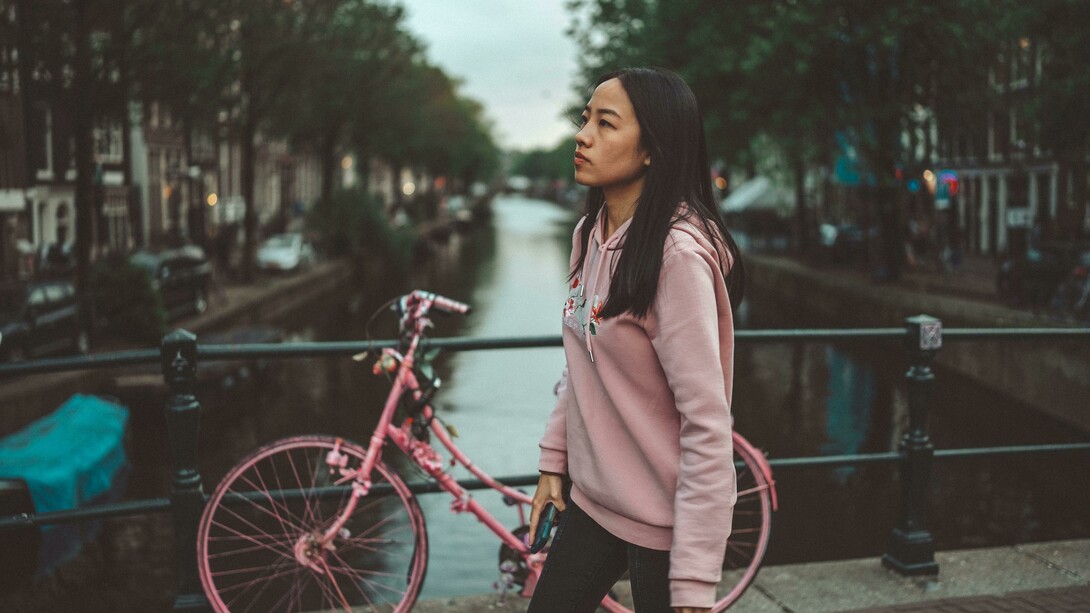
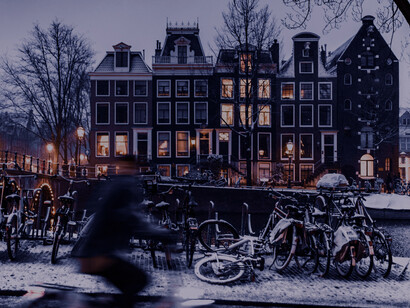
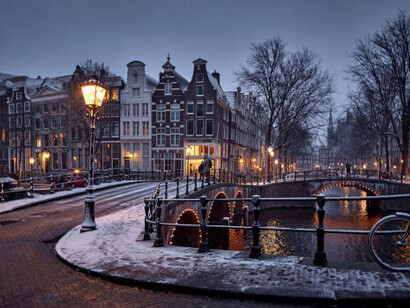
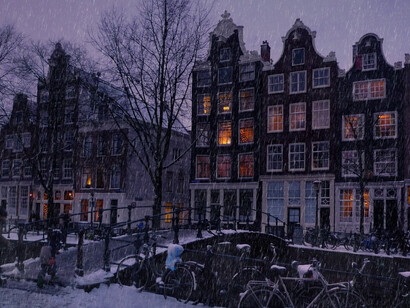
When I first arrived in the Netherlands, it was cold and snowing for a bit. Even though I’m 171 cm / 5’7ft, the generally taller people here made me feel pretty tiny.
This whole feeling of being subtly off soon changed, though, when I encountered something completely familiar, a seriously comforting reminder of home in this foreign place.
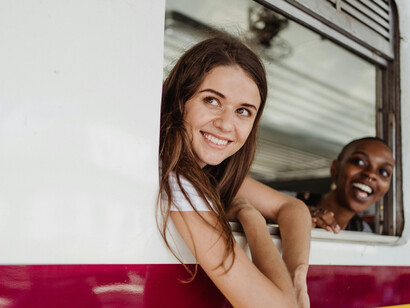
About a week after I got settled, I heard some women speaking Tagalog and Bisaya a few seats behind me on the train ride home. They were loud, their laughter was constant, and I felt this immediate, strong pull. It was a shared experience that totally transcended our physical differences. I desperately wanted to join them and just start chatting in our languages, but I held back. I wanted to know what the social rules were or how Filipinos behaved in this new context.
I gave them a quick smile when I "pretended" to go to the toilet. When I came back, I grabbed an available seat across the aisle and just listened, even with my AirPods on. At some point, one of their stories got me, and I couldn't help but let out a spontaneous laugh. They noticed.
Instead of getting mad, they warmly greeted me and asked if I understood them. When I said I was also Filipino, they looked genuinely surprised. They explained they thought I was from somewhere else because I was "tall and [had] a pointed nose." This whole routine, the way they positioned me as a foreigner in the Philippines or a "half-Filipino," is a sadly familiar cultural observation.
Sure, I took the comment casually, but it immediately sent me down a deeper line of questioning: Do things like height or nose shape really define who we are culturally?
That thought quickly moved past looks and into the background and where we came from.
As I stayed and chatted, mentioning that I moved here to study and had lived abroad before, their whole vibe changed. Their energy seemed to drop; there was this subtle, new distance. I figured they now saw me as someone from a privileged background.
That sudden distance was sad. They quickly started sharing their own jobs, such as caregiver, au pair, nanny, house cleaner, or the status of being at home with a supportive Dutch partner. Their stories were just the everyday struggles of the Filipino diaspora laid bare.
It made me ask a fundamental question about our community: Why do Filipinos abroad instantly categorize themselves into 'shared' or 'different' narratives, and does that categorization stop us from connecting?
They admitted they find people like me, the ones they see as "educated, working, or privileged," tough to approach. They assume we live in a completely different social class. They were excited to talk to someone outside their normal circle, but they were also clearly afraid that I might not get their humor or would judge them for their work.
One woman actually said, "Sometimes I lie about my work because they might judge me or not talk to me."
That quote revealed a complex reality, a social pressure that forces people to conceal their livelihoods just to be accepted by their own community.
The talk ended abruptly when they reached their stop for a friend's birthday party. They'd invited me earlier, but the invitation vanished as they were getting off. It left me alone and genuinely puzzled: Did the joy of finding kababayan instantly get overshadowed by the pain of being categorized and excluded?
These observations were not just about the people I met but also about my own reactions and feelings. I realized I needed to step back and observe this more broadly, not as a personal insult, but as a cultural pattern I needed to understand.
The dynamics of self-categorization
My observations were driven by a simple curiosity: How big and varied is this community?
Dutch government statistics indicate that the registered population of Filipinos (first and second generation) is approximately 17,000 individuals. Still, community groups estimate the actual presence is higher, over 20,000, once you include temporary workers, seafarers in ports like Rotterdam, students, and undocumented residents.
I sought out Filipinos from various walks of life. I met one guy at a restaurant who told me about a community group. This group, led by a self-proclaimed 'mayor,' reportedly screens potential members. They prefer individuals who are highly educated or have attended prestigious universities. The goal, apparently, is to ensure everyone is 'mind-connected.'
This story reveals a clear, persistent internal stratification within the diaspora. It makes you reflect: Why do these self-imposed hierarchies and exclusive conditions keep popping up among people who share the same heritage?
I had another run-in, this time with a group of titas (aunties) at a Filipino restaurant. They started whispering when they saw me with my Dutch boyfriend, who is young, tall, and white. This scene immediately calls up the typical stereotype of "a young Filipina girl with an older or senior man."
Look, I don't judge any couple's circumstances, but this stereotype is a constantly recurring theme in media and community gossip. The issue isn't the relationships; it's the ease with which external judgment gets passed and a single narrative takes over. The titas were welcoming in the end, saying they were proud of my story. But this still led me to wonder: How many diverse stories are we missing because they don't fit the established stereotype of Filipino life abroad?
The paradox of progress
The issues of division even creep into how the LGBTQIA+ community is treated. We Filipinos abroad often live in societies that champion equality and diverse sexualities, yet some people in our diaspora still discriminate against and gossip about their LGBTQ+ kababayan. Acceptance usually feels conditional—only there when it's convenient or when the person is doing something socially beneficial.
This irony is particularly frustrating to consider. This behavior is probably still rooted in the sometimes-incomplete understanding of LGBTQIA+ issues back in the Philippines. I've heard people say that some Filipinos are more critical and judgmental of their own fellow citizens than the Dutch or other nationalities. This phenomenon is genuinely unsettling and warrants further examination.
Other challenging behaviors exist, too, like the exploitation of kababayan in human cases and the casual abuse of generosity. I'm talking about people who show up to dinners, take advantage of the free food, don't reciprocate, and sometimes even complain afterwards for not getting enough leftovers, or "Sharon."
My goal in presenting these observations isn't to criticize. It’s to map out a complex situation and try to understand why these divisions, class biases, and judgments exist within a community that should be offering unconditional mutual support.
The Netherlands is usually recognized as a welcoming country for migrants and the LGBTQIA+ community. The Dutch way of life, characterized by directness and a less dramatic approach, presents a stark contrast to Filipino culture. Perhaps we have an opportunity here to learn a few new lessons—such as being direct and honest—while still intentionally celebrating and preserving the most vital, unifying aspects of our Filipino heritage.