English
 Español
 Français
 Deutsch
 Italiano
 Português
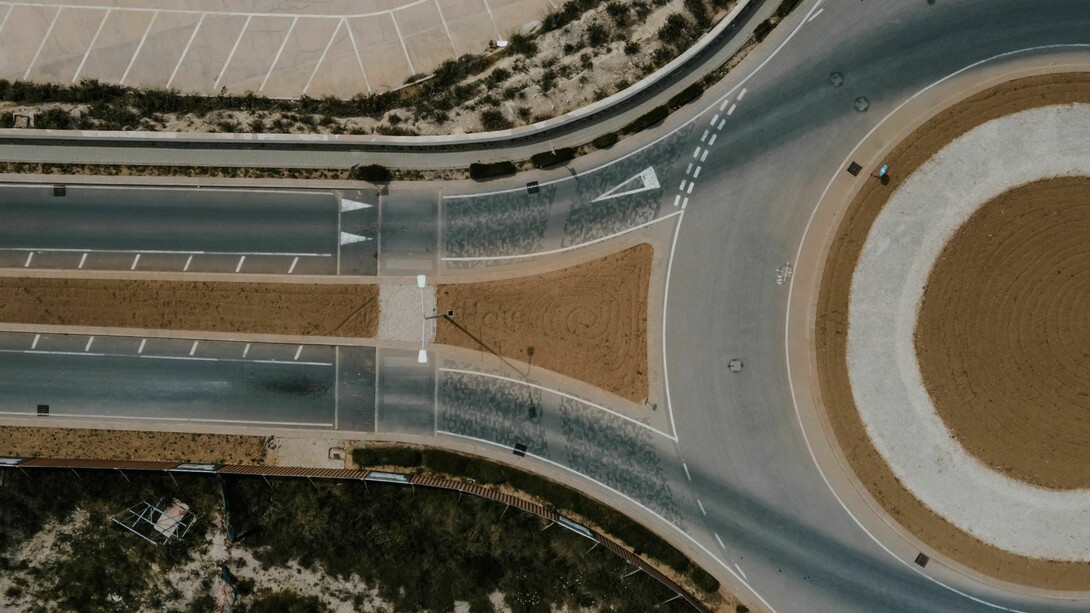
In the midst of extreme weather events, roadways saturated or washed away by floodwaters or a major city enduring a week-long power outage after a crippling heat dome are unfortunately and increasingly common. However, those same areas can be designed to absorb and withstand such weather events.
Proactive environmental planning is the foundation for a secure future and economic stability. Achieving climate resilience is where technological, scientific, and architectural innovations converge to meet the world's most pressing environmental and infrastructural challenges.
Why old infrastructure is failing
Existing infrastructure was formed on the premise that the world was living in an unchanging and predictable climate. However, the intricate web of roads, bridges, water systems, and power plants is facing dire environmental challenges it wasn't meant to, resulting in catastrophic design failures.
A world of extremes
In the 20th century, the climate was relatively stable — no one could imagine the changes yet to come in the 21st century. Today, extreme precipitation, increasingly hot temperatures, windstorms, snow and ice, and wildfires have replaced predictability. Heat waves may cause railways to buckle, while floods overpower storm drainage systems. Along coastlines, rising seas erode natural barriers and human-made structures.
The infrastructural collapse comes with a staggering economic price. According to the United Nations Office for Disaster Risk Reduction, these disaster-related damages rose from $70 billion to $80 billion1 from 1970 to 2000, then from $180 billion to $200 billion between 2001 and 2020. When experts factor in ecological damage, the annual global cost of disasters surpasses $2.3 trillion.
The domino effect of failure
The breakdown of critical infrastructure can have tremendous, cascading effects throughout a community. If a bridge washes away in a flood, it disrupts traffic and supply chains, preventing food, fuel, and medical deliveries. This can cause substantial financial losses through business shutdowns and spoiled goods. Meanwhile, rebuilding adds another financial strain.
Over the long term, the system failures impact economies, erode investor confidence, and lower property values. Business owners might choose to rebuild elsewhere as insurance companies raise premiums for those who remain. Communities might then struggle to attract new investments and people for years to come.
Infrastructural breakdowns can also threaten public health and safety. Many regions have experienced prolonged heat waves in recent years, during which citizens and hospitals had to go without air conditioning. Floodwaters have also contaminated water treatment plants, putting districts at risk of drinking water contamination long after the storms pass. This chain of events shows how quickly a single infrastructural failure can lead to a societal crisis.
Environmental planning for eco-adaptive infrastructure
Environmental planning is the strategic foundation of climate resilience, looking beyond quick fixes and integrating nature-based designs and new-age technologies. The approach defends communities against multiple hazards while simultaneously strengthening infrastructure, economies, and ecosystems.
Green infrastructure
Embracing green infrastructure is one of the most efficient ways to incorporate natural systems into the built world, working with nature instead of against it. Solutions often include green roofs, permeable surfaces, urban forests, and restored wetlands.
For instance, permeable roads absorb stormwater into the ground, reducing runoff and urban flood risks. The strategies also help improve air quality, decrease the urban heat island effect, and boost biodiversity by creating new habitats.
Of course, successful implementation depends on comprehensive planning, site assessment, and continuous monitoring. Engineers must identify and mitigate environmental risks2 early to ensure each project meets the scope, time, and budget.
Predictive modeling and AI in planning
Artificial intelligence (AI) and predictive analytics are setting the stage for more resilient infrastructure. Planners can use AI and climate modeling to determine risks with greater certainty and simulate future scenarios. For instance, they might predict how a Category 4 hurricane or prolonged heat wave might impact critical infrastructure two or three decades in the future.
Researchers are also experimenting with digital twins, which create virtual models that mirror3 physical structures. Digital twins technology uses sensor-collected real-time data to stress-test a structure against simulated climate scenarios. The technology could measure the building's energy outputs and temperature performance under various weather conditions.
The use of digital twins promotes smarter material and construction decisions. It also enables predictive maintenance, making recommendations before system failures occur. This reduces downtime and improves reliability, allowing for more complete infrastructure life cycle management.
Global case studies in climate resilience
Nations worldwide are not sitting idly by as the next disaster strikes. Instead, they are taking a proactive approach to environmental planning for a more resilient tomorrow. The Netherlands and Singapore, in particular, are setting an example for the rest of the world.
Room for the River in the Netherlands
The Netherlands is under constant threat of rising river levels, forcing its government to implement the Room for the River project. This transformative program veers from traditional flood defense strategies, such as building higher walls, and gives rivers more room to flow.
The national water authority, Rijkswaterstaat, leads the project, re-engineering 30 locations to enhance4 river capacity. Among its initiatives are moving dikes further inland and lowering floodplains for temporary storage. It is also creating new flood channels.
The IJsseldelta project, in particular, is designed with deeper shipping channels and a new flood channel. This will fill during periods of high water tables, so the river discharges at a larger volume and more quickly, alleviating pressure on the entire system and reducing the risk of costly loss.
Urban cooling in Singapore
Singapore's downtown area can sometimes be 10° Fahrenheit hotter5 than the surrounding communities outside of the city. The city-state has also experienced warming twice the global average over the past six decades, leading to chronic illness and fatalities. To tackle the worsening urban heat island effect, it has taken a multilateral approach to climate resilience.
In Singapore, greenery is a critical element of its infrastructure. Among its strategies, it has implemented widespread tree planting, green corridors for cool air circulation, reflective rooftops, and district-wide cooling systems that rely on centralized chilled water.
Additionally, new construction must meet updated smart urban building standards, including a specific orientation to reduce solar exposure and maximize airflow. The combination of nature-based solutions, cutting-edge technologies, and thoughtful design helps make Singapore more livable and resilient against climate change.
The professional's toolkit for building the future
The transition to climate-resilient infrastructure requires cooperation among the scientific community, the construction sector, and governments. It also demands that architects and engineers lean into modern technologies for more sophisticated environmental planning.
AI-powered climate simulation software and digital twins ensure designs withstand future climate scenarios. Project success also greatly depends on gaining an in-depth understanding of material science, innovation, and proper selection.
Pursuing green building and resilient design certifications demonstrates specialized expertise and the use of advanced digital tools. Backed by progressive government policies, updated building codes, and funding programs, practitioners can help create safer, more durable built environments worldwide.
Refining a resilient legacy
To ensure future infrastructure can withstand climate change impacts, cities must shift from reactive to proactive adaptation. Transformation presents numerous present-day challenges, but also plenty of opportunities for positive change.
Rather than continuing to build with outdated methods, the world must look ahead to green, resilient systems that actually protect communities and prevent future disasters and errors.
Notes
1 2025 Global Assessment Report on Disaster Risk Reduction (GAR) at the United Nations Office for Disaster Risk Reduction.
2 Sustainable Development for Public Spaces: Environmental Services in Government Projects at ECS.
3 Literature Review of Digital Twin Technologies for Civil Infrastructure at ScienceDirect.
4 Room for the River by Rijkswaterstaat.
5 How to Cool Down a City at The New York Times.