English
 Español
 Français
 Deutsch
 Italiano
 Português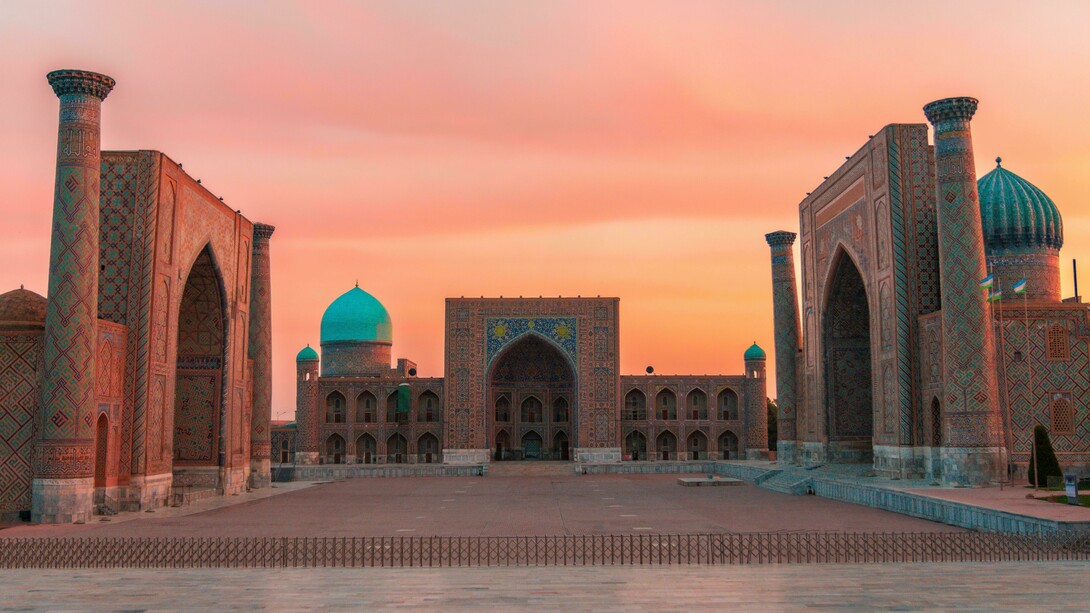
Driving through Uzbekistan, one has this unwavering feeling of movement through time—a living museum of architecture where past and present coexist in a harmonious relationship seldom seen. From Samarkand's blue domes to the skyscrapers of Tashkent, the landscape of Uzbekistan narrates a story of empires, ideologies, and aspirations intertwined in brick, marble, and concrete. Indeed, not many countries in the world can offer such architectural diversity within such a compact space.
The architecture of Uzbekistan reflects its geography as the crossing point of civilizations, where historical influences from different empires and modern innovation left their mark. Monuments in this country are not just remnants of the past but living symbols of how Uzbek identity has evolved. Every archway, courtyard, and minaret whispers a different chapter of this nation's great history.
Starting with the 9th and 10th centuries, when Islam started to exert a great influence on the cultural and artistic life of Central Asia, the earliest architectural wonders of Uzbekistan started developing. The cities of Bukhara and Khiva became major centers of scholarship and spirituality. During this period, many mosques and madrasas were built.
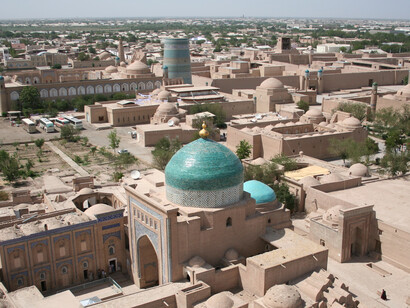
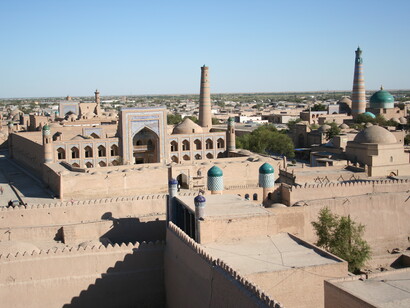
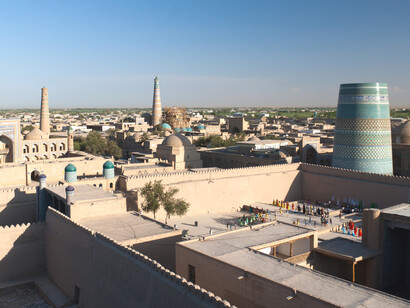
In Bukhara, the Kalyan Minaret has stood sentinel over the town for almost nine centuries, through Mongol invasions and earthquakes alike. Built in 1127, its patterns of baked brick and perfectly proportioned form became the model for later Islamic architecture all over Central Asia. Another open-air museum, this time of early Islamic design, is the ancient city of Khiva, now a UNESCO World Heritage Site, with defensive walls and sun-dried clay structures preserving the simplicity and harmony of medieval craftsmanship.
If early Islamic architecture gave Uzbekistan its foundation, it was the Timurid era that gave it grandeur. In the 14th and 15th centuries, Amir Timur, the national hero of Uzbekistan, turned his empire's capital, Samarkand, into one of the most magnificent cities in the world. Here, architecture became a declaration of power and vision.
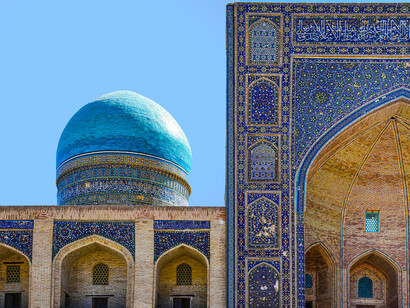
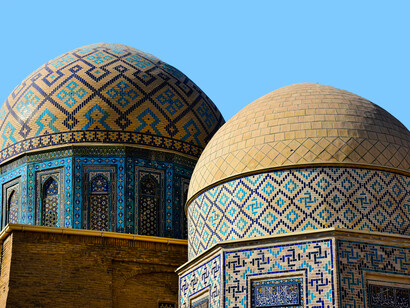
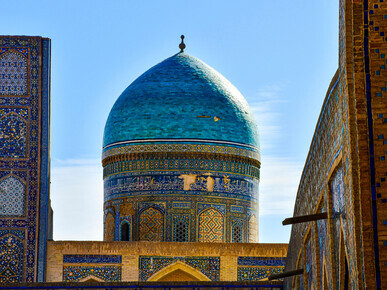
Registan Square, with three impressive madrasahs, is the country's most recognizable symbol. Fascinating mosaics, calligraphy, and the perfection of symmetry are not just a sight to behold but are imbued with a kind of philosophy whereby art, mathematics, and faith intermingle. The Bibi-Khanym Mosque with its blue domes and the Shah-i-Zinda necropolis with its refined tile carvings are evidence of an era of artistic awakening that rivalled the European Renaissance. Timur's grandson, Ulugh Beg, added another layer: science and education. His observatory in Samarkand, built in the 1420s, was one of the most advanced astronomical centers of its time. It was during the Shaybanid period that building architectural monuments continued.
Centuries later, Russian expansion brought new architectural languages to the region. Following the incorporation of the Uzbek cities into the Russian empire, European influences began reshaping urban layouts. Neoclassical facades, Orthodox churches, and government buildings joined traditional madrasas and bazaars in a multicultural dialogue of East and West.
It was, however, during the Soviet period that an even bolder transformation took place. After the devastating earthquake in 1966, the capital was almost entirely rebuilt. During that period, it became a field of experimentation for architects playing with modernism, brutalism, and futurist ideas while trying to respect local identity.
The Tashkent Metro is considered one of the most beautiful in the world and is a perfect symbol of this era. Each station tells a story, from Kosmonavtlar with its cosmic theme to Alisher Navoi with its marble and glass, blending socialist optimism with Uzbek ornamentation. Buildings such as the Hotel Uzbekistan and the Palace of Friendship of Peoples remain striking examples of Soviet-era design that still define Tashkent’s identity today.
Since independence in 1991, Uzbekistan has been rediscovering its architectural voice. The last twenty years have seen an active effort to restore, preserve, and reinterpret the nation's built heritage. Under the government of President Shavkat Mirziyoyev, dozens of restoration projects have revived historical monuments while encouraging new, world-class designs that speak to global audiences.
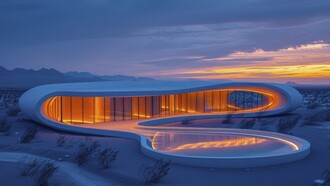
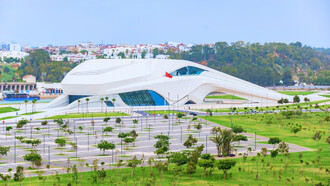
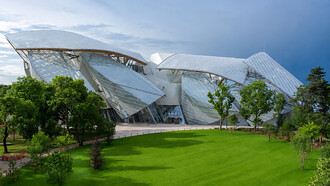
It symbolizes this new era: Tashkent City represents the modern business district of the capital. Here, contemporary architecture goes in line with local tradition. Projects by global firms like Zaha Hadid Architects and Tadao Ando reshape the urban skyline but still draw inspiration from Uzbekistan's geometric patterns and natural materials.
At the same time, sustainability is also becoming a guiding principle across the country. Modern Uzbek architects are taking a cue from their ancient peers, using thick clay walls for insulation, natural ventilation systems, and locally sourced bricks to create environmentally friendly designs suited to the harsh continental climate.
Nowadays, Uzbekistan finds itself at the interesting juncture of retaining Silk Road identity while building a modern identity for the 21st century. The forthcoming "New Tashkent City" is envisioned as a green, smart extension of the capital that fuses modern infrastructure with traditional aesthetics. Meanwhile, events such as the Bukhara Biennale are starting to bring Uzbek design into the global consciousness.
What makes the architecture of Uzbekistan special is not just its variety but also its continuity. From the baked bricks of Bukhara to the mirrored glass towers of Tashkent, every generation has built upon that which came before. Few nations have managed to balance heritage and progress so nicely. Further, this diversity of architecture in Uzbekistan and its harmony goes on to develop tourism in the country.