English
 Español
 Français
 Deutsch
 Italiano
 Português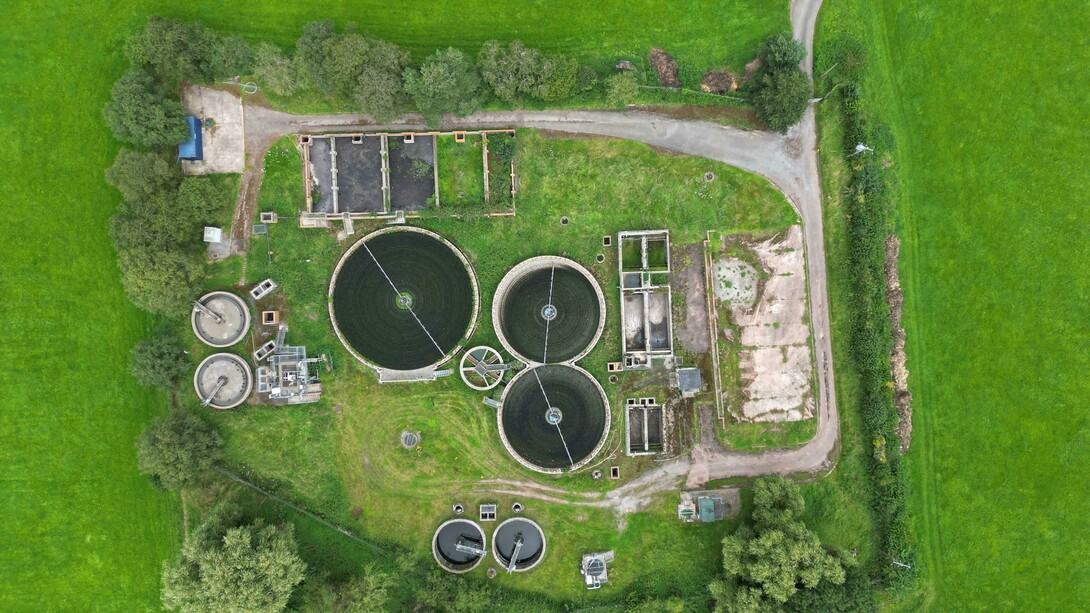
Although water covers most of the planet, very little is usable. Those living in densely populated urban areas often don’t realize that clean, fresh water is scarce since they benefit from robust municipal infrastructure. Rainwater collection systems are vital for survival worldwide, especially in arid or drought-prone climates. Many still collect rainwater from water tanks, paved runoff channels or rain barrels. These systems are effective, but simple. What if water conservation were a larger part of new construction? Worldwide, architects have devised unique answers to this question. Their innovative water-harvesting architecture could prompt people to rethink modern design.
Key principles of water harvesting in architecture
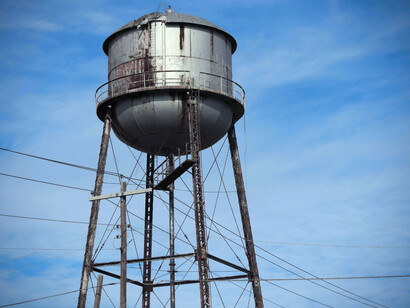
A rainwater collection system has four key components. The first is a catchment surface — a rooftop, downspout, or slope that intercepts and directs precipitation. It channels the water into storage for future use. Modern designs should incorporate filtration and first-flush diversions to remove contaminants. The delivery system moves water as necessary to reduce manual labor. Many traditional systems lack these core elements. The rain barrel is an excellent example. It only collects the rainwater that falls directly overhead. How could professionals upgrade it for modern architecture?
Researchers, engineers and students at UC Santa Cruz brought this age-old blueprint into the 21st century with a few simple design improvements. They used a $100,000 grant1 to develop a system that comprises a 500-gallon rooftop tank, pipes and filters. Rainwater passes through a mesh filter and a first flush diverter to remove debris like leaves, dirt, bird droppings, and dust. The main storage tank connects to PVC pipes that snake over raised garden beds. Since they rely on gravity and not pumps, they don’t need electricity to operate. They use drip irrigation, which conserves more water than sprinklers or hoses. Drought-prone urban areas could benefit from this low-cost rainwater harvesting system. Other traditional water harvesting architecture has been refined, too. For instance, green buildings are an evolution of bioswales. Architects realized that rooftops and walls were being underutilized as catchment surfaces. Vegetation is excellent for water filtration2 and pollutant control. Unlike other solutions, it is self-healing. Native plants are exceptionally durable.
Water conservation’s role in the built environment
Water seems abundant because it is everywhere. It even falls from the sky. However, less than 1% is available3 for human utilization. Most is saltwater or graywater. The rest is either trapped in glaciers or too impractical to use. Conservation efforts help ensure everyone has access to clean, fresh water. Despite scarcity, architects have not been focused on water conservation until recently. Flooding caused by stormwater runoff was considered normal in cities. People didn’t pay any mind to the rainwater that poured down the drains, but resource-hungry buildings like data centers are becoming common. Worldwide, more are beginning to realize how precious freshwater is. This growing awareness triggered a design philosophy shift. Architecture’s role in sustainable water management is becoming increasingly prominent. While it is mainly seen in dry, drought- prone regions, it is slowly spreading. Climate change, green building certifications and urbanization are fast-tracking adoption.
Creative ways to save water with building design
Revisiting traditional rainwater collection systems has allowed creative architects to develop even better ways to save water. Modern designs revitalize rainwater and runoff management.
A drought-resilient residential building
Temascaltepec de González, Mexico, is nestled in the mountains west of Mexico City. This water-scarce region experiences dry winters and scorching summers. The Rain Harvest Home is the prototype for a 450-acre community called La Reserva el Peñón. It comprises a house, bathhouse, art studio, swimming pool and garden. The eye-catching burnt wood facade and volcanic stone foundation are impressive, but they aren’t the main attraction. The home passively gathers, treats, and stores rainwater and graywater using bioswales, green roofs and underground reservoirs. This system supplies 100% of its water4, independent of local utilities. Each home in La Reserva must get 60% of its water from personal rainwater recycling systems, with the community’s multiple reservoirs providing the remainder. The Rain Harvest Home goes beyond that. It is water-positive, feeding excess back to the shared reservoirs.
An urban high-rise with a unique facade
The Burj Khalifa is an urban high-rise in Dubai, United Arab Emirates. At peak consumption, its cooling system which distributes an ice slurry through the pipes, has a cooling capacity equivalent to 10,000 tonnes5 of melting ice. In Dubai’s hot climate, it creates considerable condensation. An innovative condensate collection system captures these droplets. A drainage system routes everything into a storage tank in the basement parking lot. On average, it supplies around 15 million gallons of water annually, most of which is used for irrigation. “The Park” is a large garden at the base of the building. It needs lots of moisture to withstand Dubai’s severe temperatures.
Refining existing rainwater collection systems
Refining traditional systems is an excellent way to eliminate design flaws and accelerate prototyping. While one-of-a-kind inventions are revolutionary, the best solutions are versatile. Future water saving projects should keep this in mind. Cutting-edge water harvesting architecture is fascinating, but implementing it at scale can be challenging. Effective solutions must be affordable, scalable and practical, like the 500-gallon tank from the UC Santa Cruz students or the reservoir at La Reserva.
Notes
1 UC Santa Cruz News, Innovative and artful rainwater harvesting nourishes gardens and hope, Collin Blinder, 20 May 2025.
2 RC Mowers, Retention Pond Mowing, 17 June 2025.
3 Renovated, 11 Simple Tips for Saving Water in Your Home, Peter Chambers, 7 March 2023.
4 Architizer, Rain Harvest Home, 3 March 2023.
5 Commercial Interior Design, How Dubai’s Burj Khalifa was built: Design, foundations, cladding and urban myths, Staff Writer, 4 July 2023.