English
 Español
 Français
 Deutsch
 Italiano
 Português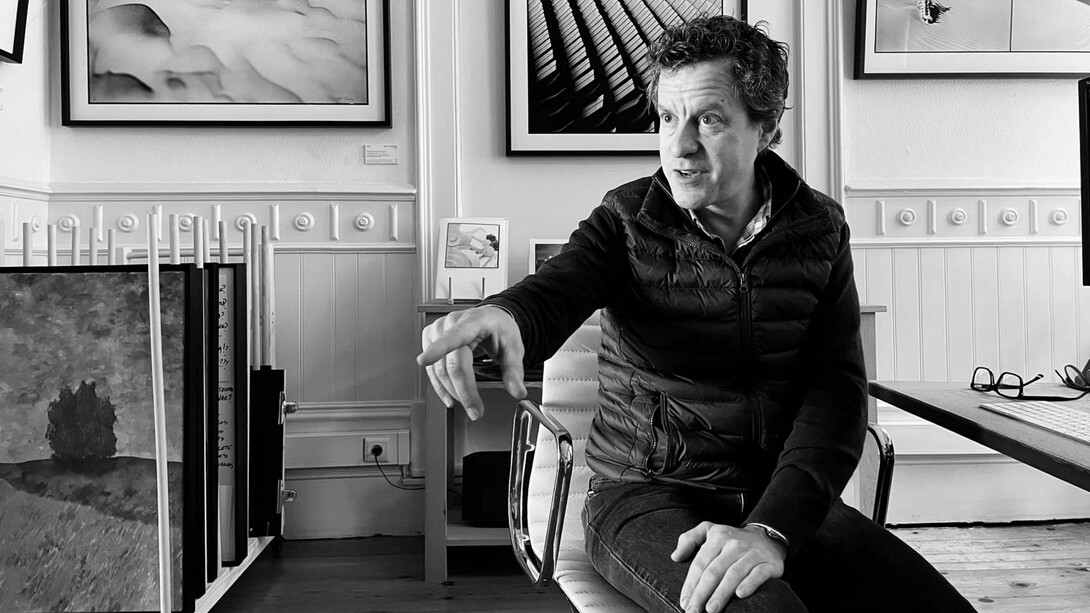
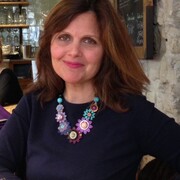
American photographer Mark Tomaras, 52, has over thirty-two years of work experience. Originally from Chicago and educated at Loyola University Chicago, Tomaras has lived in several countries, including South Korea, Thailand, Argentina, and, for the last seven years, Portugal.
Tomaras came to Miami solely for work, and ultimately this led him to make Porto his home. Little did he know he would meet Barbara Tomaras, his future wife, in Miami. After ten years in Florida, they did not want to stay any longer there and moved to Portugal. Though Tomaras had already lived in four countries and three continents, he had never lived in Europe before. In 2019, they made the change. The move brought the opportunity to explore, diversify his business, and reinvent himself.
Mark Tomaras Studio is located in the heart of Barrio das Artes (neighborhood of the arts) in Cedofeita, focused on Rua de Miguel Bombarda and the surrounding area. Every two months, many of the art galleries on the block have their openings on the same night, referenced as Inaugurações Simultâneas (simultaneous openings) held six times a year. It was at one of these events that my husband and I discovered Tomaras’s studio on Rua de Miguel Bombarda.
Upon entering Tomaras’s studio, we were dazzled by the scale and colors: orange, blues, white, and black; the reflection of dozens of mirrors in the Mojave Desert, California. The photograph pulls us in to see and experience the story of contrasts: one of the natural beauty of the desert mountains and sky, and the other a field of ubiquitous industrial solar panels at the Ivanpah Solar Power Station.
Initially, I was momentarily unaware of what the subject matter was and only focused my attention on seeing shapes, colors, light, contrast, and composition. The shapes of the solar panels reminded me of oversized, iconic, and now defunct paper metro tickets. The aesthetics of this series of seven brings to mind the celebrated American painter Edward Ruscha, who transformed the mundane California freeways of Los Angeles and the Mojave Desert into cinematic art; in this case, Tomaras transformed industrial solar panel form into art framed by the backdrop of mountains.
Another series that caught my eye in Tomaras’s work was black-and-white dandelion pappi. Once again, Tomaras draws our attention to beauty in the ordinary and, for many of us, to a shared childhood memory of unknowingly assisting the pappi in releasing their seeds and watching in wonder as these gentle forms unravel quickly, leaving nothing but a barren, awkward-looking stem.
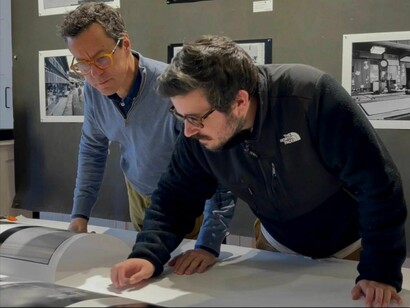
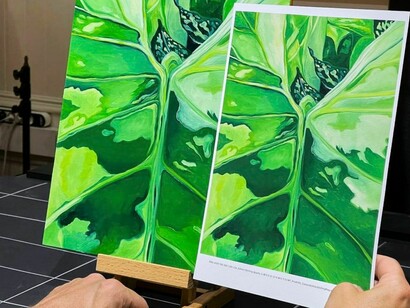
Mark Tomaras Studio specializes in fine art, documentary, and commercial photography. He got a start in the beverage industry with Diageo Stateside, making Porto the perfect fit for wine and culinary markets. Artists and photographers seek him out for high-quality art photography of their art, for marketing purposes, websites, marketing materials, postcards, brochures, and museum-quality fine art reproduction such as limited edition Giclée prints. They provide artists with an additional stream of income and expand their reach to a wider audience of collectors. He offers a range of photography workshops, including composition, digital photography, private classes, and walking tours.
How does the paper you choose affect printing, and why does it matter?
The quality of paper matters, and Alpha-cellulose is the purest and most stable cellulose made from wood pulp with its impurities removed; it prevents yellowing over time. Most fine art papers are made of cotton. It is important to use archival acid-free paper to prevent the images from fading, and Inkjet coatings are made to receive and hold ink.
Do you think you will change countries again?
At this stage in my life, Portugal is just perfect. When I met my wife-to-be, I was a little older, a little more mature. The decision was made quite deliberately. We did not do it for business, as it’s easier to make money in America. We wanted a better place for our children to grow up and a more comfortable place to live.
Black and white or color?
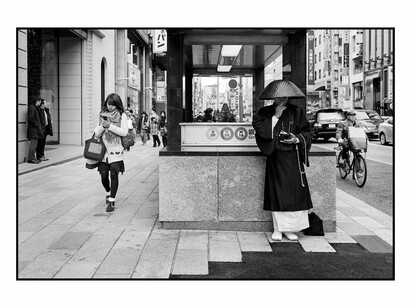
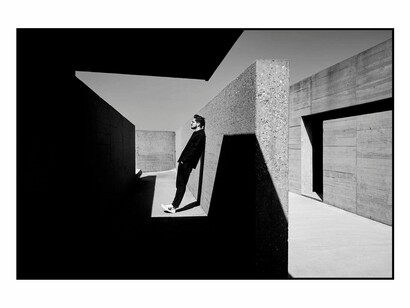
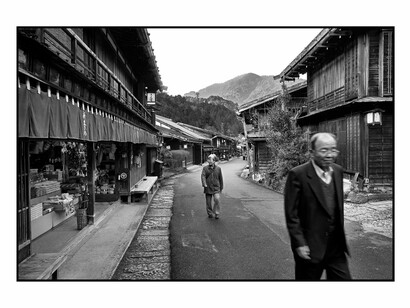
I got a special place in my heart for black and white. I started my working career in a studio in Chicago owned by Steven Gross. We shot, processed film negatives, hand-processed in the film rooms, hand- printed in darkrooms in a traditional manner, and because of it, I feel black and white solidified its hold over me. Some photographs want to be color, and others black and white. I almost default to black and white, and don’t get me wrong, I still appreciate color.
Do you have any tips for the amateur photographer?
Question yourself: are you in the best position or place to get the best shot? The photographer Robert Capa said, “If your pictures aren’t good enough, you aren’t close enough.”
Could you tell me more about the equipment you use - cameras and printers?
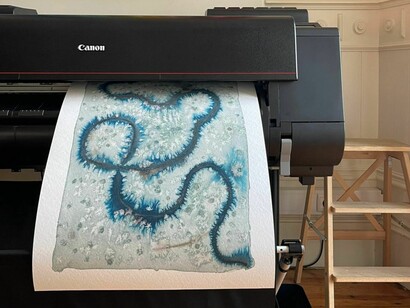
I use two cameras: a medium format digital camera for the studio, with high-resolution and high-end lenses, and a less obtrusive camera for walking around. I have had several printers, and the fine-art printer I have from Canon is a magical machine.
What’s one of your favorite restaurants in Porto?
Solar Minho de Vento
What makes a good photograph?
Henri Cartier-Bresson’s said, “ To me, photography is the simultaneous recognition, in a fraction of a second, of the significance of an event as well as of a precise organization of forms which gave that event its proper expression,” from his book The Decisive Moment.