English
 Español
 Français
 Deutsch
 Italiano
 Português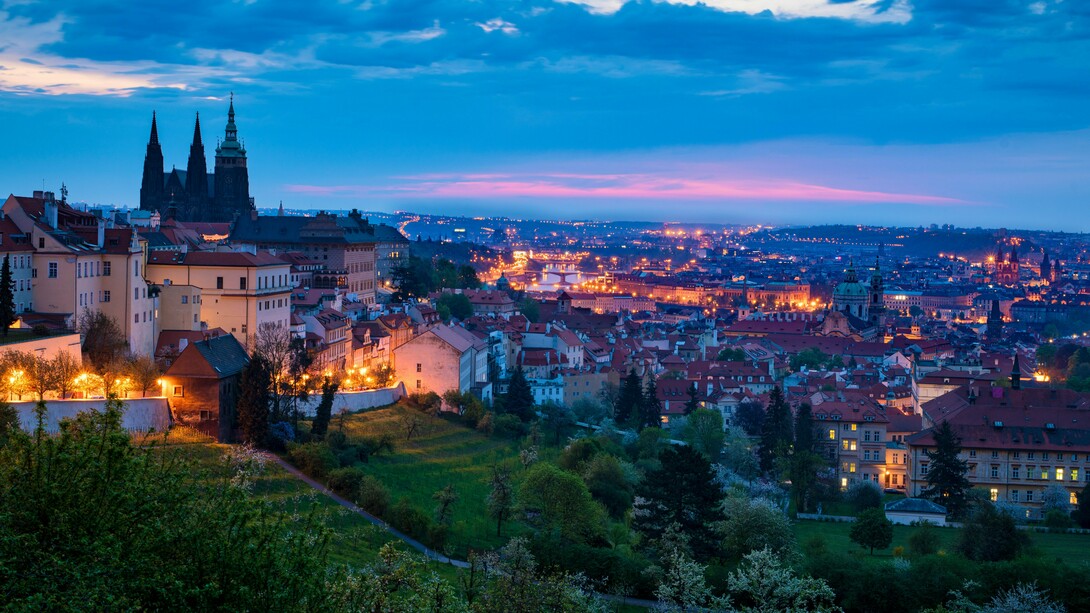
If European cities were a necklace, Prague would be a diamond among the pearls.
(Anonymous)
I might be biased, but I must describe Prague as the heart of Europe. Its central location plays a big part in this impression. This is maybe because I was travelling by bus from Germany or Vienna, and then I had this distinct sense that I was heading right into the heart of the continent.
While I am still in the Philippines and before visiting Prague, I often thought of cities in countries like Switzerland, Italy, Spain, or Germany as the most captivating. However, once you've been to Prague, you realise it possesses a unique charm that sets it apart. Its beauty is everywhere, with every corner seeming to tell a story. It’s no surprise that Prague is often called the jewel of Europe.
The primary reason for my visit to this city was to attend the 2023 International Federation of Social Work (IFSW) Conference in Europe, which brought together participants from nearly 88 countries. Being my first time at an IFSW Conference, I was thrilled to meet social work professionals from diverse backgrounds, including practitioners and educators from around the globe. The three-day event deepened my understanding of the critical role social work plays worldwide. Engaging with brilliant minds from across the field inspired me to reflect on the profound beauty and impact of my profession.
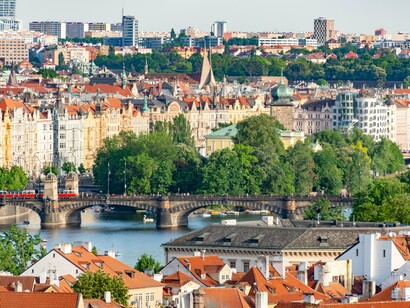
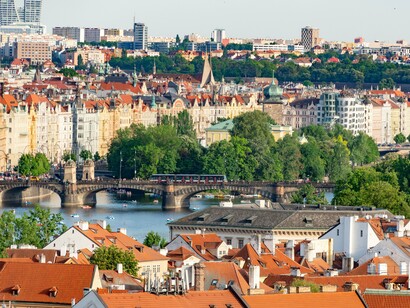
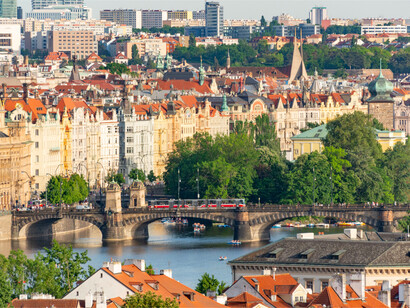
At the conference, I had the opportunity to present my paper, The Practice of Green Social Work in the Context of Protected Areas in the Philippines: Input for Curriculum Development. After connecting with professionals, networking, and attending various presentations, I decided to take a moment to appreciate the beauty of Prague. From the Convention Center, I admired the city's stunning view, with its nearly uniform red rooftops creating a picturesque scene.
On my first day in the city center, I was drawn to the Prague Astronomical Clock, or Prague Orloj, a medieval masterpiece on the Old Town Hall in Prague, the capital of the Czech Republic. This clock is extraordinary, not only because it tells the 24-hour time but also because it displays the positions of the sun and moon, along with other fascinating astronomical details. When the clock began to chime, a crowd gathered to watch its intricate movements, creating the feel of a live spectacle. The synchronised motion of the clock’s elements was mesmerising. To add to the lively atmosphere, some visitors dressed in costumes, like Superman, and posed for photos in front of the iconic clock.
Prague Castle is a historic complex in Prague and holds the Guinness World Record as the largest ancient castle in the world. Serving as the official residence and workplace of the Czech Republic’s president, it has been a centre of power since its construction in the 9th century, hosting Bohemian kings, Holy Roman emperors, and Czechoslovakian presidents. During my visit, I took countless photos of the castle. As someone unfamiliar with castles, seeing one in person for the first time in Europe was awe-inspiring. I was also struck by an unexpected moment of self-awareness when some Filipinos didn’t immediately recognize me as Filipino until I spoke to them—they thought I was from another nationality.
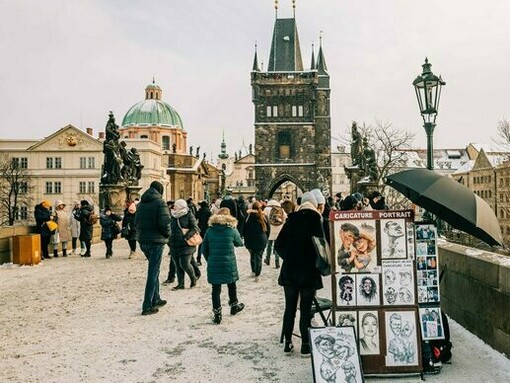
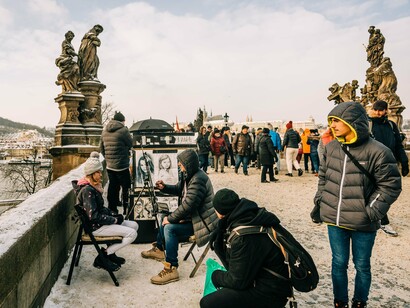
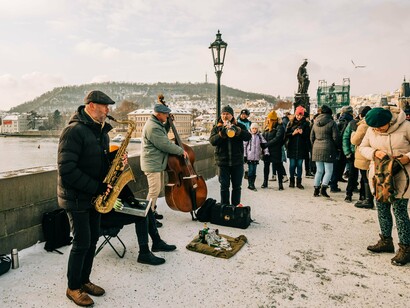
From the castle, I walked toward the Charles Bridge, enjoying the view of the Vltava River, dotted with numerous bridges and statues. The Charles Bridge is the oldest bridge in Prague, connecting the Old Town (Staré Město) with the Malá Strana district, where Prague Castle is located. Constructed between 1357 and 1402, it was the only bridge in the city to span the Vltava River. One of the best things about walking on the bridge is encountering people from all over the world and listening to various local musicians performing. The bridge is also a hub for artists, some of whom offer to sketch you for around 20 euros. It’s also where I bought a pair of earrings as a souvenir to remind me of Prague’s beauty.
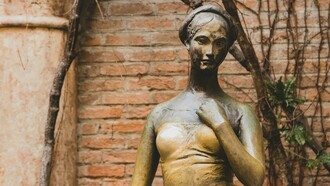
Everywhere you look in Prague, there’s a sense of charm and joy. The city is full of life and vibrancy. I also observed that the local people are tourist-friendly; they are willing to take your photos if you are alone. Even the buildings in Prague are adorned with numerous statues, many of which feature women with elaborate decorations. It struck me as a city that truly celebrates the beauty of women, a theme evident in both the art, such as statues, and the items sold in local stores.
One of the great things about the city is that you can easily walk around, and if you get tired, you can take the railway. Prague is a city that never sleeps—it’s lively at all hours, full of tourists and locals, and some people even walk around with their luggage. When I first arrived, I ended up sleeping in the terminal because I had forgotten that my reservation was for the following day, and the bus had arrived so early.
Fortunately, I met two Filipinos who were sailors at the terminal, and I joined them. We spent the night walking around, visiting coffee shops and cafes, and eventually ended up back at the terminal, which felt safe to stay in since there were no drunks around. We talk about stories back home, how our country is different from Prague but at the same time similar, like our common love for music and arts.
Even without spending much, you can enjoy walking around Prague's city centre, where you can watch local musicians perform for free. There’s also the souvenir market, where you can shop and stroll. The food in Prague is affordable, and I often ate at a nearby Vietnamese restaurant, which offered authentic dishes at a great price. The beer in Prague is also top-notch. However, the most surprising experience for me was the deep escalator in the underground subway—it was the longest escalator I’ve ever seen in my life.
I spent only five days in Prague and hope to return someday. It felt like a place I had just started to discover, and I believe the country has so much more to offer. When I arrived, I felt a deep sense of warmth and joy in my heart—a feeling that truly nourished my soul.