English
 Español
 Français
 Deutsch
 Italiano
 Português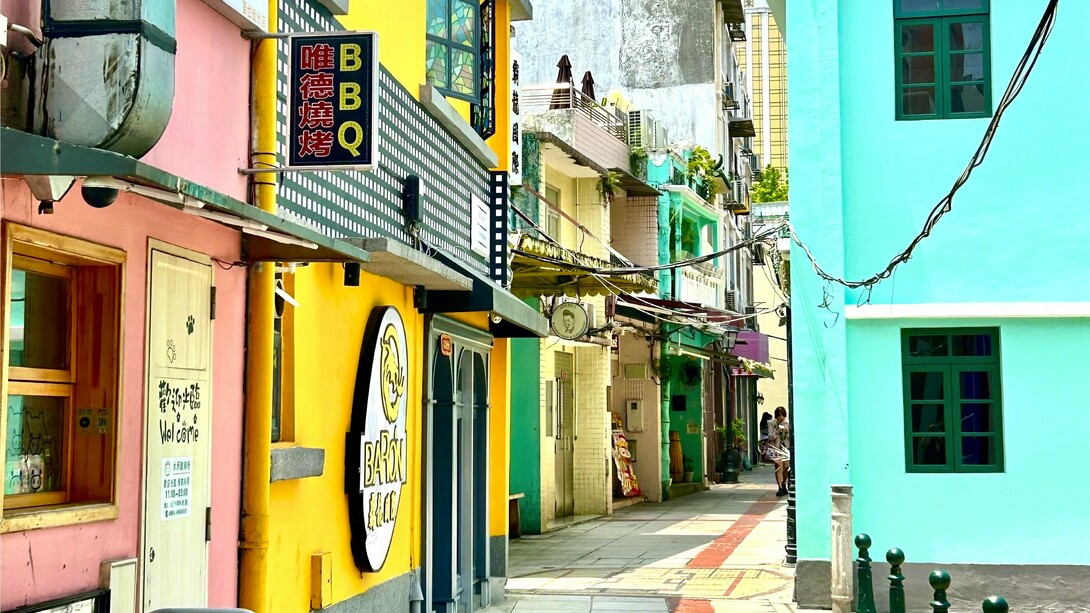
…you still have kept my soul, in my heart lay hidden.
O'er three centuries I've not forgot you…(Wen Yiduo1, Chinese poet)
The interlacing contrasts of language, food, architecture, and culture are omnipresent in the tiny peninsula of Macau, which has embraced both Portuguese and Chinese heritage for over 400 years.
About 2.5 kilometres south of Macau lies the island of Taipa, which first existed as a fishing hamlet in the 13th century and was settled by Hokkien fishermen before the Portuguese annexed the strip in 1847. In the beginning, Taipa was made up of the Greater Taipa and the Lesser Taipa. The two islands merged as one as a result of land reclamation in the 1920s. The ambitious project extended beyond Taipa to Coloane, combined with the bustling Cotai area.
Chinese inhabitants occupied Taipa during the Southern Song Dynasty (1127–1279). Then, in 1847, Portuguese military officer and politician João Maria Ferreira do Amaral, who later became governor of Macau, called for the annexation of Taipa. The island, together with the rest of the Macau territory, was handed over to China in 1999, ending the Portuguese governance. However, remnants of this vibrant history scatter profusely among the churches, ruins, European architecture, Portuguese cuisine, and signage—a spirited union of the East and West.
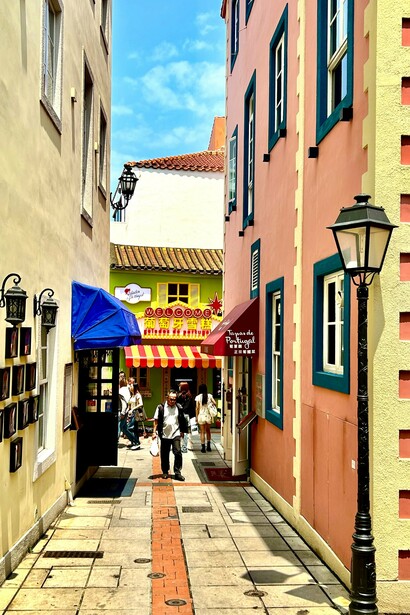
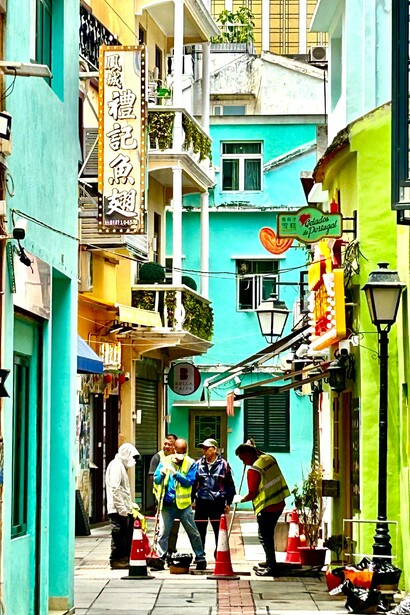
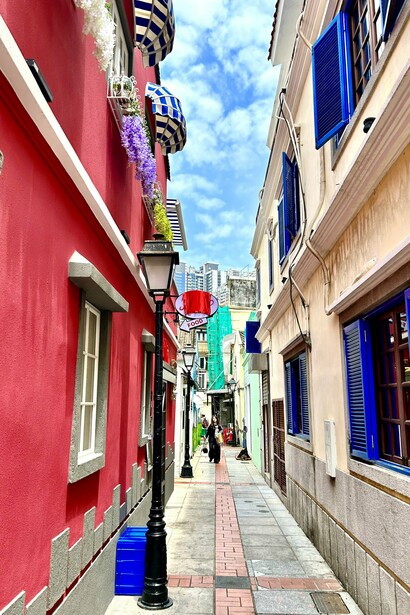
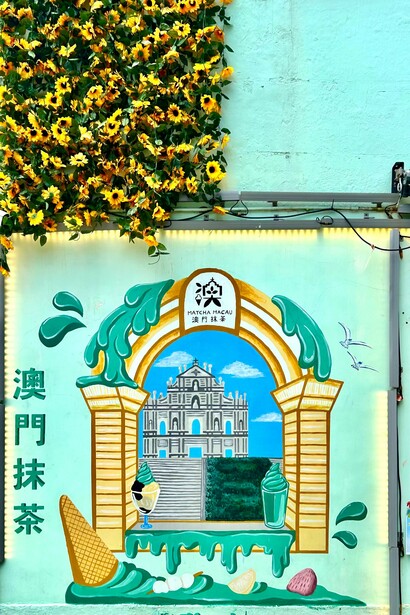
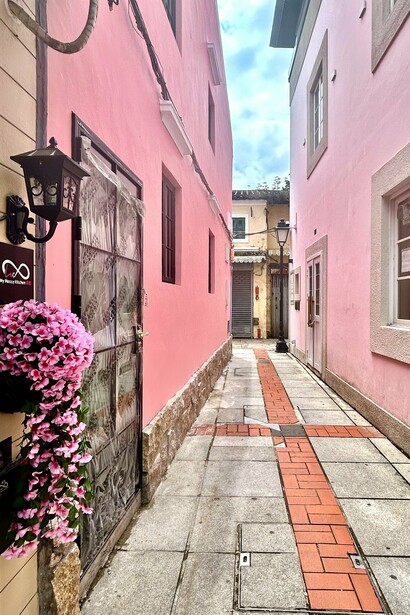
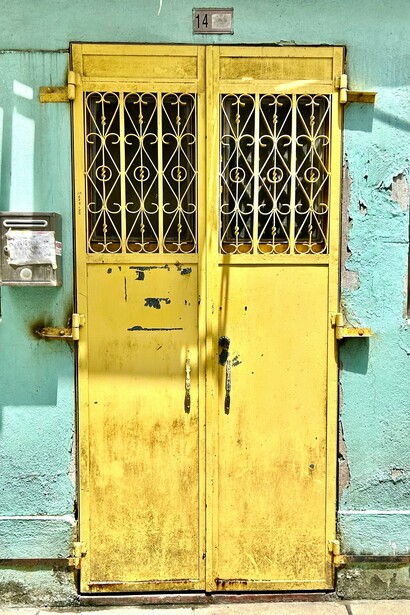
With the construction of the first Macau-Taipa bridge in 1974, today, visitors can cross to this colourful neighbourhood, surrounded by narrow, cobblestone and traditionally paved alleys and antique street lamps, reminiscent of Portuguese towns. Shops, cafés, and restaurants are painted in pastel hues and bright mural art, alluring passersby to stop at each spot and admire the prismatic scenes.
At the heart of Taipa is the animated Taipa Village. The winding lanes lead to Chinese temples, art galleries, souvenir shops, cool cafés and food stalls, and Portuguese and Macanese restaurants. The zone has become quite popular among the young to swing by, especially on weekends.
Not to be missed is the Taipa Houses Museum, consisting of five houses erected in 1921. These served as residences for Macanese families of civil servants during the period and were later restored as a museum from the 1980s to 2016. Presently, the Macanese Living Museum, Exhibitions Gallery, Creative Casa, Nostalgic House, and House for Receptions are located on these grounds.
The Macanese Living Museum represents the Macanese lifestyle, which is a blend of Portuguese, Chinese, Malay, and Filipino influences. The charming mint green exterior, designed in neoclassical style, is mirrored in the interior, rich in period-style wooden furniture, including silk-upholstered chairs, marble tops, decorative bannisters, and Art Deco floor tiles. Visitors can see family photographs depicting the surrounding scenery of the city back then. Porcelain and luxurious fabrics also suggest strong influences from China, Africa, and India. Some rooms feature religious statues and artefacts linked to the Roman Catholic religion.
In similarly pale green façades with white louvred windows, the Exhibitions Gallery and Nostalgic House launch exhibitions periodically and can also be rented for functions and other purposes related to culture and art. They sit next to a beautifully manicured garden with a small pond, ideal for a pause or promenade.
Creative Casa has been converted into a bookshop and an art gallery. The exhibition space displays and sells artworks by acclaimed local and foreign artists.
Decorated in a more formal setting, the House for Receptions functions as a venue for official banquets, receptions, and other activities. Although not open to the public, the facility is worth exploring, being close to Our Lady of Carmel Church and the Taipa Municipal Garden, bordering a marshland area that separates Taipa from the Cotai strip.
Our Lady of Carmel Church, the sole Catholic Church in Taipa, dates back to 1885. Perched on a hill overlooking Taipa Village, Cotai, and the ocean, its pastel yellow and white façade shines majestically on a clear day. The interior atmosphere is solemn and humble, casting a soft light on sprinkles of Portuguese aesthetics.
Christianity on one side and Taoism on the other, the Pak Tai Temple is also a familiar landmark in Taipa. Built in 1844, the sanctuary is dedicated to the waning of natural disasters, such as floods and fires. Simultaneously, it honours the gods of fire, golden flowers, war and health, and carpenters. Pak Tai is also the Taoist God of the Sea and therefore holds an auspicious significance for the peninsula that has depended substantially on the fishing industry. The typical Chinese temple architecture is embellished in red, with traditional roof ornaments and intricate carvings and frescoes over the main doorway and interior.
Wandering around the tapered passageways of Taipa prompts an exhilarating feeling as you catch glimpses of youngsters and families strolling with a gelato in their hands, taking photographs before the rainbow-splashed buildings, lining up outside food stands selling pork chop buns, curry fish balls, crispy almond cakes, or warm egg tarts, or simply passing time at the central plaza. Pulsating with energy, the island is perhaps the best part of a Macau adventure.