English
 Español
 Français
 Deutsch
 Italiano
 Português
There are trips we remember fondly, if vaguely. And some journeys continue to live within us long after we have returned.
The difference can be subtle at first. Both may be beautiful. Both may bring comforts. Both may be expensive, carefully planned, and long anticipated. But with time, one fades into a pleasant album of images, while the other continues to deepen us — acquiring new meaning, new resonance, and perhaps even fresh relevance as the years pass.
What accounts for this difference?
In an era of copious choices and seamless booking platforms, it is easier than ever to travel. Yet ease does not guarantee depth. Convenience does not guarantee significance. And movement, however far, does not guarantee personal expansion.
Journeys that change us for the future, while making us feel alive during the present
The journeys that stay with us tend to share certain qualities. They tend not to be merely consumed; rather, they fuel our continuous growth while often simultaneously being worth living for in their own right. They ask something of us. They require attention.
Frequently, such journeys introduce contrast — between our assumptions and another culture’s rhythms, between our pace and a slower one, between our standards and those shaped by centuries of tradition. A city visited for its landmarks may entertain. A city experienced through its craftsmen, historians, or neighborhood rhythms begins to reveal its inner life. The difference is not access but immersion. To stand in a cathedral is one thing – to understand the worldview that built it is another. To taste a region’s cuisine is delightful – to grasp the lineage and labor behind it transforms the experience into something profound. The most meaningful travel is rarely frantic. It does not attempt to “cover” a destination as though it were a series of checkpoints. It lingers. It returns. It allows conversation to unfold. It makes room for stillness. In doing so, it creates conditions for memory to take root.
But there is another element that distinguishes enduring journeys: effort.
A sunrise glimpsed from a hotel balcony is lovely. A sunrise reached after a demanding climb carries a different weight. Effort dignifies beauty. It binds experience to the body and anchors memory more deeply in the mind.
We often speak of travel as rest, and rest is essential. Yet restoration is not synonymous with passivity. The most replenishing experiences frequently include a measure of stretching ourselves: a new language navigated imperfectly, a trail walked longer than planned, a cultural practice encountered without full fluency. These mild dislocations remind us that we are alive, responsive and adaptive. They restore not only energy, but vitality.
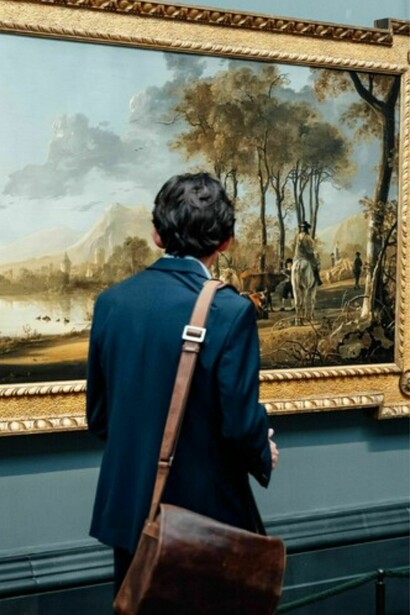
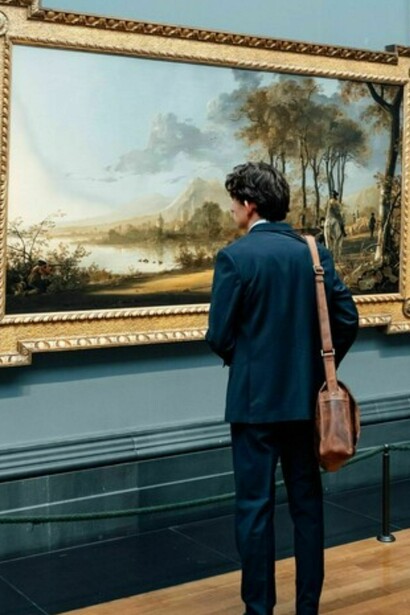
There is also the matter of scale. Travel refines our sense of proportion. Standing before a desert horizon or a Renaissance fresco reminds us that our personal concerns, however pressing, exist within a larger human and global story. This widening of scale can be quietly transformative. It does not erase responsibility, but it often does contextualize it.
Some journeys endure because they refine our taste. Exposure to craftsmanship of the highest order — whether in architecture, cuisine, textiles, or music — subtly elevates our internal standards. We return home, noticing more. We notice when care has been taken, whereas before we often overlooked it. We notice a lack of quality, and we can no longer tolerate it. Travel, in this sense, becomes education — not in facts, but in discernment.
And then there are the moments that defy explanation — the afternoon light slanting through a quiet courtyard, the unexpected kindness of a stranger, the realization that time has slowed enough for you to feel fully present. These moments need no justification. They are valuable because they are lived completely.
To travel with intention
The finest journeys, perhaps, hold a quiet paradox: they are fully worthwhile in the moment, and yet they continue to unfold long afterward. A conversation heard abroad resurfaces months later when making a difficult decision. A standard of beauty encountered in another country influences what one chooses to surround oneself with at home. A sense of proportion gained at the edge of a vast landscape softens a previously rigid viewpoint.
It is tempting to believe that depth will arise spontaneously wherever we land. Sometimes it does. But more often, enduring travel results from intention: thoughtful pacing, meaningful encounters, trusted guides, and a willingness to trade breadth for depth. It requires discernment — about where to linger, when to rest, when to challenge oneself, and which experiences deserve proximity rather than mere observation. To invest significant money, time, and planning into a journey is to acknowledge its potential importance. The greater question is whether that investment will yield something that matters and/or matures over time. Will the experience remain at the level of pleasant recollection? Or will it be something that reshapes our perception, refines our values, and widens our sense of possibility?