English
 Español
 Français
 Deutsch
 Italiano
 Português
Food has always travelled with people. Whenever individuals or communities move across borders for trade, work, education, or safety, they bring more than their belongings. They carry recipes, cooking techniques, ingredients, and traditions that often become part of the places where they settle. Over time, these culinary exchanges reshape local food cultures, creating dishes that reflect a blend of influences rather than a single origin. Modern cuisine is the result of centuries of migration, adaptation, and cultural exchange.
Migration has influenced food throughout history. Ancient trade routes, including the Silk Road, connected Asia, Europe, Africa, and the Middle East, allowing spices, grains, tea, and other ingredients to spread across continents. Merchants and travellers introduced unfamiliar foods to new regions, where local cooks adapted them using available ingredients and regional cooking methods. These exchanges laid the foundation for many of the cuisines that are now considered traditional.
One of the greatest turning points in food history came during the Age of Exploration. The movement of crops between the Americas and the rest of the world, known as the Columbian Exchange, transformed global diets. Tomatoes, potatoes, chilli peppers, maize, and cacao spread from the Americas to Europe, Asia, and Africa, while wheat, onions, citrus fruits, and livestock travelled in the opposite direction. Today, it is almost impossible to imagine Italian cuisine without tomatoes or Indian cuisine without chilli peppers, even though both ingredients arrived there only a few centuries ago.
Immigrant communities have also played a major role in shaping national cuisines. When people settle in a new country, they often recreate familiar meals using ingredients that are locally available. As recipes evolve to suit new environments and local tastes, entirely new versions of traditional dishes emerge.
Chinese cuisine provides a clear example of this process. Chinese immigrants established restaurants in countries around the world, adapting recipes to appeal to local customers. Many popular dishes served in Western Chinese restaurants differ from those commonly found in China, yet they still preserve essential cooking techniques and flavours. These adaptations show how migration can introduce a cuisine to a wider audience while allowing it to evolve naturally.
Italian immigrants had a similar influence, particularly in North and South America. During the late nineteenth and early twentieth centuries, millions of Italians brought their regional cooking traditions with them. Pizza and pasta became staples far beyond Italy, evolving into countless local variations. In the United States, for example, pizza developed into styles such as New York thin crust and Chicago deep dish, demonstrating how familiar recipes can be transformed while maintaining their cultural roots.
Mexican cuisine has also expanded through migration. As Mexican communities settled across North America, they introduced dishes such as tacos, tamales, enchiladas, and pozole to new audiences. Local ingredients and regional preferences led to the creation of Tex-Mex cuisine, blending Mexican traditions with American influences. Although some of these dishes differ from their traditional counterparts, they represent the creativity that often emerges when cultures meet.
Migration has also spread spices, cooking methods, and food traditions across continents. Indian communities have introduced aromatic curries, flatbreads, and spice blends to countries throughout Europe, Africa, and the Middle East. At the same time, Indian cuisine itself reflects centuries of cultural exchange, incorporating influences from Persian, Portuguese, Central Asian, and British cooking. Many well-known dishes are the result of these layered historical connections.
One of the most visible outcomes of migration today is fusion cuisine. Instead of following the traditions of a single culture, fusion cooking intentionally combines ingredients, flavours, and techniques from different culinary backgrounds. Dishes such as Korean tacos, sushi burritos, and butter chicken pizza illustrate how chefs experiment with diverse influences to create something entirely new. While opinions about fusion cuisine differ, it reflects the increasingly connected world in which people and cultures interact every day.
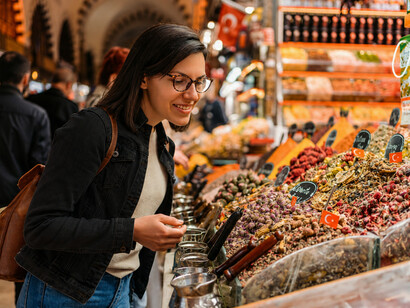
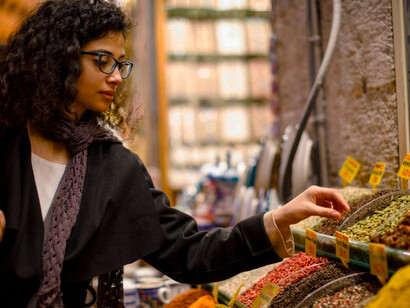
Restaurants and local food markets also serve as important spaces for cultural exchange. In many cities, neighbourhoods established by immigrant communities become destinations where residents and visitors can experience authentic dishes alongside modern interpretations. These businesses preserve traditional recipes while encouraging people to explore unfamiliar cuisines. Foods that were once considered exotic often become everyday favourites as they gain popularity with wider audiences.
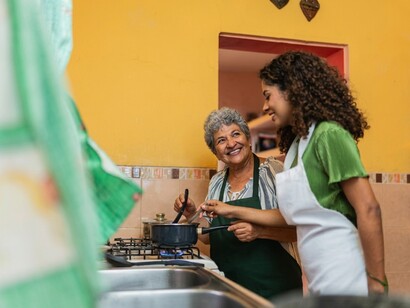
Migration does more than introduce new flavours; it also helps preserve cultural identity. Families frequently pass recipes from one generation to the next, ensuring that traditions survive even after relocating to another country. Preparing familiar meals for holidays, celebrations, and family gatherings strengthens cultural connections while allowing traditions to evolve through new ingredients and local influences. In this way, food becomes both a link to the past and a reflection of the present.
In recent decades, technology has accelerated the global exchange of food culture. Social media, cooking channels, food blogs, and online recipe platforms allow people to discover recipes from almost anywhere in the world. Immigrant chefs now have opportunities to share not only their cooking but also the personal stories behind their dishes. These platforms encourage greater appreciation for cultural diversity and inspire home cooks to experiment with flavours from different traditions.
At the same time, the growing popularity of international cuisine has sparked discussions about cultural appreciation and cultural appropriation. Many chefs and food historians emphasise the importance of respecting the origins of traditional dishes and recognising the communities that created them. Understanding the history behind a recipe helps ensure that culinary innovation celebrates cultural heritage rather than overlooking it.
The story of modern cuisine is ultimately the story of human movement. Every migration has carried ingredients, traditions, and cooking knowledge across borders, enriching local food cultures in the process. Many of today's most beloved dishes represent generations of adaptation, resilience, and creativity shaped by people from different backgrounds. Rather than belonging to a single culture, modern cuisine reflects the shared experiences of communities that have exchanged ideas through centuries of migration.
As globalisation continues to connect people from around the world, cuisine will keep evolving. New ingredients, techniques, and traditions will blend with existing food cultures, creating dishes that future generations may one day consider classics. Migration has always been one of the driving forces behind culinary innovation, reminding us that every meal tells a story of travel, cultural exchange, and the universal human desire to share food.